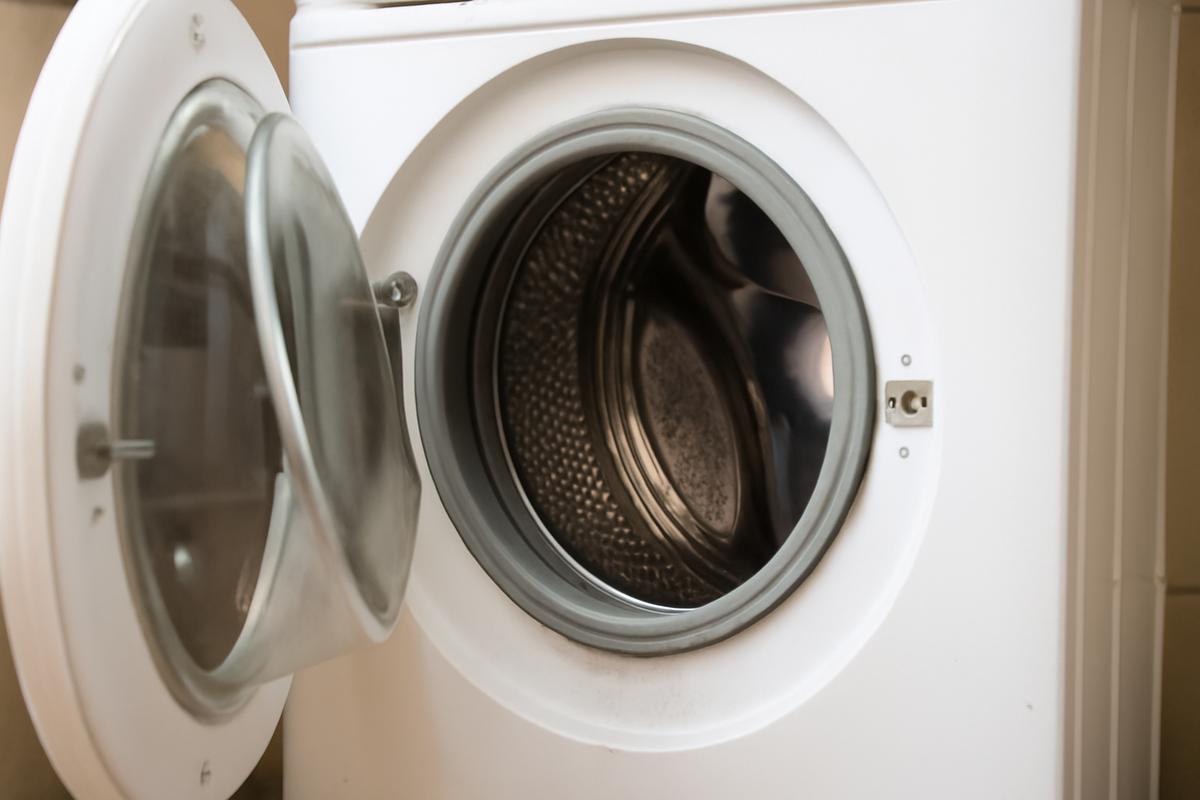
The machine hummed in the quiet of the evening, the low familiar thrum you’ve heard a thousand times. A halo of warm air rose from the laundry room, tinged with that pale, reassuring scent the detergent bottle promised—“Fresh Meadow,” “Ocean Mist,” something gentle and clean-sounding. You opened the door, tugged the clothes free, and pressed your face into the warm cotton. It smelled fine. Better than fine, really. No sourness, no harsh chemical stench, just a light floral trace. You tossed the stack into a basket and walked away with the easy certainty that the ritual had worked again: dirty things went in, clean things came out.
But what if that smell, the one that whispers, “All good here,” is only telling you half the story?
The Illusion of Clean: What Scent Hides from You
We’re wired to trust our noses. The faint sharpness of smoke sends us searching for flame; the bright snap of citrus tells us a surface has been wiped down; the thick musk of a damp towel forgotten in the corner is accusation enough. So when your laundry smells okay—maybe even lovely—it’s natural to assume it’s actually clean.
The trouble is, “smelling clean” and “being clean” are not the same thing at all.
Most modern detergents and fabric softeners are loaded with fragrance molecules engineered to cling. They’re like invisible sequins stitched into the fibers of your clothes, refusing to let go. They survive the wash. They survive the rinse. They survive the drying cycle, still glowing quietly on your favorite t-shirt, weeks after they first wrapped themselves around it.
At the same time, the microscopic world in your washing machine—the one you never see—can be thriving. Bacteria tucked deep into the weave of a towel. Fungal spores hiding in the rubber gasket of your front-loader. A biofilm—a thin, sticky layer of microorganisms and their byproducts—growing beneath that graceful swirl of the drum, feeding on leftover detergent, body oils, and tiny particles of skin.
The scent says, “Clean.” The biology might say something else entirely.
The Quiet Place Where Dirt Hides
Take a shirt that’s just finished a cycle. It smells faintly of lavender, or rain, or some imaginary glacier. That does not mean every microbe is gone. It does not mean every trace of sweat has actually been lifted away from the fibers. What it means, very often, is that strong, persistent fragrance is masking smells that would otherwise warn you something was off.
Clothing and towels don’t just get “dirty” in the cartoonish ways—mud streaks, coffee stains, grass-green knees. They absorb breath, sweat, oils from your skin, pollution from outside, and the damp air of bathrooms or basements. These build up gradually, layer by invisible layer, especially in fabric that doesn’t dry quickly or thoroughly.
Yet when you pull those fabrics from the machine, the fragrance notes are doing the speaking. It’s like turning up the radio so you don’t hear the strange knocking in your car’s engine. The problem is still there. You’ve just covered it in noise.
Inside the Drum: A Small Wet World of Its Own
The inside of a washing machine is a strange landscape—part metal cavern, part warm lagoon. It’s wet. It’s humid. And it’s often dark. That combination might be catnip to something you can’t see.
Picture the rubber seal around a front-loading washer door. If you peel it back just a little, you might see a faint slickness, a line of dark residue, maybe some specks of lint clinging to a slimy film. That’s biofilm: a community structure made of bacteria, fungi, and the glue-like substances they produce to anchor themselves to surfaces.
Biofilms are very good at surviving. They don’t especially care if you pour in more detergent or softener. In fact, they like that. Detergents contain surfactants and other compounds that can become food for microbes once diluted and broken down. Body oils, shed skin cells, bits of hair, and soil particles join the feast.
Cold and short wash cycles—those “eco” settings we choose trying to save time and energy—often don’t reach temperatures high enough or run long enough to fully disrupt these biofilms. Instead, the machine’s insides become something closer to a wetland: flushed regularly, never fully drained, constantly bathed in nutrients.
The Load that Never Really Leaves
Think of every wash as a negotiation. You send in water, detergent, motion, and time. The dirt and sweat and oils and microbes on your clothes agree to leave—mostly. But not all. Some are redistributed. Some linger. Some slip into folds of rubber or plastic, wedging themselves into crevices you’ll never be able to see without taking the machine apart.
Over weeks and months, these leftovers accumulate in places the drum passes close to but can’t quite scrub clean. That faint, swampy, or sour note you sometimes catch when you open the washer door? That’s the biofilm’s way of raising its hand.
Now put a heavily fragranced detergent into this system. Your clothes emerge smelling like “Fresh Alpine Water.” Your mind rests. The emotional transaction is complete. But on a microbial level, some of that “load” never left. It simply moved house.
The Myth of the Perfect Detergent
We are sold a heroic story about detergent. Look at any advertisement: a bright swirl of liquid detergent rushes in to surround a stain, attacking it ruthlessly. There’s a moral certainty to the imagery—this is the product that will rescue you from mess, odor, embarrassment. Dirt becomes a villain. Scent becomes a victory flag.
Real life is murkier.
Detergent doesn’t disinfect. It doesn’t guarantee the death of bacteria or viruses or fungi. Its main work is physical and chemical: it loosens soil and oils and helps suspend them in water so they can be rinsed away. That’s it. That’s already quite a job.
But if you:
- Use too much detergent
- Use short, cold cycles for everything
- Overload the drum regularly
- Constantly add fabric softener and scent boosters
…you’re actually making the situation inside your machine worse, not better.
Too much detergent leaves residue—on clothes, in hoses, under the drum. Softener leaves a waxy, hydrophobic coating on textiles that makes them feel soft but also traps odors and decreases absorbency, especially in towels and athletic wear. The more residue, the more food for microbes. The more food, the more microbial growth.
When Clean Becomes a Costume
At some point, the role of detergent shifts quietly. Instead of being a tool to help remove what doesn’t belong, it becomes part of a costume your laundry puts on—an overlay of “freshness” that disguises lingering body odor, mild mildew, and old sweat that never actually washed out fully.
You notice it, perhaps, when your workout clothes smell fine out of the drawer but the moment you start to sweat, they release a stale, sharp odor, almost like they’ve been reactivated. That’s because sweat from your skin is waking up the trapped compounds that detergents and perfumes never removed—just masked. Your nose is finally getting the unedited version, and it’s not pleased.
“Smells okay” has always been a low bar for clean. We just forgot that in the haze of synthetic fragrance.
The Little Clues Your Machine Has Been Trying to Give You
If your washing machine could talk, it might sound exasperated. It’s been dropping hints for months, maybe years. Most of us just learned not to hear them.
Those clues are small, easy to wave away:
- A shirt smells fine when dry, but develops a sour, almost onion-like tang the moment your skin warms it up.
- Towels feel a bit musty after a single use, even though they just came from the wash.
- The inside of the washing machine door smells slightly swampy if it’s been closed for a day.
- Your dark clothes sometimes smell “wet” even after they’re fully dry.
- You notice a ring of grayish grime on the rubber seal or detergent drawer.
None of these mean your machine is an unfixable swamp. They mean you’re living at that fuzzy edge where things are almost clean, smell sort of clean, but aren’t actually reset between uses. They’re quietly accumulating.
There’s a disconnect: your senses are telling one story, the slow chemistry and biology inside the washer is telling another.
A Quick Glance at What’s Really Going On
Think of your laundry in layers: scent, residue, and reality. The table below breaks this down simply.
| What You Notice | What It Feels Like | What Might Be True |
|---|---|---|
| Laundry smells “fresh” right from the drum | Reassuring, like a job well done | Fragrance is strong; soils and microbes may still be present in fibers |
| Light musty whiff inside the empty machine | Easy to ignore, seems minor | Biofilm and residue are building in seals, drawer, and drum |
| Clothes smell bad only when you sweat | Embarrassing, confusing | Old odor compounds and bacteria reactivated by heat and moisture |
| Towels feel “funky” quickly | Gross, disappointing | Softener and residue trapping moisture and odors in the fibers |
How to Actually Clean What Already “Smells Clean”
If there’s something quietly unsettling about all this, there’s also something hopeful: you’re not stuck with a haunted washing machine. You can reset the landscape inside it. Not with one magical product, but by changing the way you relate to the machine in the corner of the laundry room.
Think of it less as an appliance and more as a small ecosystem whose balance you can influence.
Give the Machine Its Own “Wash Day”
Most of us wash clothes constantly and the washer itself almost never. But the machine needs its own cleaning cycle as much as your stovetop or shower does. It just hides it better.
Every month or so, run the hottest, longest cycle your machine allows with an empty drum. No clothes. No softener. If your washer has a “tub clean” setting, use it. Add a washing-machine cleaner or, if the manufacturer permits, a cup of plain white vinegar or a specific cleaning agent designed for washers. This hot, generous bath is about heat and flush, breaking up the quiet film that’s been building.
Then, get closer. Wipe the rubber gasket around the door with a damp cloth, pulling it gently aside to find the hidden folds where sludge hides. Remove and rinse the detergent drawer. It might feel strange at first, cleaning the thing that supposedly cleans for you. But once you see what comes off on the cloth—gray streaks, black flecks of mold—you realize how much has been quietly living in the shadows.
Listening Differently to the Smell of “Fresh”
There’s a moment, somewhere in this process, when your relationship with “clean” shifts. Maybe it’s the first time you pull a towel from the laundry after changing these habits and notice it doesn’t smell like perfume at all. It smells like almost…nothing. Just fabric, soft and faintly sun-warm, if you’ve dried it outside or in a well-ventilated space.
At first, that absence of scent might feel wrong, like something is missing. For years, many of us have been taught to equate “heavily fragranced” with “properly clean.” The silence of unscented cloth can be unnerving.
But that near-neutral smell is closer to what clean actually is: not a chorus of overlaid aromas, but the quiet of things returned to their starting point.
That doesn’t mean you need to abandon nice smells forever. You might still choose a mild fragrance you enjoy. The difference is that you’ll know: scent is an accent now, not the main character. It’s no longer the mask hiding what was never really washed away.
In this new arrangement, your nose becomes trustworthy again. If a shirt smells off, you believe it. You don’t explain it away because the detergent claimed otherwise. You begin to rely not on the promises on a bottle, but on what your senses reveal when they’re not being overwhelmed.
A Subtler Kind of Clean
Real clean is a quiet thing. It doesn’t shout from your laundry basket. It doesn’t fill the hallway with chemically constructed visions of alpine forests and invisible waves. It’s the absence of resentment in your towels. The calm neutrality of your favorite t-shirt after another long day. The lack of that sharp, heated reek when you pull off your workout gear.
When your washing machine still smells clean but isn’t, it’s often because we’ve been approaching cleanliness like theater—lights, scent, performance—rather than the small, patient, physical process it truly is. Water, motion, the right amount of soap, enough time and heat, and simple, regular care for the machine that does it all for you.
Once you start tending to that, the story changes. The laundry room becomes less of a stage and more of a workshop. Your washing machine stops pretending and starts, quietly, doing the real work again.
FAQ
Why do my clothes smell fine out of the wash but bad when I sweat?
Because odor-causing compounds and microbes can remain trapped in the fibers even when a strong fragrance covers them. When you sweat or warm up the fabric, those compounds are reactivated and become noticeable again.
Is a strong laundry fragrance a sign of better cleaning?
No. Fragrance only indicates the presence of perfume molecules, not the removal of dirt or microbes. Clothes can smell strongly “fresh” and still carry residues, bacteria, and old sweat.
Do I need special disinfecting detergents for regular laundry?
Not usually. For everyday loads, good mechanical cleaning—enough water, time, proper detergent dosage, and appropriate temperature—is usually sufficient. Disinfecting products are more relevant for illness, heavily soiled items, or specific hygiene needs.
How often should I clean my washing machine?
For most households, once a month is a good baseline. If you do many loads, use lots of cold cycles, or notice odors, you may need to clean it more often.
Is fabric softener really that bad for towels and activewear?
Fabric softener can coat fibers with a waxy film that reduces absorbency and traps odors, especially in towels and synthetic athletic fabrics. Using it sparingly or avoiding it for these items can keep them fresher and more effective.

Hello, I’m Mathew, and I write articles about useful Home Tricks: simple solutions, saving time and useful for every day.