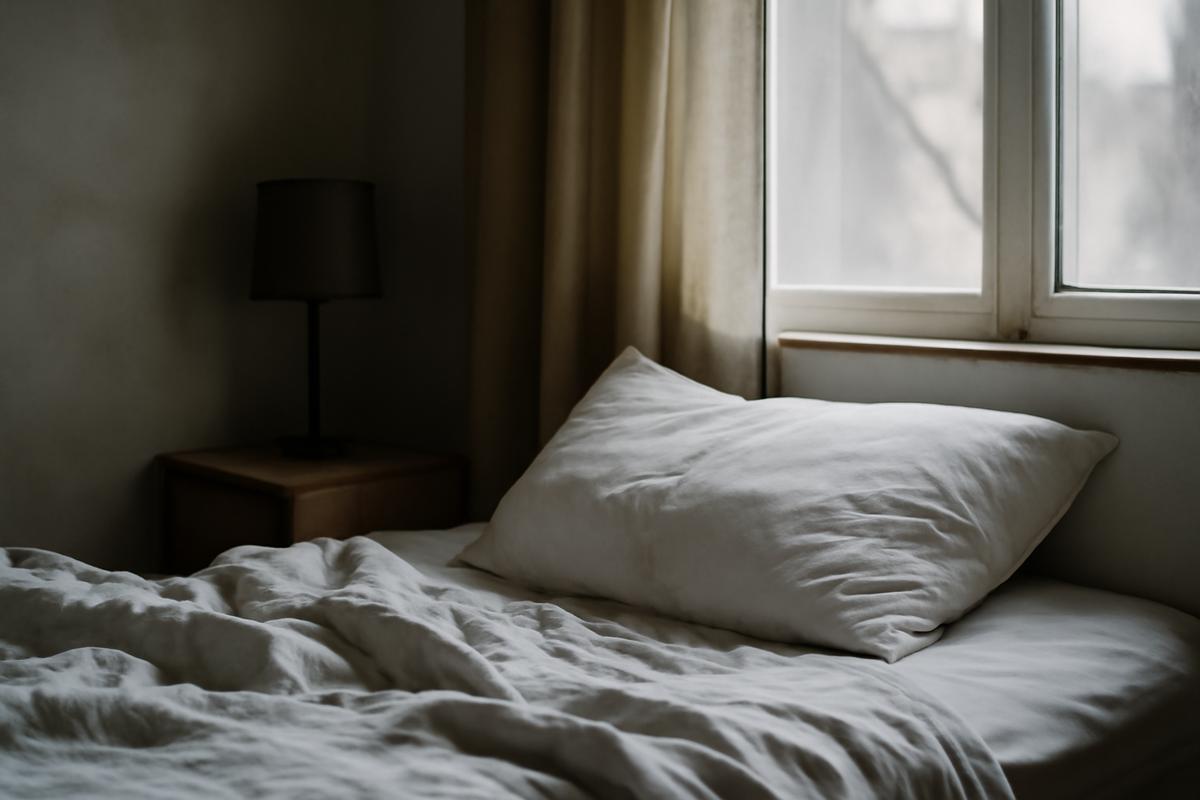
The afternoon light is kind and golden, slanting through your freshly wiped windows. The bed is made, the floor is clear, every surface wears that just-cleaned sheen. You step back, admire your work, breathe in deeply—and there it is. Not a sharp, obvious stink. Just that vague, heavy, tired smell. Stale. Old. Like yesterday and the day before somehow got trapped in your walls and never quite left.
The Quiet Science of a Stale Room
It’s a strange betrayal, isn’t it? You’ve scrubbed, vacuumed, maybe even lit a candle for good measure, and still your room smells like it’s been holding its breath for a week. The mystery isn’t just about “dirt” or “cleanliness”; it’s about the invisible traffic of air, moisture, and life itself.
Every room is a tiny ecosystem. It breathes with you, sweats with you, and slowly collects the traces of everything that passes through—your skin cells, your clothes, last night’s dinner, the rain-damp jacket on the chair. Over time, these traces layer themselves into an invisible atmosphere. Cleaning the visible surfaces doesn’t always reset that atmosphere. Sometimes, it barely disturbs it.
What you’re smelling when you say “stale” is usually a cocktail of low-level odors: human scent, dust, lingering moisture, old fabric, and materials quietly off-gassing—each one too subtle to name on its own, but together forming a fog of “not quite fresh.” A room doesn’t have to smell bad to feel wrong. It just has to smell like time standing still.
The Air That Never Really Leaves
Stand at your door for a moment, as if your room is someone else’s. Breathe in. Does the air feel thick, like it’s sitting instead of moving? Staleness often comes down to one simple thing: air that doesn’t get a chance to go anywhere.
We seal our homes tighter than ever—double-glazed windows, sturdy doors, weatherstripping. Great for energy bills, terrible for fresh air. When you clean, you’re wiping away what you can see, but if you don’t open a window or allow some real circulation, all you’ve done is stirred the air around in a closed jar.
You exhale carbon dioxide and moisture. Your breath alone adds humidity to the room, especially while you sleep. Add to that the steam from showers drifting under doors, the damp from drying clothes, or even just the warmth from electronics and radiators. Without proper ventilation, this moist, slightly used air hangs around, coating everything with a barely noticeable film.
Imagine a forest glade after rain: the air moves, dances through the leaves, bringing in new scents and carrying away the old. Now imagine that same forest if the wind stopped for days. The air would thicken with its own breath. Your room, when sealed tight, is doing the same thing.
Hidden Moisture, Hidden Odors
Moisture is the silent accomplice of staleness. It slips into fabrics and corners, under beds and behind dressers, clinging to drywall and carpets. You might not feel it as dampness, but your nose can sense its presence. Moist air tends to trap smells and make them linger. It also invites mold and mildew to quietly settle in.
Even if your room looks pristine, that faint musty tone—like an old book or an unused guestroom—can be the whisper of microscopic life enjoying all that hidden moisture. You can scrub your shelves until they shine, but if your humidity is high and the air barely moves, the room will age faster than you do.
Fabric Memories: How Textiles Trap Yesterday
Your room is soft in more ways than one. Curtains that sway, cushions that cradle, rugs that soften each step—these fabrics hold not just comfort, but stories. And some of those stories are olfactory.
Textiles are natural odor sponges. They soak up smells slowly and release them slowly, the way wood absorbs smoke from a campfire and breathes it out weeks later. If your room smells stale, look less at the hard surfaces and more at what’s soft and quiet:
- The heavy curtains that haven’t seen the washing machine in a year.
- The rug that greets every step, collecting dust, pet hair, and the faint, oily notes of human skin.
- The pile of clothes on the chair—even if they aren’t “dirty enough” to wash, they’re not exactly fresh.
- The bed itself: mattress, pillows, duvet, all slowly absorbing nights of sleep and sweat and skin.
These are the room’s memory banks. You can dust and disinfect the furniture, but if the fabrics hold onto last month’s weather and last season’s late-night snacks, your nose will know.
The Subtle Weight of Your Everyday Life
Think about your daily rituals: a spritz of perfume, a cup of coffee, a rainy walk that ends with your damp coat flung over the chair. Maybe you burn incense one evening, or make a quick snack and eat it at your desk. None of these things smell “bad” on their own. But they layer.
The human nose adapts quickly. You stop noticing your own baseline scent, the same way you stop hearing the hum of your fridge. But leave the room for a few hours, come back, and suddenly it hits you: that odd, tired smell that doesn’t match the sparkling surfaces.
This is why sometimes, right after cleaning, the room can smell even more noticeable. You’ve disturbed everything—shaken dust loose, moved fabrics around, stirred up the air—without yet giving it an exit. Like beating a rug indoors instead of outside, you’ve done good work in the wrong atmosphere.
The Invisible Cast: Dust, Off-Gassing, and Tiny Guests
Press your hand along a sunny windowsill. Even if you cleaned a few days ago, there’s probably already a thin veil of dust. Dust is not just “dirt”; it’s a complex mishmash of your living world: dead skin cells, textile fibers, tiny bits of soil, pet dander, and sometimes particles from outside air and indoor materials.
Dust is lightly scented, but in a closed space it brings a slight dullness to the air. It also holds onto other odors like a slow-burning wick—absorbing volatile compounds from cooking, products, and people, releasing them slowly long after the moment has passed.
When the Room Itself Smells
Then there are the things you don’t normally think of as having a smell: the paint on your walls, the glue in your furniture, the foam in your mattress, the cheap wood of that flat-pack bedside table. These materials can off-gas—slowly releasing chemicals into the air, sometimes with a noticeable “new” smell, sometimes just contributing to that dull, close feeling.
If you live in a newer building or recently renovated space, that slightly synthetic tang might still be seeping quietly into your room. Over time, as the stronger scents fade, what’s left can mingle with moisture and dust, turning into something less obvious but more persistent: a flatness that refuses to lift.
And then there’s mold—often invisible, lurking behind furniture or under carpets, especially in older buildings or rooms on the shady side of the house. Not necessarily the dramatic, patchy mold you see in horror stories, but tiny, localized growth where condensation often lands. Its scent is subtle but powerful: a faint, earthy breath that ages the room in an instant.
Why Cleaning Alone Doesn’t Fix the Smell
So you mop, you vacuum, you polish. The room looks like a photograph from a minimalist magazine, but it doesn’t smell like the day after a storm. Why?
Because most cleaning focuses on what we can see: floors, surfaces, clutter. Stale smell, though, is usually rooted in what we can’t see or don’t think about:
- The air itself, which hasn’t been replaced.
- Soft furnishings that quietly hoard scent.
- Microbial life feeding on hidden moisture.
- Materials slowly releasing their own chemical ghosts.
Cleaning products can even complicate things. A heavily fragranced cleaner might briefly mask the staleness with notes of “Ocean Breeze” or “Spring Meadow,” but once that artificial scent fades, the underlying air quality is unchanged—or sometimes worse, if the product adds to the chemical load in the room.
Freshness isn’t just the absence of dirt. It’s the feeling of movement: air passing through, light reaching corners, fibers given a chance to breathe. You can’t scrub air into being new. You have to let it go and invite more in.
A Small Table of Clues: What That Smell Might Be Telling You
| What It Smells Like | Likely Culprit | Where to Look First |
|---|---|---|
| Dull, “used” air, not exactly bad | Poor ventilation, CO₂ build-up | Closed windows, blocked vents, shut doors |
| Slightly musty, like an old book | High humidity, mild mold or mildew | Corners, behind furniture, windowsills, carpets |
| Faint “body” smell, human and warm | Unwashed bedding, pillows, soft furnishings | Bed, cushions, throw blankets, clothing piles |
| Synthetic, “plastic” or chemical | Off-gassing from furniture, mattress, paint | New items, laminated wood, painted walls |
| Lingering food or cooking notes | Odors carried from kitchen, snacking in room | Trash bin, dishes, textiles near doors |
How to Let Your Room Breathe Again
There’s a quiet pleasure in reshaping the air of a room. It’s less about adding products and more about changing habits and rhythms. Think of it as learning how to garden the invisible space you live in.
Start with the Air, Not the Spray
Before lighting a candle or reaching for a room spray, open something. A window, a door, a vent—any path that allows new air to enter and old air to leave. Even in winter, a short, sharp burst of ventilation can do more good than hours of scented masking.
Cross-ventilation is your friend: open two points—like a window and a door—and let the air draw through. You can feel it sometimes, a gentle current moving past your skin, as if the room is exhaling. Do this regularly, even on days you’re not cleaning. Freshness is a habit, not an event.
Tend to the Soft Things
Make a quiet pact with your textiles. Wash your sheets more often than you think you need to; your nose is slow to complain, but your room notices. Strip the bed, fluff the pillows, and let the mattress air out for a while before remaking it. If possible, occasionally lean the mattress against a wall and open a window—let it meet the day.
Vacuum rugs and carpets slowly, really drawing out the dust and fibers that trap old scents. If you can, occasionally take smaller rugs outside, beat them, and let them rest in sunlight. Even curtains benefit from a simple shake with the window open, sending out a ghost of stale air in a soft cloud of dust.
Deal with the “chair of limbo clothes.” Either fold and put away or admit they need washing. That quiet pile is one of the strongest contributors to the feeling of a room that never resets.
Watch the Water
Keep an eye on humidity. If your windows frequently fog, if your walls feel cool and faintly clammy, or if you live in a naturally damp climate, a small dehumidifier can be as transformative as a deep clean. Less moisture means fewer places for mold to whisper itself into being and fewer odors hanging stubbornly in the air.
Drape damp towels in the bathroom instead of over the bedpost. Don’t leave wet gym clothes to “air out” on your floor. If something is wet, it needs either the sun, a breeze, or the dryer—not a quiet corner of a closed room.
Clean Deeper, But Smarter
Shift your cleaning focus from shining to breathing:
- Dust higher and lower than usual: tops of shelves, baseboards, behind the bed frame.
- Vacuum under the bed; the underworld of dust bunnies is a stale smell factory.
- Empty and wipe down your trash bin more often, even if it isn’t full.
- Every so often, pull furniture a little away from the walls to let air circulate.
Instead of drenching your space in strong synthetic fragrances, try going lighter. Mild, unscented or subtly scented cleaners reduce the chemical load that can make a room feel “thick.” If you love fragrance, let it be a gentle top note over genuinely fresh air, not a mask over trapped haze.
The Emotional Weather of a Fresh Room
There’s a reason we equate fresh air with clear thinking. When you change the way a room smells, you change the way it feels—more alive, more open, more present. A stale room tugs quietly at your mood, making everything feel a little slower, a bit heavier. You might not consciously notice the smell, but your body does; it reads the invisible signals and decides whether this is a space to curl up and rest or one to escape.
Imagine walking into your room and smelling nothing in particular—just a kind of lightness, a cool neutrality with a hint of daylight or evening air. Your mind relaxes in that space. It no longer has to filter out the low thrum of old odors, the faint cling of dampness, the ghost of last week’s dinner. The room stops being a container for time that piled up and becomes a place that meets you as you are, right now.
Freshness isn’t expensive, and it isn’t complicated. It’s often as simple as cracking a window more often, washing the things that quietly hold onto you, letting sunlight and motion take their turn caring for your space. A room is never just the four walls you see. It’s the feeling of the air on your skin and the smell you notice—or don’t—the moment you step inside.
So the next time your room smells stale even after you’ve cleaned, don’t take it as failure. Take it as a clue. The space is whispering what it needs: movement, breath, a chance to let go of what it’s been holding for you. In tending to that, you’re not just cleaning a room. You’re tuning the atmosphere of your own small world—one deep, quiet exhale at a time.
FAQ
Why does my room smell stale in the morning most of all?
At night, you usually sleep with the door and windows closed. For hours, you’re breathing out moisture and carbon dioxide into a sealed space. Without fresh air coming in, the atmosphere grows warmer, more humid, and slightly depleted of oxygen. By morning, the air feels tired and heavy—stale—until you open a window or door and let it refresh.
Can a clean room still have mold or mildew causing the smell?
Yes. Mold and mildew often form in hidden, damp spots: behind furniture, under carpets, around windows, or near poorly insulated exterior walls. A room can look spotless while still harboring tiny patches of growth that give off a faint, musty odor. If the smell persists even after cleaning and airing, it’s worth checking for moisture and discoloration in hidden corners.
Are scented candles and sprays a good way to fix stale smells?
They can make a room smell nicer for a while, but they don’t address the cause. If the air is stale, adding strong fragrances just adds another layer to an already crowded atmosphere. Use them sparingly and only after you’ve ventilated the room and dealt with moisture, fabrics, and dust. Think of them as a finishing touch, not the main solution.
How often should I wash bedding and other fabrics to keep my room smelling fresh?
Washing bed sheets every one to two weeks is a good rhythm for most people. Pillowcases may need more frequent washing if you sweat or use hair and skin products at night. Curtains, duvet covers, and throw blankets can be washed less often—every few months—but even a good shake and a few hours near an open window can help between washes.
Will an air purifier solve the stale smell completely?
An air purifier can help by removing particles, dust, and some odors from the air, especially if it has a carbon filter. But it can’t replace fresh outdoor air, reduce humidity on its own, or wash fabrics. It’s a helpful support, not a magic fix. For a room that truly feels renewed, combine purifying with ventilation, moisture control, and regular care of textiles and hidden corners.

Hello, I’m Mathew, and I write articles about useful Home Tricks: simple solutions, saving time and useful for every day.