Why your hands wrinkle faster in winter
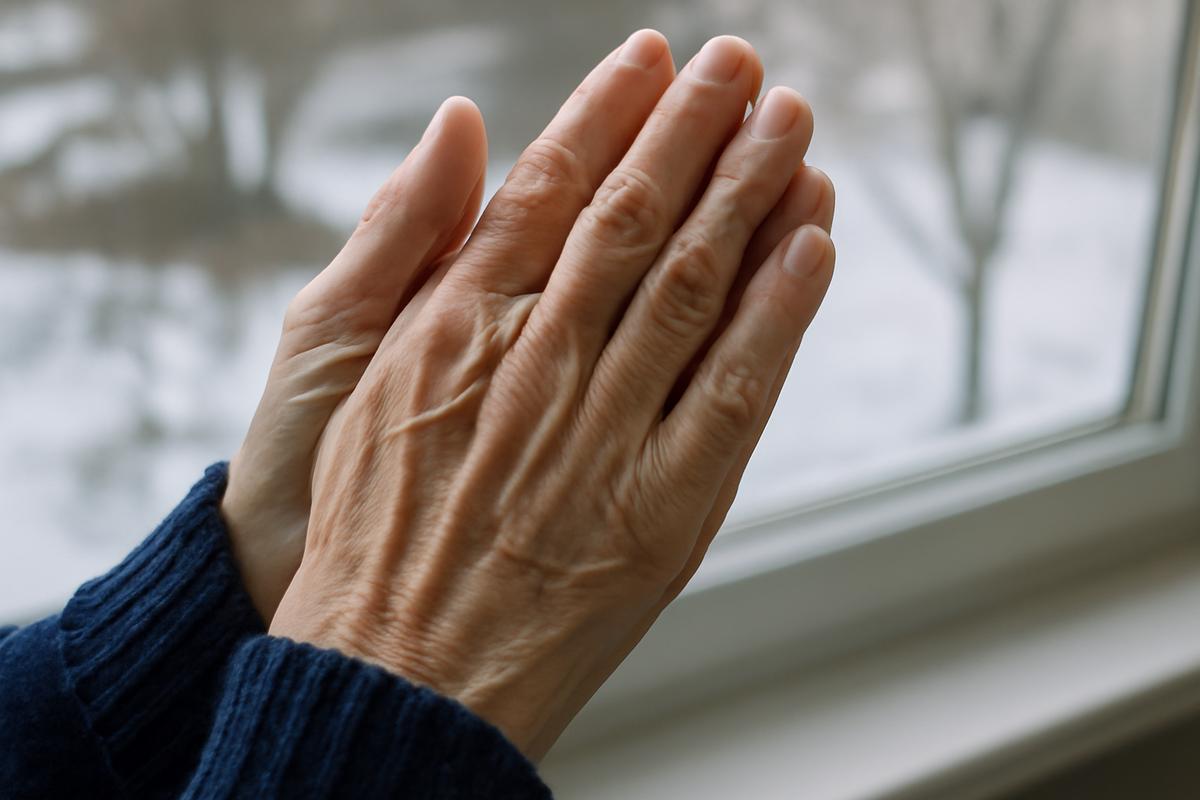
The first thing you notice is not the cold itself, but the sting. You pull off your gloves in the grocery parking lot, fumble for your keys, and there it is: that tightness across your knuckles, the pale, chalky lines tracing along your skin like tiny dried riverbeds. By the time you’re home and standing over the sink, hot water rushing over your fingers, the backs of your hands look older than they did in October. Wrinkled. Thirsty. As if winter has reached out and aged them overnight.
The Secret Landscape Living in Your Skin
Your hands are not just hands. They’re a landscape—hills and valleys of skin, braided with rivers of blood, layered like a tiny, intricate ecosystem. And winter, more than any other season, tests its limits.
If you could zoom in close enough, you’d see your outermost layer of skin—the stratum corneum—like a wall of bricks and mortar. The “bricks” are dead skin cells, flat and tough. The “mortar” is a mix of lipids and natural moisturizing factors that lock in water and keep everything flexible. When this system is working, your hands feel soft, elastic, and smooth.
Now imagine that same wall left out in a cold, dry wind. The mortar crumbles. Small gaps appear. The bricks stop holding together perfectly. Moisture that once stayed tucked inside your skin evaporates into the frigid air. Your hands start losing their quiet, hidden store of water, layer by layer. That’s where wrinkling begins—not as a simple cosmetic annoyance, but as a structural shift in how your skin is built and maintained.
Unlike the skin on your cheeks or forehead, the skin on the backs of your hands is already thinner and more delicate, with fewer oil glands to help seal in moisture. It has less fatty tissue just beneath the surface and is constantly exposed—unzipped from coats, out of mittens, steering wheels and door handles and touchscreen taps. In winter, those same hands are frontline soldiers against the season, unshielded, under-lubricated, and constantly attacked by cold, dry air and sudden temperature swings.
Why Cold Air Makes Your Hands Age in Fast-Forward
The Humidity Trap
Winter air plays a quiet trick on you. It feels fresh, sharp, almost clean. But scientifically, it’s empty. Cold air can’t hold as much moisture as warm air. That means that even if it’s snowing, the actual humidity your skin experiences is often very low—especially once that air is dragged indoors, heated, and cycled through vents and radiators.
At home, your thermostat might say 72°F, but your hands are living in desert conditions. Heated indoor air strips what little moisture is left. Every time you move from the bitter outdoor chill to the dry, warm indoors, your skin is forced to adapt instantly. Blood vessels in your hands constrict in the cold and then dilate in the warmth, a physiological tug-of-war that changes how much blood—and therefore nutrients and water—can reach the surface of your skin.
Over hours and days, this fluctuating environment dehydrates the top layers of skin. Without enough water, the upper layers shrink and pull tighter against each other, exaggerating the lines and folds you already have. The texture feels rough. Fine lines appear deeper. Creases that used to smooth out on their own decide to stay.
Why Hands Get Hit Harder Than the Rest of You
Think about what your hands are doing through the average winter day. They’re exposed every time you take your gloves off to text, pump gas, flip through mail, grab a shopping cart, or hold a coffee cup. They meet icy steering wheels and metal door handles, cold keys and snow-brushed jackets. And if you wash your hands more often in flu season—as you should—they’re getting a double hit: dry air from the environment and harsh surfactants from soaps.
Your palms are better equipped for the fight. They have thicker skin and more structural reinforcement. But the backs of your hands are comparatively fragile, with fewer oil-secreting glands. That means less natural barrier, less self-made moisturizer. Once winter starts pulling water from the surface, your skin doesn’t have much in reserve.
As the skin dries, its ability to move and stretch evenly is compromised. Areas that fold naturally—around the knuckles, across the joints, between fingers—begin to crease more dramatically. Those little wrinkles can appear suddenly, especially after a day spent outdoors in wind or handling cold, dry materials like cardboard, paper, or fabrics.
Water, Wrinkles, and the Winter Paradox
Why Hot Water Feels Good but Makes It Worse
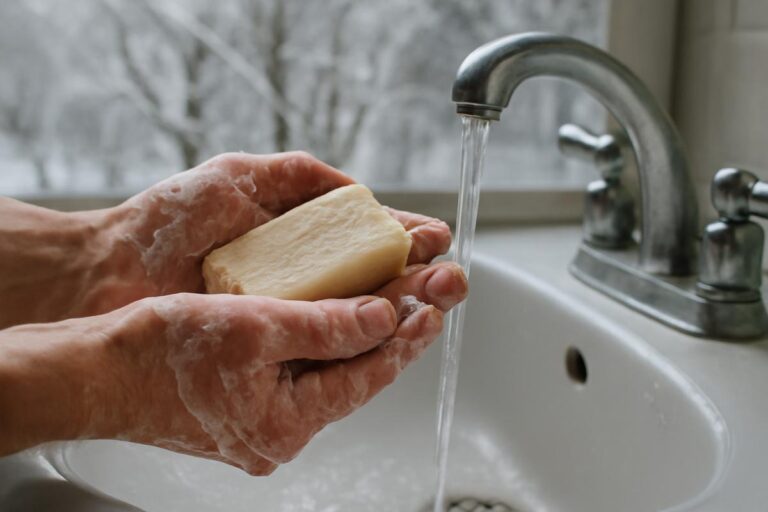
There’s a small ritual that happens in almost every home once temperatures drop: you walk in from the cold, go straight to the sink, and turn the hot water on a little higher than usual. That flooding warmth, numbing and tingling at the same time, is relief. It’s also the start of a subtle problem.
Hot water doesn’t just warm your skin. It dissolves and washes away the lipids—the oily “mortar”—that keep your skin barrier intact. Soap, especially the kind designed to cut through grease, helps strip out those lipids even faster. After washing, the surface of your skin might feel clean and smooth for a few minutes. But underneath, the barrier is weaker and more porous. Water inside your skin can now evaporate more easily, leaving it drier than it was before you washed.
Over multiple washes a day—kitchen, bathroom, office sink—that cumulative barrier damage leaves your hands thirsty and exposed. Wrinkles appear more prominent not just from dehydration, but from the micro-cracks and roughness in the upper skin layers that scatter light differently. Your hands don’t just feel older—they look older.
Why “Wet” Skin Can Look More Wrinkled
There’s another paradox hiding in your bathroom: soak your fingers in water long enough, and they wrinkle too. This is a different kind of wrinkling with a different cause. When you sit in a bath or wash dishes, the skin on your fingers and toes absorbs water and swells. But the layers below don’t swell at the same rate. The surface skin, now slightly puffed, must fold and buckle to fit the same space, creating those familiar “pruney” ridges.
In winter, your skin toggles between these two extremes: water-deprived and chronically dry, or briefly waterlogged from long, hot showers and dishwashing. Both states distort the smooth architecture of your skin. Over time, especially when paired with natural aging and sun exposure from previous years, that on-off assault deepens the look of wrinkles.
Other Hidden Culprits: Age, Sun, and Tiny Cracks
The Ghost of Summers Past
Winter might get the blame, but some of what you see in the mirror is memory—sunburns from summers past, afternoons spent driving with one hand on the wheel, knuckles turned toward the windshield. Hands are one of the most sun-exposed parts of the body, and ultraviolet light breaks down collagen and elastin, the proteins that keep skin firm and springy.
By the time cold weather arrives, your hands may already have subtle structural damage that you don’t fully notice until dry air removes the “cushion” of moisture. In low humidity, the scaffolding shows. Fine lines become more visible. The surface texture starts to mirror the deeper, weathered layers beneath.
Age: The Quiet Change You Can’t Feel Happening
As you age, your skin gradually produces fewer natural moisturizing factors and less sebum (oil). The cell turnover rate slows down; collagen production declines. Blood circulation in the extremities can also become less robust, which further reduces nutrient and water delivery to the skin of your hands.
Winter accelerates what age has started. Think of it as turning up the contrast on a photograph. The basic image is the same, but darks get darker, lights get lighter, and every crease becomes more defined. Even if you’ve taken good care of your skin, cold weather is unforgiving, especially when it hits hands that are already thinning and more fragile.
Micro-Cracks You Can’t See
When your skin becomes dry enough, tiny, almost invisible cracks form in the surface. These micro-fissures don’t always hurt, at least not at first, but they change how your skin feels and looks. They interrupt the smooth continuity of the surface, scattering light and deepening the appearance of texture. Wrinkles seem sharper, more etched.
In this condition, your hands are also more vulnerable to irritants—detergents, cleaning sprays, certain fabrics—which can slip into those micro-cracks and trigger inflammation. Redness, rough patches, and flaking can follow, all of which visually age the skin further. What began as simple dryness has turned into a small but meaningful form of skin damage.
How Winter Wrinkling Really Works: A Simple Breakdown
If you could translate all this science into one simple snapshot, it might look like this:
| What’s Happening | Winter’s Role | How It Shows on Your Hands |
|---|---|---|
| Low humidity in the air | Cold air holds less moisture; heating dries it further | Skin loses water, looks dull and lined |
| Weakened skin barrier | Hot showers, soaps, and wind strip skin oils | Rough texture, increased fine wrinkles |
| Reduced circulation at the surface | Cold constricts blood vessels in fingers and hands | Pale tone, slower repair, more visible aging |
| Existing age and sun damage | Dryness reveals underlying structural changes | Deeper-set lines, crepey appearance |
| Irritation and micro-cracks | Repeated washing and contact with irritants | Flakes, redness, and “older” looking skin |
Turning the Story Around: Teaching Your Hands to Weather Winter
Think Like a Gardener, Not a Repair Crew
Caring for your hands in winter is a lot like tending a small, stubborn garden in harsh weather. The goal is not to fix damage after it appears but to keep the soil—your skin barrier—rich and stable so it can handle whatever the season throws at it.
That starts with gentler cleansing. Lukewarm water instead of scalding hot. Mild, fragrance-free soaps or cleansers that clean without stripping. Shorter shower times when possible. Every time you wash your hands, you are briefly dismantling part of that brick-and-mortar wall; your job is to rebuild it immediately afterward.
The Two-Step Moisture Ritual
Winter hand care works best in two steps:
Step 1: Hydrate – While your hands are still slightly damp from washing, apply a lotion or cream that contains humectants—ingredients like glycerin or hyaluronic acid that pull water into the skin. These help restock the internal water supply that winter air keeps stealing.
Step 2: Seal – On top of that, especially at night or before going out into harsh weather, add something that forms a light seal: a richer cream or an ointment-like balm containing ingredients such as shea butter, ceramides, or petrolatum. This second layer doesn’t create moisture on its own; it guards what’s already there.
Think of it as putting a lid on a pot. Without the lid, steam escapes. With it, the warmth and moisture stay inside, doing their quiet work.
Gloves: The Unromantic but Essential Detail
Gloves are more than a winter accessory; they are portable microclimates for your hands. A good pair doesn’t just block cold—it traps a small buffer of air around your skin, allowing your natural warmth and moisture to stabilize. Wearing gloves consistently can dramatically slow down the rate at which your hands dry out and wrinkle through the day.
If the idea of slathering on a thick hand cream during the day feels impractical, try turning nighttime into your repair window. Apply a generous layer of a rich hand cream or ointment before bed and, if you can tolerate it, slip on a pair of soft cotton gloves. Overnight, your hands live in their own controlled climate, warm and protected, giving your skin a chance to rebuild its barrier and refill its moisture stores.
Listening to What Your Hands Are Telling You
Winter has a way of making you more aware of your body. The sharpness of air in your lungs, the weight of blankets, the cold edge of the floor beneath bare feet. Your hands, with their sudden wrinkles and roughness, are part of that seasonal conversation. They’re not just complaining; they’re informing you.
They’re telling you when the air in your house has become too dry, when your soaps are too harsh, when the water you love for its heat is quietly eroding their defenses. They’re whispering about all the summers you once lived outside, carefree in the sun, and how those days have left their mark. They’re reminding you that the body is not a static object—it’s a living story, written line by line, day by day, season by season.
Those winter wrinkles aren’t failures. They’re signals. And once you understand what they’re saying, you can respond—not with panic or elaborate beauty rituals, but with simple, steady care: a softer towel, a slightly cooler faucet, a bottle of lotion waiting near every sink, gloves tucked into every coat pocket.
Because here’s the quiet truth: your hands wrinkle faster in winter not because they’re weak, but because they’re on the front lines of your life. They open every door, hold every bag, write every list, cradle every mug. They are the part of you that touches the world most directly. And like anything that works that hard, they deserve a little extra kindness when the cold comes.
Frequently Asked Questions
Why do my hands look so much older in winter than in summer?
In winter, low humidity and indoor heating pull moisture from your skin, making fine lines and texture more visible. The backs of your hands are already thin and low in oil glands, so they dry out quickly. When skin is dehydrated, it loses plumpness and elasticity, exaggerating wrinkles that may be almost invisible in more humid summer air.
Is it normal for my hands to crack and peel in cold weather?
It’s common, but it’s a sign of a compromised skin barrier. Cold, dry air, frequent washing, and detergents can create micro-cracks that eventually become visible splits and peeling. While many people experience this, it doesn’t mean you should ignore it—treating dryness early with gentle cleansing and rich moisturizers can prevent deeper cracks and discomfort.
Does using hot water really make my hands more wrinkled?
Indirectly, yes. Hot water strips away the natural oils that help your skin hold onto moisture. Without those oils, water evaporates from your skin more easily, leading to dryness and more pronounced wrinkles. Lukewarm water combined with a moisturizing hand wash is kinder to your skin barrier.
Why do my fingers prune in water but also look wrinkled when dry?
These are two different processes. “Pruney” fingers after soaking in water are caused by swelling of the outer skin layers and nervous system changes that make the skin fold. Dry winter wrinkles, on the other hand, come from loss of water inside the skin and a weakened barrier, which makes the surface shrink and crease more deeply.
Can I actually prevent my hands from wrinkling in winter, or just reduce it?
You can’t stop all visible changes—age and past sun exposure will always play a role—but you can significantly reduce winter-related wrinkling and roughness. Gentle cleansing, consistent moisturizing (especially right after washing), regular glove use, and protecting hands from harsh chemicals and extreme temperatures can keep your skin smoother, more comfortable, and younger-looking throughout the season.

Hello, I’m Mathew, and I write articles about useful Home Tricks: simple solutions, saving time and useful for every day.