Why sitting cross-legged strains hips
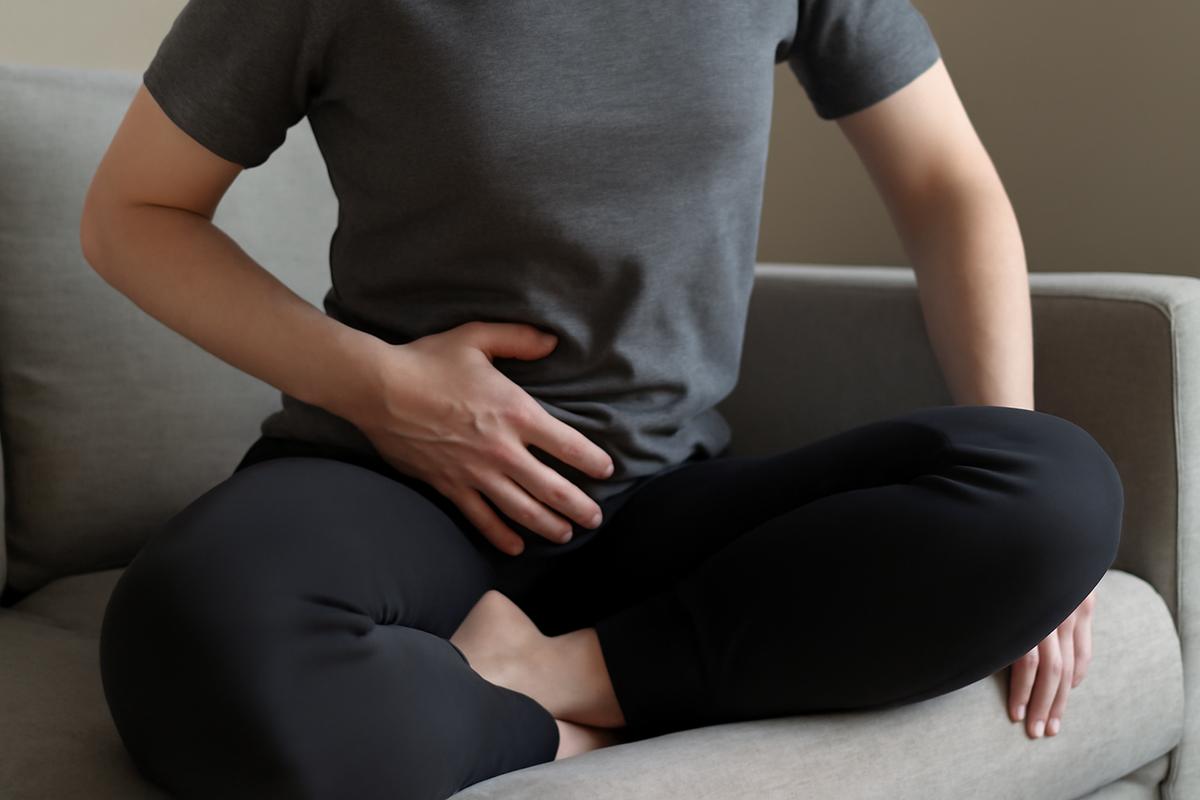
The first time your hips protest, it doesn’t sound like much. Maybe it’s just a faint tug in the groin when you unfold your legs, or a tight, rubber-band feeling around the outer hips as you push yourself up from the floor. You brush it off, thinking, “I’ve just been sitting cross‑legged too long.” But over time, that simple, childlike position—the one we associate with circle time, picnics, meditation, and lazy evenings on the couch—starts leaving behind a slightly sharper echo. A pinch. A clunk. A stiffness that trails you up the stairs and into the rest of your day.
How an Innocent Pose Becomes a Hip Problem
Picture yourself on a woven rug, legs folded in, ankles tucked, back curved just enough to be comfortable. It feels natural, even nostalgic. The knees drop outward, the soles of your feet turn toward each other, your thighs roll open. For many of us, this is a resting pose we’ve known since childhood. We call it “sitting cross‑legged,” or “criss-cross applesauce,” or, in yoga, “easy pose.”
But as your body settles here, your hip joints are doing anything but resting. They are rotated, flexed, and compressed in a very particular way. Deep inside, where the rounded ball of your femur sits in the cup of your pelvis, tissues shift and press and adapt. The ligaments that usually hold the joint in a neutral, balanced position are pulled into a new alignment. Some muscles lengthen more than they’d like; others shorten and clutch.
For a few minutes, this might be perfectly fine. The human body loves variety, and your hips are designed to move, rotate, bend, and even fold. The trouble begins when this posture becomes a default—when you sit like this on the floor for an entire movie, or fold up in your chair during a long work call, or nestle into this pose day after day to read, text, and scroll. What starts as comfort can quietly slide into strain.
Our hips, like curious storytellers, keep a long memory. They remember every hour we spend with knees flared wide and pelvis tipped. And they respond—sometimes in whispers of tightness, sometimes in louder signals of pain.
The Hidden Geometry of Your Hips
Under your skin, your hips are little architectural wonders. Each side is a ball-and-socket joint: the round head of your thigh bone (femur) nestling into a hollow (the acetabulum) of your pelvis. Around that hollow sits a ring of cartilage called the labrum, acting like a soft gasket that deepens the socket and cushions movement. Ligaments run like quiet ropes and straps, reinforcing the joint. Muscles—big ones like the glutes, more delicate ones like the deep rotators—work together to guide and stabilize every step, squat, and twist.
Now imagine what happens when you sit cross‑legged. Your hips are:
- Flexed – the thighs are brought closer to the belly.
- Externally rotated – the knees fall outward, feet inward.
- Abducted – the thighs move slightly out to the sides.
Layer those three movements together, and the geometry inside the joint changes. The femoral head presses into different parts of the socket. The front of the hip can feel compressed, the deep muscles in your glutes and lateral hips have to work to keep you from tipping over, and your inner thighs stretch and hold you like hammock ropes.
If your hips are mobile, the position might feel almost effortless. But for many modern bodies—trained more by chairs and car seats than by squatting and floor-sitting—the tissues around the hip are not evenly flexible or strong. Some regions are already tight; others are comparatively weak. Sitting cross-legged exaggerates these imbalances.
Over time, that uneven load can leave certain structures in your hips quietly overused and irritated, especially if you never give them another story to tell—another shape to take.
Why It Feels “Good” at First
There’s a reason we drift into this posture without thinking. When you sit cross‑legged, you’re often escaping something else: a stiff lower back, a deadened feeling from sitting in a chair too long, or boredom with having your feet flat on the floor. Tilting your pelvis and opening your hips temporarily frees your spine. Blood flow shifts. Nerves that were compressed against a chair seat or wallet or edge of cushion get a brief reprieve.
Like scratching an itch, it feels right in the moment. But the relief may be temporary, while the strain quietly accumulates in different tissues—especially deep within your hips.
Muscles That Complain When You Cross Your Legs
Listen closely the next time you uncurl from the floor. The voices you’re hearing—those tugs, pinches, and aches—belong to specific muscle groups and soft tissues.
1. The Outer Hips and Glutes
Your outer hips—particularly the gluteus medius and minimus, and the smaller deep rotators like piriformis—have to manage the outward fall of your knees. When you sit cross‑legged, these muscles are often held in a shortened or constantly engaged state, stabilizing your thigh bones and keeping you from collapsing backward.
Spend long periods like this, and they start to protest. That can feel like a tight band across the side of your hip, a soreness in your buttock, or even an ache that travels down the leg. In some people, especially those who already have a sensitive sciatic nerve or tight piriformis, cross‑legged sitting can provoke tingling or numbness down the leg.
2. The Inner Thighs (Adductors)
As your knees open out to the sides, your inner thighs lengthen and hold. The adductor muscles—those cords you feel along your inner thigh when you stretch wide—can handle this, but they don’t always love doing it statically, for long stretches, day after day. Especially if they’re already tight from running, cycling, or just general weakness and underuse.
When the adductors are constantly overstretched or held, they can respond with a deep, lingering soreness where the inner thigh meets the pelvis. Getting up from the floor may feel like prying open a rusty hinge.
3. The Hip Flexors and Front of the Hip
Because your hips are flexed in this position, some of the hip flexors—like the iliopsoas and rectus femoris—can experience awkward angles or compression at the front of the joint. If your pelvis tucks under, as it often does when we slump, the front of the hip joint narrows further.
That can create a pinching sensation at the front crease of your hip when you lean forward or when you try to stand up. Over time, especially in people with existing hip shapes like femoroacetabular impingement (FAI), this posture can worsen that pinchy feeling and irritate the front of the hip joint or labrum.
4. The Deep Joint Structures
Deep inside the joint, where bone meets cartilage, prolonged cross‑legged positions can increase pressure in certain zones. If the shape of your hip joint already has less clearance in some directions—as is common and completely normal variation—then extreme or prolonged flexion plus external rotation may start to feel like bones are “bumping” against each other.
This doesn’t mean your hips are broken. It means that your particular hip architecture doesn’t love being taken to the same extremes, for long periods, in the same way over and over again. The labrum, the joint capsule, and the cartilage can all become irritated with repeated deep compressive loads.
Why Some People Can Sit Like This Forever (and Others Can’t)
Watch a room full of people sit on the floor and you’ll see a wild variety of hip stories. Some fold cross‑legged with their knees almost touching the ground, spine tall and relaxed. Others hover with their knees high up near their chest, backs rounding, hands grabbing for balance. Some shift into half‑lotus without thinking; others sit like that for two minutes and feel knives in their hips.
The difference isn’t just flexibility or “tight muscles.” It’s a mix of factors:
- Hip bone shape – The angle of your femoral neck, the depth and orientation of your hip socket, and the subtle contours of your bones all change how far you can comfortably rotate your hips.
- Cartilage and labrum health – Previous injuries, labral tears, or early arthritis can make compressed positions feel much sharper.
- Muscle balance – Weak glutes, overactive hip flexors, or tight inner thighs can all shift the workload in odd ways.
- Habits and history – If you grew up squatting and sitting on the floor, your hips might have adapted differently than if you grew up in deep couches and office chairs.
So when you see someone meditating blissfully in lotus pose for an hour, remember: they’re operating with a different set of anatomical cards. For some bodies, sitting cross‑legged is nourishing. For others, it’s like pushing the same sore spot day after day. The key is not to force your hips into someone else’s story.
A Quick “Hip Check-In” Experiment
Try this: sit cross‑legged on the floor. Notice how high your knees are, whether your lower back rounds, and what you do with your hands. Then, place a folded blanket or cushion under your sit bones, lifting your hips a few inches. See what changes. Do your knees drop a little? Does your back feel more upright, less strained?
If a small lift suddenly makes the posture easier, that’s your hips telling you: “I can do this, but I need a better angle.” Often, it’s not cross‑legged sitting itself that’s the problem, but the degree of rotation and flexion you’re forcing out of your joints to get there from a low, flat surface.
What Long-Term Strain from Cross-Legged Sitting Can Look Like
The strain from cross‑legged sitting rarely shouts at first. It murmurs. But if the pattern continues unchecked, those murmurs can turn into something more distinct:
- A dull ache on the outside or front of the hip that appears after sitting and eases with walking.
- Groin pain when getting up off the floor or out of a car.
- Clicking or catching sensations deep in the hip with certain movements.
- Increased stiffness and difficulty crossing the legs at all over time.
- Referred pain into the buttock or down the thigh.
For people with existing hip conditions—like FAI, labral tears, bursitis, or early osteoarthritis—prolonged cross‑legged sitting can pour fuel on the fire. The posture exaggerates the angles that already irritate the joint, and the hip responds with louder, more insistent pain.
It’s not that this one pose “causes” hip problems in every case. But for many, it acts like a subtle amplifier. If the hip is already irritated, cross‑legged sitting presses on the bruise.
Finding a Kinder Way to Sit
If this all sounds like a stern warning against ever folding your legs again, it isn’t. The human body is made to move through a rich landscape of positions, and cross‑legged sitting can absolutely be part of that landscape. The issue arises when it becomes a static, overused chapter instead of one of many shapes you pass through.
Think less about “never sit cross‑legged again” and more about “how can I sit in ways that my hips actually enjoy?” A few simple shifts can transform a straining posture into a more sustainable one.
| If You Notice… | What It Might Mean | Try This Instead |
|---|---|---|
| Knees hovering high when cross‑legged | Limited hip external rotation or tight inner thighs | Sit on a cushion or folded blanket to lift hips; support knees with pillows |
| Front‑of‑hip pinching | Hip joint or labrum may be getting compressed | Reduce how deeply you cross; try a more open “butterfly” or one leg extended |
| Outer hip soreness afterward | Glutes and deep rotators overworking to stabilize | Change positions often; add gentle strengthening for glutes and hips |
| Numbness or tingling down the leg | Nerve compression (e.g., sciatic or peroneal) | Uncross legs; avoid sitting on your feet or outer calf; choose neutral positions |
| Stiffness getting up | Joints and soft tissues not liking long static holds | Limit time in any one position; stand, walk, or stretch every 20–30 minutes |
Small Changes with Big Impact
Instead of staying cross‑legged for an entire episode or meditation, try cycling through a few different floor positions:
- Cross‑legged for a few minutes, then switch which leg is in front.
- One leg bent, one leg extended, then swap sides.
- Kneeling with a cushion between heels and hips, then move to a low stool or chair.
- Sitting with your back against a wall, legs loosely bent or outstretched.
These small variations spread the workload across different muscles and joint angles instead of hammering the same structures repeatedly. Your hips tend to complain less when the story keeps changing.
Strength, Not Just Stretch, for Happier Hips
When people feel tight or strained in their hips, the instinct is almost always to stretch. Stretch the groin. Stretch the glutes. Pull the leg into an even deeper cross‑legged pose and breathe there. And while certain stretches can feel soothing, the longer game for reducing strain from cross‑legged sitting actually comes from strength.
Stronger hips handle more shapes with less complaint. Think of:
- Glute strengthening – Bridges, step‑ups, hip thrusts, and side‑lying leg lifts.
- Lateral hip work – Side steps with a band, single‑leg balance, gentle lateral lunges.
- Core support – Not just crunches, but planks, dead bugs, and movements that teach your pelvis to stay more neutral.
When the muscles around your hips are robust and coordinated, they hold the joint in a safer, more supported alignment, even when you choose shapes like cross‑legged sitting. They help resist the tendency for your pelvis to collapse backward or your knees to strain outward.
On the flip side, if your hips are weak and underused, they’ll tire quickly in non‑chair positions. That fatigue often feels like sudden tightness or pinching—a sign that your tissues are reaching the edge of what they can comfortably take.
Listening to the Story Your Hips Are Telling
At the heart of all this is not a rule about whether cross‑legged sitting is “good” or “bad.” It’s an invitation to pay attention. Your hips are narrators. Every time you shift into or out of that folded‑leg posture, they’re giving you a bit of feedback about how their tissues are coping with your daily habits.
If you sit cross‑legged briefly and stand up feeling light and free, your hips are likely saying, “Thanks, that was a nice variation.” If you sit that way most of the evening and then hobble up as if your joints had rusted, they’re saying, “We need a different story.”
The strain comes not from a single moment but from repetition without variety, from insisting that your hips fit some idealized picture of “good posture” or “proper meditation pose,” even when they’re clearly voting no.
You can start small. Add a cushion. Shift positions before you feel desperate to move. Give your hips a diet that includes walking, squatting within your comfort range, standing, and yes, occasionally sitting on the floor—cross‑legged or otherwise. Notice which shapes feel nourishing and which feel depleting.
Over months and years, these tiny choices change the landscape of your hips. You’re not just avoiding strain; you’re writing a more diverse, resilient story into your tissues—one in which sitting cross‑legged is an option, not an obligation, and your hips have room to breathe, explore, and age with a little more grace.
FAQ
Is sitting cross‑legged always bad for your hips?
No. For some people, sitting cross‑legged in moderation feels fine and may even help them feel more mobile. It tends to become problematic when it’s done for long periods, very frequently, or in bodies that already have hip irritation, limited range of motion, or structural issues.
How long is it safe to sit cross‑legged?
There’s no universal time limit, but a good guideline is to change positions every 20–30 minutes. If you notice discomfort sooner, shift sooner. If your hips feel fine, you can stay longer—but still try not to remain in any one posture for extended periods without moving.
Why do my hips hurt when I get up from sitting cross‑legged?
When you stand up, your hips move quickly from flexed and rotated to a more neutral position. If the joint and surrounding tissues have been compressed or held for too long, that transition can feel stiff or painful. It may signal that the position was a bit too deep, too long, or not well supported for your body.
Can cross‑legged sitting cause permanent damage?
For most healthy people, occasional cross‑legged sitting is unlikely to cause permanent damage. However, in those with underlying issues like labral tears, significant arthritis, or impingement, repeatedly forcing deep cross‑legged positions can worsen symptoms and potentially aggravate existing damage. Persistent pain should always be evaluated by a qualified healthcare professional.
What are some alternatives if cross‑legged sitting hurts?
You can sit with one leg extended and the other bent, kneel on a cushion, sit on a low stool, or sit against a wall with legs gently bent or outstretched. Raising your hips on a pillow or folded blanket often makes cross‑legged or semi‑cross‑legged positions more comfortable by changing the angle at your hips.
Should I stretch my hips more if cross‑legged sitting feels tight?
Gentle stretching can help, but relying only on stretching may not solve the problem. Often, the hips need better strength and support as much as, or more than, extra flexibility. Balancing strengthening exercises with moderate stretching tends to be more effective than stretching alone.
When should I see a professional about hip pain from sitting?
If your hip pain is sharp, persistent, waking you at night, limiting your daily activities, or accompanied by clicking, catching, or giving way, it’s wise to consult a healthcare provider such as a physical therapist, sports medicine doctor, or orthopedist. They can help identify whether your discomfort is simply from posture and muscle imbalance or from something that needs more specific treatment.

Hello, I’m Mathew, and I write articles about useful Home Tricks: simple solutions, saving time and useful for every day.