Why indoor plants struggle near windows
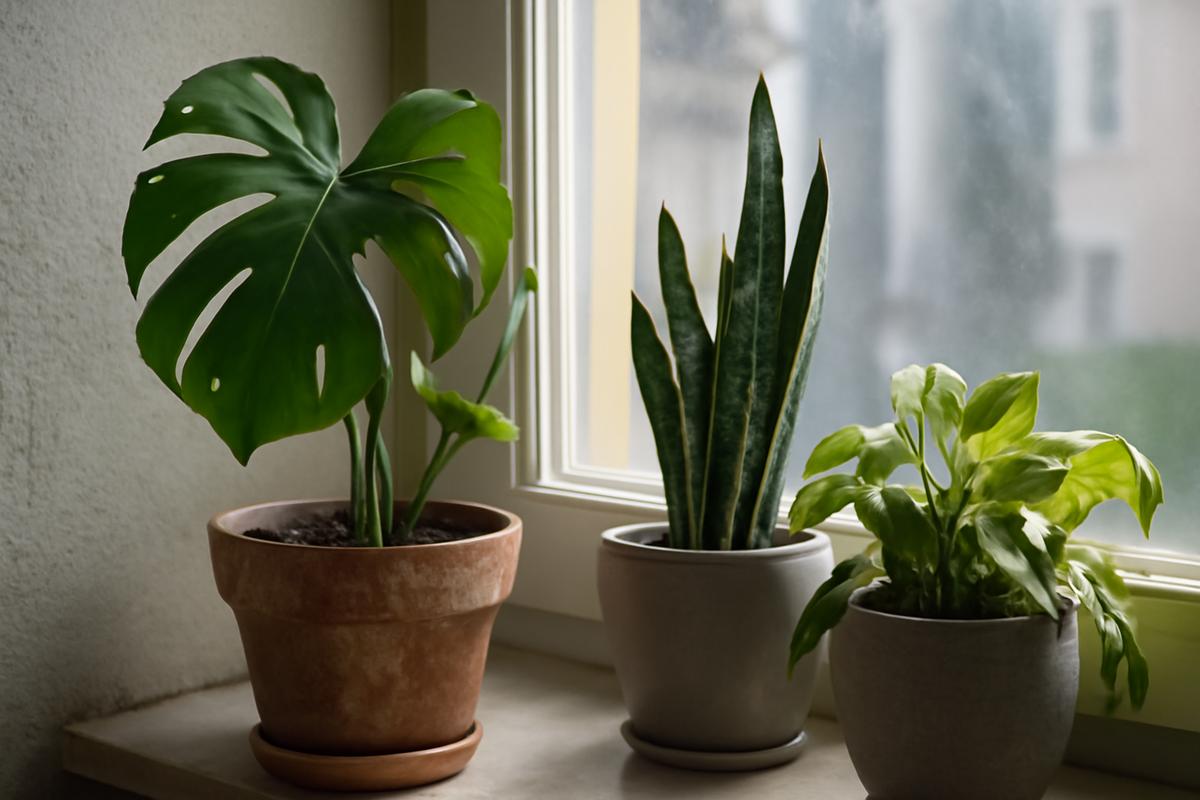
The first thing you probably notice is the light. It pours through the window in fat, golden beams, dust drifting like tiny planets. You set the new plant—the one with the delicate leaves and the promise of a greener life—right in that glow. It looks perfect, like a magazine photo come to life. A week passes, then two, and something quiet and disappointing happens. The leaves curl. The soil never seems quite right. A few stems yellow, then brown. And you stand there, coffee in hand, looking at the window, then at the plant, and wondering: How can a spot that looks so bright feel so deadly?
When “Bright” Isn’t Really Bright
Stand by your window around midday and pay attention to how the light actually lands. It feels strong on your skin, maybe even hot if it’s summer. The glass glows. The room looks bright. But for a plant, this is often a trick of the human eye.
Plants don’t see light the way we do. We judge brightness by how easy it is to read a book or take a photo without flash. Plants, on the other hand, are counting photons—tiny packets of light energy they use for photosynthesis. What feels like a bright room to us might be, in plant terms, a dim, half-lit cave.
Even at a sunlit window, glass steals a surprising amount of the wavelengths plants love. Much of the UV and a chunk of blue light never make it past the pane. The window filters and softens, reshaping daylight into something gentler and more human-friendly. You feel cozy; the plant feels cheated.
Then there’s the distance problem. Move your plant just a little bit back—say 3–6 feet from the window—and the light intensity can drop dramatically. The difference between sitting right in the windowsill and being back on a table can be the difference between thriving and just barely hanging on.
| Location | How It Looks to You | How It Feels to Many Plants |
|---|---|---|
| Directly on a south-facing sill | Bright, sometimes harsh | Intense light, risk of leaf burn and heat stress |
| 2–3 feet from a large east or west window | Pleasantly bright, airy | Moderate light, workable for many houseplants |
| Back wall of the room | “Still bright enough” to read | Low light; survival mode for most species |
| Corner near a single small window | Cozy, softly lit | Starvation-level light over time |
So a plant that evolved in open meadows or bright forest clearings might feel like it’s living in permanent twilight, no matter how “sunny” the room appears. The window, instead of being a gateway to the outdoors, becomes a gentle, filtered echo of the real thing.
The Invisible Heat Behind the Glass
Why the Sunburn Happens Indoors
It’s easy to imagine that indoor light is safe light. After all, you don’t usually get sunburned sitting by the window. But plants are different. They can’t move themselves to a shadier chair or put on sunscreen. When the sun tilts just right and pours through the glass, a windowsill can turn into a silent frying pan.
Glass acts a bit like a greenhouse skin. It lets in light and some warmth but slows the escape of heat. Put your hand on a sunlit window in the afternoon and you’ll feel that trapped warmth humming there. For plants, that local spike in temperature can be brutal. Leaves press against hot glass, soil dries out in hours instead of days, and the air right around the plant becomes thin, hot, and low in humidity.
Outdoor plants have wind, open air, and the vast sky to buffer sudden temperature swings. Indoor plants near windows have a very small microclimate: a strip of space where the rules change quickly and dramatically. Bright sun, still air, glass that heats and cools—this is where many leaves meet their match.
New leaves, in particular, are tender and unprepared. A plant that’s spent weeks growing under softer, filtered indoor light suddenly gets blasted by a shaft of afternoon sun. Cells rupture, chlorophyll breaks down, and a day later, tan or brown patches appear on the leaves like old bruises. It looks like disease. It’s really sunburn.
Drama at the Glass: Temperature Swings
The Cold Shoulder at Night
When the sun leaves, the glass tells a different story. On winter nights, that same window can become an icy border. Cold leaks in from the outside, and the air right next to the pane drops in temperature, sometimes drastically. You may be comfortable in the room, wrapped in a sweater, but the plant’s leaves, pressed close to the chilly air and occasionally brushing against cold glass, feel the shock.
Many tropical houseplants come from climates where the temperature barely budges between day and night. A sudden 15–20°F drop beside a window rattles their systems. Growth slows. Leaves droop or crisp along the edges. Roots, cooled by the nearby glass, stop absorbing water properly, and the plant begins to behave as if it’s both wet and thirsty at the same time.
In older buildings or poorly insulated homes, this effect amplifies. Drafts sneak through gaps, and the space near the window might as well be outdoors compared with the rest of the room. A plant that was happy on the sill in August might be quietly suffering there in January, night after night.
The Roller Coaster in One Day
Now layer in the daily rhythm. Morning chill, noon scorch, afternoon glare, evening cool. The plant’s world spins through more temperature shifts in 24 hours than its wild cousins might see in a week. Every swing demands adjustment: open stomata, close stomata, divert energy, conserve water.
To us, the change feels like a normal day. To a plant anchored in a small pot by the glass, it’s like living in a tiny room where someone keeps messing with the thermostat and the blinds every few hours. There’s no chance to settle into a steady groove.
Glass, Angles, and the Mirage of Perfect Light
Windows Don’t Just Let Light In; They Sculpt It
Light doesn’t simply pour straight through a window and stop. It bounces. It scatters. It takes on the personality of walls, floors, furniture, and even the plants themselves. Stand in your living room at different times of day and you’ll notice this choreography: a bright patch marching slowly across the floor, the couch that’s sunny in the morning and gloomy by late afternoon, the corner that never really gets direct sun at all.
A plant near the window sits inside this choreography, not outside it. If you pay attention closely for a full day, you might realize your “sunny spot” is actually in shadow for most of the morning and only catches one strong beam for 45 minutes in late afternoon. Or you might discover that only the top leaves are truly lit, while the lower ones live in constant shade.
Moving the pot a few inches left or right can change everything. Indirect light becomes direct. A leaf that was safely tucked in the soft glow suddenly faces a focused shaft of sun. The plant’s response lags behind your rearranging—by the time it shows distress, days or weeks may have passed since you made a “small” decorative change.
Facing the Cardinal Directions
The direction your window faces adds another layer to the puzzle.
- South-facing windows (in the northern hemisphere) often receive the strongest, longest-lasting light. Great for sun-hungry species, harsh for shade lovers.
- East-facing windows catch gentle morning sun—milder, cooler, often ideal for many houseplants that enjoy “bright but not harsh” conditions.
- West-facing windows tend to deliver intense afternoon light, sometimes hot and punishing, especially in summer.
- North-facing windows usually give soft, consistent, indirect light—safe but often too dim for plants that crave real brightness.
Many indoor plants struggle because they’re mismatched with the window’s personality. A fern baking in a west-facing sill, a succulent shrinking in a north-facing corner—these are quiet mismatches we create without realizing it, guided more by aesthetics than by ecology.
Water, Humidity, and the Windowsill Trap
Soil That Never Behaves as Expected
Near a window, the rules of watering become unpredictable. Strong light and warmth from the glass can make soil dry out quickly—sometimes in just a couple of days. But on cooler, cloudier weeks, that same soil may hold onto moisture far longer than your routine expects.
This inconsistency plays tricks. You water as usual, but the plant’s roots are already chilled from a cold night by the glass, and the wet soil lingers, heavy and sour. Or you assume the heat will dry everything out and you water generously, only to discover the plant was already waterlogged from last week’s cloudy days.
All the while, the plant is trying to balance two conflicting demands: take up enough water to keep up with the light and heat, but not so much that the roots start to rot in soggy soil. If your pot doesn’t have excellent drainage, or if the container is too large, the risks multiply. The top inch feels dry, while the bottom quietly turns into a swamp.
Dry Air, Soft Leaves
Most houseplants are refugees from more humid climates—rainforests, cloud forests, moist understories where the air is thick with water. Windows in heated or air-conditioned homes often create the opposite environment: bright but dry, sunlit but parched.
In winter, especially, radiators and heating vents can be near windows. Warm, dry air rises, hits the chilled glass, and tumbles down again, swirling around your plant. Leaves lose moisture quickly through their stomata, tiny pores that open to let in carbon dioxide. If the plant can’t pull water up fast enough from the roots—because the soil is too dry, too cold, or too compacted—leaves wilt, crisp, or drop.
From the outside, it looks like a light problem or a mysterious disease. Underneath, it’s often a mix of low humidity, erratic soil moisture, and a plant trying to breathe comfortably in air that feels too thin and dry for its liking.
Reflections, Curtains, and the Human Factor
How We Accidentally Confuse Our Plants
Plants near windows don’t just live with natural light; they live with our habits. We open and close curtains, raise and lower blinds, shift furniture, and move pots to make space for gatherings, pets, or simply a better view. To us, these changes are small details in the flow of a week. To a plant, they are new rules in the playbook it’s been trying to follow.
One day, soft diffuse light filters through a sheer curtain. The next, the curtain is tied back and a narrow, blazing beam cuts straight through the room. This weekend the window is open and a breeze slides in; next weekend the glass is shut tight, and the air goes still and heavy. The plant adjusts, readjusts, and then stops trying so hard.
Even household objects matter. A white wall can bounce tons of light back onto the shaded side of a plant, giving it energy from two directions. A dark couch or shelf can suck up that reflected light, leaving half the foliage in dimmer conditions than before. Overcrowding plants on a sill means they shade one another, and the leaves farthest from the glass may as well be living in a different world entirely.
None of this is malicious, of course. We’re decorating, nesting, tidying. But our urge to stage the perfect windowsill tableau sometimes clashes with a plant’s quiet need for consistency more than anything else.
Finding the Sweet Spot: Windows as Allies, Not Enemies
Reading the Light, Not Just the Room
The secret to helping indoor plants near windows isn’t avoiding the glass—it’s learning to read the story your window is telling. Spend a single day paying careful attention and you’ll learn a lot. Where does the first light hit in the morning? Where is the brightest patch at noon? Which corners never really get direct sun, even if they feel open and bright?
Watch how the plant responds over weeks, not just days. Are new leaves smaller than the old ones? Is it stretching toward the glass, leaning like a swimmer reaching for the pool’s edge? Are lower leaves dropping, one by one, as the plant focuses its energy on the lit tips of its stems?
Once you start listening with your eyes, you can make subtle but powerful changes:
- Move shade-loving plants a little farther from harsh south or west windows, or filter the light with a sheer curtain.
- Bring sun-hungry species closer to east or south windows, where they can soak up bright, indirect light for most of the day.
- Rotate pots every week so all sides take their turn in the spotlight.
- Group plants to create tiny pockets of higher humidity, especially near winter windows.
You can also play with height. A plant sitting on the sill might be in direct, scorching rays, while the same plant on a low stool just below the sill might enjoy bright, filtered light that never quite lands full-force on its leaves.
In the end, a window is neither friend nor enemy. It’s a stage. Light, temperature, humidity, and time are the actors, and your plants are learning their lines one day at a time. When you step in as a quiet director—nudging a pot a few inches, softening glare with fabric, shielding from drafts, understanding the script—you give them the chance to turn struggle into steady, confident growth.
FAQs
Why do my plant’s leaves burn even though they’re indoors?
Leaf burn happens when intense direct sun passes through glass and concentrates on the foliage, often combined with heat buildup on the windowsill. The plant’s tissues overheat and cells are damaged, leaving brown, crispy or pale patches. It’s especially common in thin-leaved or shade-loving plants placed right in strong south or west-facing windows without any filtering.
Is a north-facing window too dark for most plants?
Not necessarily, but it can be too dim for light-hungry species like many succulents and flowering plants. North-facing windows usually provide gentle, indirect light that works well for low-light plants such as some ferns, snake plants, or pothos. You may need to move plants closer to the glass and avoid placing them too far back in the room.
Why does my plant droop at night near a window in winter?
Nighttime drooping near windows in cold months often points to temperature stress. Cold air seeping through the glass chills leaves and soil, slowing root function and making it harder for the plant to move water. The result is a wilted or droopy look that may improve slightly during the day but returns each cold night.
How can I tell if my plant near the window is getting too much light or too little?
Too much light often shows as faded color, crispy edges, or brown patches on leaves, especially on the side facing the glass. Too little light usually leads to stretched, leggy growth, small new leaves, and a plant that leans strongly toward the window. Sometimes lower leaves yellow and drop as the plant sacrifices them to support the top growth.
Should I use curtains or blinds to protect my plants?
Yes, sheer curtains or partially closed blinds can soften harsh direct sunlight, especially on south- or west-facing windows. This creates bright, indirect light that many houseplants love. You can adjust them through the day—more open in the morning, more closed during peak afternoon sun—to smooth out extremes in light and temperature.
Do plants need to sit right on the windowsill to do well?
Not always. Some plants do best a short distance back from the glass, where the light is still bright but less harsh and the temperature more stable. For very strong windows, especially in summer, placing plants 1–3 feet away or slightly below sill level can reduce leaf burn and stress while still providing enough light.
Why do some plants thrive near my window while others struggle in the same spot?
Different species evolved for different light and temperature conditions. A succulent or cactus might relish hot, sunny windowsills that would quickly damage a fern or a peace lily. Matching each plant’s natural preferences—bright and dry, shady and moist, or something in between—to the specific conditions of your window is key to turning that struggling corner into a thriving, living display.

Hello, I’m Mathew, and I write articles about useful Home Tricks: simple solutions, saving time and useful for every day.