The spice that balances blood sugar gently
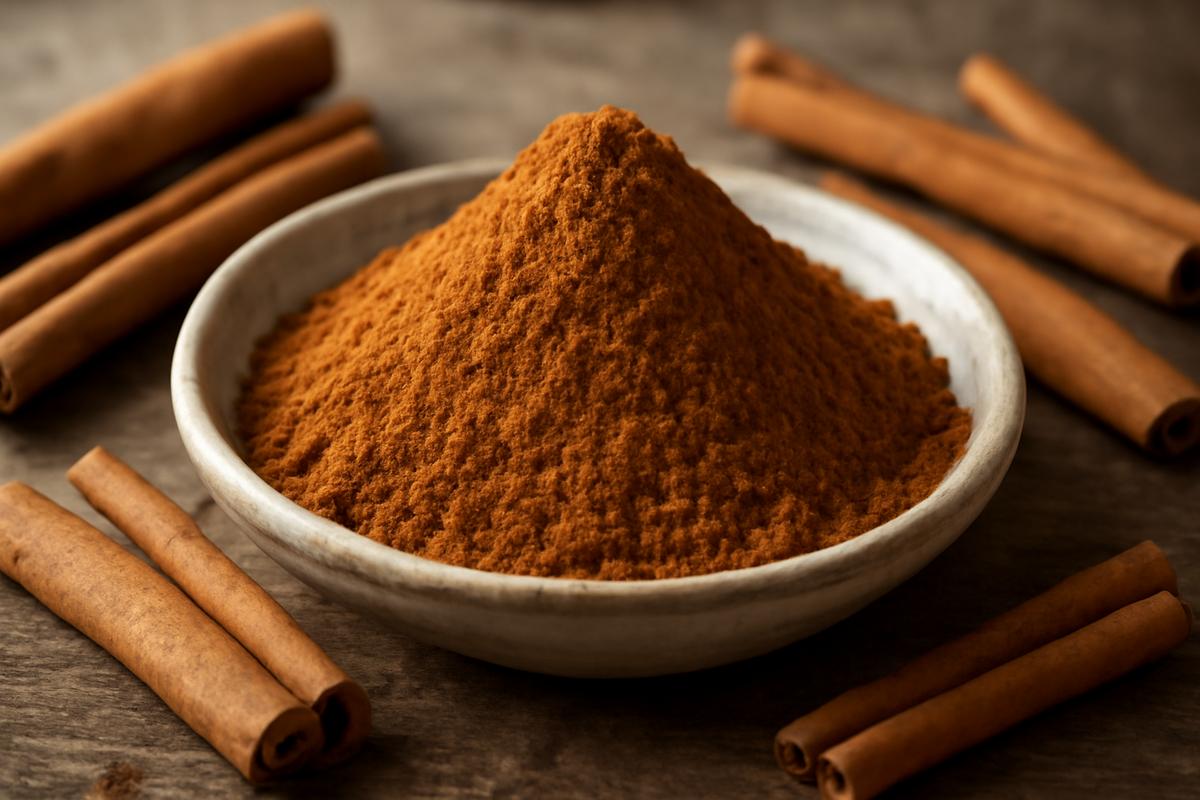
The first time I really noticed cinnamon, it wasn’t in a recipe book or a health article. It was in my grandmother’s kitchen, where the walls always seemed to hold a faint, sweet warmth. She stood by the stove, stirring a little pot of milk and rice, the air slowly filling with that unmistakable fragrance—softly sweet, woody, almost like warmth made visible. When she saw me hovering nearby, she pinched a bit of the curled bark between her fingers, crushed it, and held it under my nose.
“This,” she said, “keeps the sweetness in your life, but not in your blood.”
Back then, I laughed it off as another one of her poetic sayings. Years later, I would think of that moment while reading research papers about blood sugar, insulin, and yes, cinnamon—this unassuming spice that has sat in our kitchen cabinets for centuries, waiting for us to finally listen.
The Silent Roller Coaster Inside Your Blood
Most of us meet our blood sugar story with a jolt, like an unexpected plot twist. Maybe it’s a routine checkup where the doctor frowns at your lab report and says words like “pre-diabetes,” “insulin resistance,” or “borderline.” Or perhaps it’s subtler: the 3 p.m. crash where your focus evaporates, your eyelids droop, and you find yourself reaching for something—anything—sweet.
Blood sugar isn’t just a number on a lab sheet; it’s a rhythm your body plays all day. Eat something heavy in refined carbs and sugar, and your blood sugar spikes. Your pancreas scrambles to send out insulin, the hormone whose job is to usher glucose into your cells. For a while, this works beautifully—until it doesn’t. When the roller coaster gets too wild—high peaks, steep drops—your cells can start ignoring insulin’s knocking. That’s insulin resistance, and over time, it can lead to type 2 diabetes, weight gain, fatigue, and a long list of complications that sound like they belong in someone else’s life, not yours.
What’s remarkable is how silently this happens. You can feel basically “fine” while the numbers inch upward. No siren alarms, no flashing warning lights—just naps that feel a little too necessary, cravings that feel a little too pushy, hunger that comes a little too soon.
Somewhere in this story, a spice—quiet, aromatic, familiar—steps in and says: Let’s soften those edges.
The Spice That Whispers, Not Shouts
Cinnamon is not a miracle cure. It doesn’t kick down the door and “fix” your metabolism overnight. Instead, it behaves more like a careful friend who walks alongside you, steadying your steps.
There are two main kinds of cinnamon you’ll meet on store shelves. One is Cassia cinnamon, the stronger, more common variety with a bold flavor and deep reddish-brown color. The other, often called “true cinnamon,” is Ceylon cinnamon, lighter in color and more delicate in taste. Both carry aromatic warmth, but when we talk about long-term, regular use, Ceylon is the gentler choice, especially for your liver, because it is naturally lower in a compound called coumarin.
Nutritionally, cinnamon is a quiet powerhouse. Inside each fragrant curl are plant compounds called polyphenols and flavonoids—little molecules that help your body do a better job of managing inflammation and oxidative stress. Some of these compounds appear to help your cells respond better to insulin, as if they’re cleaning the fog off a window so the message gets through more clearly.
But what makes cinnamon so captivating is this: instead of trying to force your blood sugar down, it supports the systems already at work. It helps your body be a bit more efficient, a bit more responsive, a bit more balanced. That gentleness is its magic.
A Gentle Nudge to Your Blood Sugar
Imagine your breakfast: maybe a bowl of instant oatmeal with some brown sugar, or toast with jam, or a quick pastry you grabbed on the way out the door. Within an hour or two, your blood sugar rises, and then falls. If you’re paying attention, you can feel the pattern: a quick burst of energy, then the slump, then the need for coffee or a snack.
Now imagine almost the same breakfast—but dusted with cinnamon, stirred with intention. The oats are the same. The milk is the same. Yet, in your bloodstream, the story unfolds just a bit differently.
Some studies suggest that cinnamon can help slow the emptying of food from your stomach, which in turn may make blood sugar rise more gradually instead of spiking sharply. Other research points to cinnamon making insulin work more effectively, like a key that fits better into the lock. There are hints that cinnamon may even encourage your cells to store glucose more efficiently or help reduce fasting blood sugar levels over time when used consistently.
None of this happens with a single sprinkle. Cinnamon is subtle. Think of it less as a switch and more as a steady dimmer, easing down the intensity of those blood sugar surges when it’s used regularly as part of a balanced way of eating.
It doesn’t wrestle sugar to the ground. It negotiates.
The Daily Dash: Small Habit, Real Shift
Fascination is one thing. Daily life is another. How does this actually play out in your kitchen, where mornings are rushed, and evenings blur together?
The beauty of cinnamon is that it slips into your routine almost effortlessly. It doesn’t demand a complex recipe or a strict schedule. It thrives in small, consistent gestures:
- A half teaspoon stirred into warm oatmeal.
- A sprinkle over sliced apples or pears.
- A dash in your morning coffee with a splash of milk.
- A quiet presence in your yogurt, along with a handful of nuts.
These are not flashy acts. You won’t feel fireworks or sudden bursts of energy. What you might notice, over days and weeks, is something softer: a little less crashing after meals, cravings that feel slightly less sharp, a body that doesn’t spike and dip quite as dramatically.
Even the ritual of adding cinnamon can become grounding—a pause where you remember that you’re collaborating with your body, not battling it.
How Much Cinnamon Is Enough?
Somewhere between breathless headlines and research labs lies a more cautious truth: cinnamon is promising, but it has limits—and guidelines.
Most of the research on blood sugar has used amounts roughly in the range of 0.5 to 2 teaspoons of cinnamon per day, often divided across meals. This is not a prescription; we don’t yet have a universally agreed “therapeutic dose.” But it gives a sense of scale. A light sprinkle here and there is more about flavor. A consistent daily habit, in measured amounts, is where the potential metabolic benefits begin to show up.
Because of coumarin (especially in cassia cinnamon), very large or long-term doses of cassia may stress the liver in some people. That’s why many health practitioners suggest favoring Ceylon cinnamon if you plan to use it daily and regularly.
Think of cinnamon as a quiet companion to other good decisions—fiber-rich meals, movement after eating, enough sleep—rather than a lone hero. It’s a helper, not a loophole.
A Quick Look at Cinnamon in Daily Life
| Use | What It Looks Like | Why It Helps |
|---|---|---|
| Breakfast Boost | Cinnamon in oats, yogurt, or smoothies | May steady the first blood sugar rise of the day |
| Snack Companion | Sprinkled on fruit with nuts | Pairs sweetness with slower-digesting fats and fiber |
| Warm Drinks | In coffee, tea, or warm milk | Adds comfort and may reduce sugar you add for flavor |
| Savory Dishes | In stews, curries, or roasted vegetables | Brings warmth and depth without sugar or heavy sauces |
When Cinnamon Meets the Rest of Your Life
It’s tempting to isolate one ingredient—one spice, one supplement, one superfood—and hum a hopeful tune around it. But your blood sugar doesn’t respond to cinnamon in a vacuum. It responds to your whole life: what you eat, how you move, how you sleep, how you handle stress.
Picture a typical day. Maybe you wake up after too few hours of sleep, grab a sweetened coffee on the go, skip a real breakfast, sit most of the day, eat lunch at your desk, and then collapse into the evening with takeout and a screen. In that rhythm, even a heroic amount of cinnamon would struggle to make a meaningful dent.
Now imagine a slightly different pattern. Not perfect—just kinder:
- You start with a breakfast that includes protein, fiber, and a sprinkle of cinnamon.
- You walk for ten minutes after your main meals, letting your muscles help mop up some of the circulating glucose.
- You drink water more often than sugary drinks.
- You consciously swap a heavily sugary dessert a few nights a week for cinnamon-touched fruit and nuts.
In that scenario, cinnamon isn’t working alone. It’s part of a small, coordinated shift—a supporting actor in a film where you, not your cravings, hold the script.
There’s also the emotional side: knowing that you’re doing something gentle and consistent can pull you out of the all-or-nothing trap. Cinnamon doesn’t yell at you to be perfect. It simply invites you to be a bit kinder to your body today than you were yesterday.
Listening to Your Own Numbers
For some people, the story with cinnamon is not just theoretical. They see it in their glucometer readings. A person with pre-diabetes who adds cinnamon to meals and walks afterward may slowly watch their fasting numbers soften. Someone with type 2 diabetes might notice slightly more stable post-meal numbers as part of a carefully supervised plan.
It doesn’t work the same way for everyone. Some bodies respond more clearly than others. Factors like genetics, overall diet, medications, and other conditions all shape the outcome. That is why self-awareness—whether through lab work, finger-prick tests, or simply tuning into your energy and hunger—is essential. Cinnamon can be part of an experiment you run with your own life as the data.
The Soul of a Simple Ritual
There is something profoundly grounding about the way cinnamon weaves itself through cultures. It’s in mulled cider simmering on a winter stove. It’s in rice puddings, chai, spiced breads, and slow-cooked stews. It has traveled across trade routes, sailed with explorers, scented royal courts, and found its way into the humblest of kitchens.
When you reach for cinnamon, you’re not just using a spice that might help your blood sugar. You’re joining a long, quiet lineage of people who have used scent and flavor as a kind of medicine for the spirit as well as the body.
Picture this: one small ritual, repeated most days. Maybe it’s stirring cinnamon into a bowl of warm, unsweetened yogurt with a sliced banana. Maybe it’s a mug of cinnamon tea in the evening instead of something sugary. Maybe it’s sprinkling cinnamon over roasted carrots and sweet potatoes, letting your kitchen fill with an earthy, caramel scent.
Each time you do this, you tell your body: I am paying attention. I want my sweetness to come from inside my life, not just inside my bloodstream.
In a world that often sells loud, extreme solutions—crash diets, harsh detoxes, punishing workouts—cinnamon offers an almost radical softness. It suggests that change can be fragrant and warm and woven into ordinary moments. It whispers that balancing your blood sugar doesn’t have to be a war. It can be a conversation, a long one, between you and your own cells.
And somewhere, perhaps, your grandmother—or someone’s grandmother—is standing at a stove, stirring a pot of something gently sweet, letting curl after curl of cinnamon melt into the steam, trusting in small, daily acts of care.
Frequently Asked Questions
Does cinnamon really lower blood sugar?
Cinnamon doesn’t act like a medication, but research suggests it may help improve how your body responds to insulin and may gently lower fasting blood sugar in some people when used regularly. It works best as part of a broader approach that includes a balanced diet, movement, and medical guidance when needed.
Which type of cinnamon is better for regular use?
Ceylon cinnamon (often called “true” cinnamon) is generally considered better for daily, long-term use because it is lower in coumarin, a natural compound that can stress the liver in high amounts. Cassia cinnamon is more common and stronger in flavor but should be used more moderately if you consume it often.
How much cinnamon should I use each day?
Many studies have explored amounts in the range of about 0.5 to 2 teaspoons per day. There is no universal “dose,” and the ideal amount varies by person. Using up to around 1 teaspoon of Ceylon cinnamon daily with meals is a reasonable, gentle place to start for most adults, unless your healthcare provider advises otherwise.
Can I just take cinnamon capsules instead of using the spice?
Cinnamon capsules are convenient, but they can deliver higher doses more quickly, including more coumarin if they are made from cassia cinnamon. If you choose supplements, it’s wise to talk with a healthcare professional first, especially if you have liver issues, are pregnant, or take medications that affect blood sugar.
Is cinnamon safe for people with diabetes?
Cinnamon can be a helpful addition for some people with diabetes, but it should never replace prescribed medication or medical advice. Because it may influence blood sugar levels, it’s important to monitor your numbers and discuss any regular cinnamon use with your healthcare provider, particularly if you use insulin or other blood sugar–lowering drugs.

Hello, I’m Mathew, and I write articles about useful Home Tricks: simple solutions, saving time and useful for every day.