The pillow fabric that traps heat at night
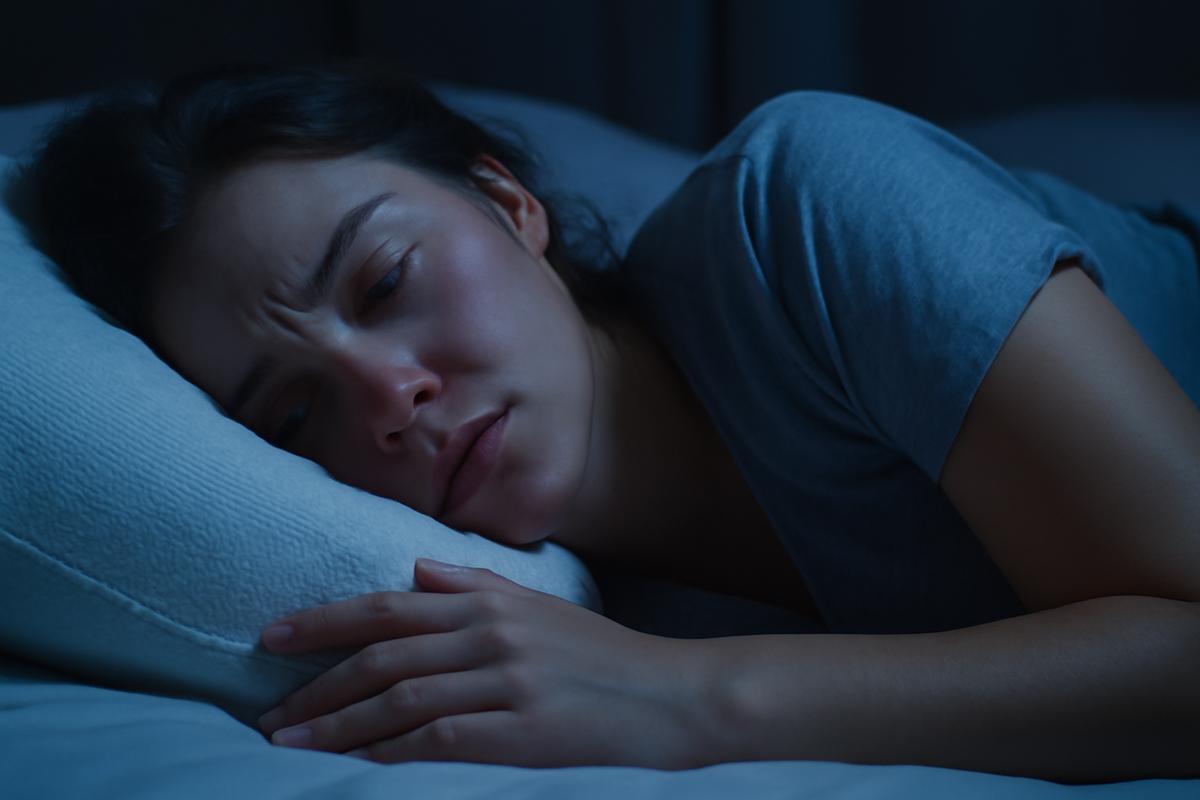
The first thing you notice is the weight of the air. It’s two in the morning, the room is dark, and the quiet hum of the ceiling fan feels more symbolic than useful. You’ve already kicked the sheet off twice. Your skin feels tacky, your neck damp, your hair plastered uncomfortably to one side. You flip your pillow again, hunting for that mythical “cool side” everyone talks about. For a second, the cotton feels bearable. Then, slowly, almost vindictively, it starts to warm up beneath your cheek. The heat gathers and lingers there, like a tiny summer trapped in the fabric. You turn again, restless, wondering why something as simple as a pillow can feel like a small furnace pressed to your face.
The Midnight Mystery of the Overheated Pillow
If you’ve ever lain awake wondering why your pillow feels hotter than the rest of the bed, you’re not imagining it. There’s a quiet, invisible science happening between your skin, the air, and the fabric beneath your head. Some pillows simply refuse to let heat go, hoarding warmth until you’re left tossing and turning in a battle against your own body temperature.
This isn’t just about comfort; it’s about biology. As night deepens, your core body temperature naturally drops to signal that it’s time to sleep. Your body gently releases heat, especially from surfaces like your head, face, hands, and feet. Ideally, that heat should drift away into the surrounding air. But when the wrong fabric sits between you and that air, the process gets interrupted. Instead of dissipating, the warmth gathers in the pillow, creating a patch of stubborn heat that can leave you feeling sticky and strangely trapped.
You might blame the weather, the fan, or the blanket. Yet again and again, the culprit is surprisingly small and deceptively soft: the fabric wrapped around your pillow.
The Fabric Culprit: Why Some Pillows Become Heat Traps
When you slide your hand over a pillowcase in a store, it’s easy to be seduced by smoothness or shine. But what your fingertips can’t immediately tell you is how that fabric will behave once it’s pressed against warm human skin for hours. Some materials are like open windows for air and moisture; others are more like tightly shut doors.
The fabrics most likely to trap heat share a few traits: they’re dense, not very breathable, and often made from synthetic fibers that don’t play nicely with sweat or airflow. Think of it like clothing on a hot day. Wear a light linen shirt, and you feel the breeze. Pull on a cheap, thick polyester tee, and suddenly every step feels heavier, every minute stickier. Your pillow works the same way—only you’re pressed against it for six to eight hours at a time.
The main offender? Polyester and polyester-heavy blends. This ultra-common synthetic fiber is in everything from budget pillowcases to “wrinkle‑free” sheets. It’s durable, easy to care for, and cheap to manufacture. But when it’s packed tightly into a pillowcase, it behaves like a plastic film layered in softness. It doesn’t wick moisture away efficiently, it resists airflow, and it tends to hold onto body heat like a slow, steady sponge.
Then there are densely woven satin-style fabrics, especially when they’re made from polyester or nylon instead of silk. They feel cool at first touch—a slippery, luxurious glide beneath your fingers. But that initial coolness can be deceiving. Once your head nestles in, the tightly packed fibers allow very little heat or moisture to escape. The result: a glossy, gorgeous heat trap.
What Heat-Trapping Pillow Fabrics Have in Common
While the names on the label might vary, the behavior is strikingly similar. The pillow fabrics that cling to heat usually share these characteristics:
- Tight weave: Fewer tiny gaps between threads means less room for air to circulate.
- Synthetic or semi-synthetic fibers: Polyester, microfiber, nylon, and some treated rayons can resist both airflow and moisture movement.
- “Wrinkle-free” or very glossy finishes: Chemical treatments or finishes that smooth fabric often increase density and reduce breathability.
- Moisture resistance: Fabrics that repel liquid may also repel the gentle evaporation that helps cool your skin.
Under your cheek at two in the morning, all of this translates into one simple sensation: warmth that builds faster than it can escape.
Inside the Night Heat: How Fabric Traps Warmth
Imagine a small, invisible campfire burning gently under your head. That’s your body: constantly emitting a thin stream of heat. On its own, this is natural and necessary. But what happens to that heat depends on what it encounters.
When the pillow fabric is breathable and absorbent, it takes in some of that warmth and moisture, spreads it out, and lets it evaporate into the surrounding air. You may still warm your pillow a little, but not to the point of waking up in a sweat.
With heat‑trapping fabrics, the story shifts. Those tiny fibers weave together so tightly that air has trouble passing through. The heat you release gets absorbed, then lingers, stuck within the threads and the stuffing below. With nowhere to go, it rebounds softly toward your skin. Over time, the surface of the pillow creeps closer to the temperature of your face. Your body, refusing to give up the fight, begins to sweat lightly in an attempt to cool itself.
Now moisture joins the party. But synthetic fibers resist absorbing that moisture. Instead, sweat clings to your skin or beads between fabric and hair. You wake to a damp hairline, a sticky cheek, a twisted pillowcase. Flip the pillow, and the process starts over again.
Breathability, Moisture, and the Microclimate Under Your Cheek
Your pillow isn’t just an object. At night, it becomes a tiny climate zone: a microclimate where temperature, humidity, and airflow collide. Fabric is the gatekeeper of that world. Breathable materials like cotton, linen, bamboo-derived rayon, silk, and certain natural blends allow this zone to refresh itself, replacing warm, moist air with cooler, drier air gradually over the night.
Heat‑trapping fabrics, on the other hand, create a closed system. Moisture lingers. Warmth accumulates. Your skin, sensing that it’s not cooling adequately, sends its own signal: wake up. Toss. Turn. Find a cooler spot. That groggy hunt for comfort isn’t lack of willpower or “just light sleeping.” It’s your body battling the microclimate your pillow fabric has built.
The Usual Suspects: Fabrics Most Likely to Overheat Your Nights
If you were to empty your linen closet and look closely at the tags, you might notice certain words repeating on the hottest, most uncomfortable pillowcases. Some fabrics are subtle offenders, others are repeat criminals in the case of the mysteriously warm pillow.
1. Polyester and Microfiber Pillowcases
Polyester is synthetic, made from petroleum, and loved by manufacturers for its resilience and low cost. Microfiber, a type of polyester made from incredibly fine filaments, is often sold as “soft” and “plush” and frequently appears in bargain bedding sets. These fabrics can feel smooth and cozy at first touch, especially in a cool store or under air conditioning. But at night, they’re notorious heat hoarders. With limited breathability and poor moisture handling, they’re prime candidates for trapping warmth against your skin.
2. Polyester Satin and Shiny Blends
Those glossy, slippery pillowcases that promise “luxury on a budget” often lean heavily on polyester satin or blended fibers. They do feel deliciously cool at first, which is why many people swear by them after the first night. But as the hours pass, that sleek façade hides a dense structure that struggles to release heat efficiently. Instead of staying cool, the pillow begins to mimic your body temperature, turning what began as a chill, smooth haven into a lukewarm mirror of your own warmth.
3. Heavy, Densely Woven “Performance” Fabrics
Some modern “performance” or “hotel-style” pillowcases, treated to be wrinkle-resistant or extra durable, rely on tighter weaves and synthetic finishing processes. Even when they contain cotton, the additions—like polyester threads or heavy chemical finishes—can reduce breathability. The result? A fabric that may look crisp and feel smooth but performs more like a barrier than a bridge for heat and moisture.
4. Protective Covers Without Breathable Design
Pillow protectors are unsung heroes for hygiene and allergies, but some versions, especially older vinyl-backed or heavily coated ones, act like a raincoat wrapped around your pillow. They defend against spills and dust mites but also attack your comfort. When the protective layer isn’t designed to breathe, it traps heat underneath, turning even a breathable pillowcase above into a reluctant accomplice in the nightly overheating.
Cool Companions: Fabrics That Let Your Skin Breathe
Under the dim light of a bedtime lamp, it can be hard to tell which fabric will be kind to you at two in the morning. The good news is that some materials consistently behave better when the lights go out. These are the fabrics that don’t cling to heat or lock in moisture, the ones that quietly support the natural cooling rhythm of your body.
Natural and More Breathable Options
- Cotton (especially percale weaves): Crisp, matte, and slightly airy, percale cotton pillowcases allow air to pass through more readily than heavy sateen or synthetics. They absorb some moisture and release it gradually, helping to keep your skin drier and cooler.
- Linen: Looser fibers, natural texture, and excellent moisture management make linen a strong choice for hot sleepers. It can feel a bit rougher at first, but softens with washes into a cool, breathable companion.
- Bamboo-derived rayon and modal: While technically semi-synthetic, many of these fabrics are known for being smooth, light, and reasonably breathable, with good moisture-wicking properties when they’re not over-treated or blended with too many synthetics.
- Silk: Genuine silk pillowcases are naturally cool to the touch, smooth, and surprisingly good at balancing temperature. They can help with both heat and friction, making them a favorite for sensitive skin and hair.
Choosing the right fabric doesn’t mean your pillow will stay icy all night; that’s not how physics—or human bodies—work. But it does mean your pillow will warm more gently, allow your skin to breathe, and give heat and moisture a graceful exit instead of locking them in.
Quick Comparison of Common Pillow Fabrics
| Fabric Type | Heat Retention | Breathability | Moisture Handling |
|---|---|---|---|
| Polyester / Microfiber | High – tends to trap warmth | Low to moderate | Poor – moisture lingers on skin |
| Polyester Satin | High after initial cool feel | Low | Low – can feel clammy |
| Cotton (Percale) | Moderate | Good | Good – absorbs and releases moisture |
| Linen | Low to moderate | High | Excellent – great for hot sleepers |
| Silk | Moderate, with cooling feel | Good | Good – helps balance humidity |
Reading the Tag: How to Dodge the Heat Trap
Somewhere in the quiet of the bedding aisle, under a halo of fluorescent light, you pick up a neatly folded pillowcase. It feels promising between your fingers—soft, smooth, maybe even a little cool. This is the moment that decides whether you’ll be flipping your pillow all night or sinking into a calmer sleep. And the clue sits in tiny letters on a tag that’s easy to overlook.
To avoid inviting a heat trap into your bedroom, it helps to become a label detective. Instead of relying on how a fabric feels for the few seconds you hold it at the store, scan for specific words:
- Look for a high percentage of natural fibers like cotton, linen, or silk.
- Be cautious with items labeled mostly polyester, microfiber, or “microfiber blend.”
- Notice if there are mentions of “wrinkle-free,” “no-iron,” or “performance finish”—these can sometimes signal heavy treatments that affect breathability.
- Pay attention to the weave description: percale tends to be cooler than sateen at similar thread counts.
Speaking of thread count, chasing the highest number on the packaging can backfire. Extremely high thread counts can mean tighter weaves, which sometimes reduce airflow. A moderate thread count in a breathable fiber often performs better at night than a dense, ultra-high-thread-count fabric that feels luxurious at first but slowly cooks your cheek as the hours pass.
Small Tweaks for Cooler Nights
You don’t have to remodel your entire bedroom or replace every pillow at once. A few quiet changes can shift your night climate significantly:
- Swap just the pillowcase first. Often, the cover is the biggest player in trapping heat next to your skin.
- Use breathable pillow protectors. Choose versions specifically labeled as breathable or woven, rather than plastic-coated.
- Wash regularly. Oils and sweat build up in pillow fabric, clogging tiny gaps that would otherwise help with breathability.
- Rotate or air out pillows during the day. Giving your pillow time in a dry, ventilated space helps reset that tiny microclimate.
With each subtle adjustment, you’re not just changing fabric—you’re reshaping the small, intricate weather system that surrounds your head while you sleep.
When the Fabric Fights Your Sleep
Sleep science often focuses on big topics—blue light, caffeine, mattresses, room temperature. Yet sometimes, the smallest surface in the room plays an outsized role in how rested you feel: that square of fabric resting under your head.
Night after night, if your pillow holds onto heat, it nudges you toward shallow, fragmented sleep. You may not remember every wake-up, every half-conscious flip from one side of the pillow to the other, but your body remembers. It remembers in the form of morning fogginess, of shoulders that feel like they never fully sank into rest, of dreams cut short by the low, persistent discomfort of too much warmth.
It’s easy to dismiss the idea that a simple pillowcase can affect your mood, your energy, even your patience the next day. Yet sleep is a chain of delicate links, and heat is one of the fastest ways to snap that chain. The wrong fabric under your cheek is like leaving a thin strip of sunlight across your pillow all night—a small, constant interruption reminding your body that something isn’t quite right.
On the other hand, when the fabric works with you instead of against you, something almost magical happens. The pillow no longer demands your attention. It doesn’t call you to flip it, rearrange it, search it for a cooler side. It simply recedes into the background, the way good design always does. You turn your head slightly, feel a gentle coolness, and keep drifting. The night stretches out smoother, less jagged at the edges.
In that subtle difference—the one between a pillow that traps heat and one that quietly lets it go—lies more than just comfort. It holds the possibility of deeper rest, calmer dreams, and mornings that feel like an invitation instead of a burden.
FAQs About Pillow Fabrics and Nighttime Heat
Why does my pillow always feel hotter than the rest of my bed?
Your head constantly gives off heat, and your pillow is in the closest, most prolonged contact with it. If the pillow fabric is dense or synthetic, it traps that warmth instead of letting it disperse into the air, making it feel hotter than your sheets or blanket.
Is polyester always bad for hot sleepers?
Not always, but it’s often problematic. Some advanced blends are designed to improve airflow, yet traditional polyester and many microfiber fabrics tend to hold onto heat and moisture. If you’re a hot sleeper, natural or more breathable fibers are usually a safer choice.
Do “cooling” pillowcases really work?
Some do, especially those made from breathable fabrics with moisture-wicking properties. Others rely more on marketing than on real temperature regulation. The best test is the fiber content and weave, not just the word “cooling” on the packaging.
Is higher thread count better for keeping my pillow cool?
Not necessarily. Very high thread counts can make fabric denser, which may reduce airflow. For cooler nights, a moderate thread count with breathable fibers (like cotton percale or linen) is often more effective than an ultra-high thread count that feels heavy and warm.
Can a pillow protector make my pillow hotter?
Yes, especially if it uses impermeable materials or vinyl-like coatings. These can block airflow and trap heat. Look for breathable, woven protectors specifically designed to allow air and moisture to move through.
How can I tell if a pillowcase will trap heat before I buy it?
Check the label for fiber content—avoid mostly polyester or microfiber if you tend to overheat. Feel the fabric: if it’s very slick, plasticky, or heavily coated, it may not breathe well. Whenever possible, choose natural fibers or blends designed explicitly for breathability.
Will changing my pillow fabric really make a difference in my sleep?
For many people, yes. While it won’t solve every sleep issue, a cooler, more breathable pillow surface can reduce nighttime awakenings, sweating, and restlessness—especially if you’re already sensitive to heat at night.

Hello, I’m Mathew, and I write articles about useful Home Tricks: simple solutions, saving time and useful for every day.