The fishmonger barely looks up at first. It’s a Tuesday morning, the kind of gray that makes the world feel like it’s still waking up, and the glass cases in front of him gleam with neat rows of pale fillets and ice. Salmon, halibut, tuna—pricey, familiar, safe. But it’s the small, silvery fish off to the side that are quietly stealing the show. The handwritten sign above them reads: “Sardines – Fresh, Local, Rich in Omega-3s.” A decade ago, those same fish might have been stacked in dusty cans at the back of a bargain aisle, dismissed as “budget bait” or food of last resort. Now people are queuing up, asking about recipes, talking about brain health, sustainability, and flavor. Somehow, the humblest fish in the room has become the star.
The Little Fish With a Big Story
It’s hard to believe that a creature barely longer than your hand has become a talking point at dinner parties and nutrition conferences alike. But sardines, once the punchline of jokes about cheap food and oily tins, are staging a quiet revolution.
For years, “good seafood” was shorthand for big, glamorous fillets. Salmon with its coral flesh, fat tuna steaks on the grill, delicate pieces of white fish draped with beurre blanc. Sardines, on the other hand, were cramped into tomato sauce, stacked in “value packs,” or associated with lean times. They smelled “fishy,” people said. They seemed old-fashioned, unfashionable, overly strong.
Yet while many turned up their noses, scientists and nutritionists were taking notes. Sardines, it turned out, were tiny nutritional powerhouses. Packed with omega-3 fatty acids, rich in protein, B vitamins, vitamin D, calcium, and selenium, they were quietly ticking boxes that other, more glamorous fish sometimes missed. As debates over overfishing and climate change intensified, another truth surfaced: sardines are among the more sustainable seafood choices, living short lives, reproducing quickly, and sitting low on the food chain.
All that science slowly streamed out of journals and classrooms and into kitchens. Food writers began calling sardines “the underdog superfood.” Chefs started using them in clever, beautiful ways that challenged the “cheap and fishy” stereotype. Health-conscious shoppers, scrolling through posts about brain health, omega-3s, and anti-inflammatory diets, paused when they saw those same little fish, once ignored, now hailed as heroes.
Why Omega-3s Have Put Sardines Back on the Map
At the heart of sardines’ comeback is a story that starts not in the fish market but in the human body. Omega-3 fatty acids—especially EPA (eicosapentaenoic acid) and DHA (docosahexaenoic acid)—are now practically household names. We learn they help keep our hearts beating steadily, support our brains as they age, and may help dampen the slow-burning fires of inflammation that smolder beneath so many modern illnesses.
Stand in a grocery store aisle and you’ll see the omega-3 story everywhere: on bottles of supplements, on cartons of eggs, on labels for fortified milk and yogurt. Yet one of the purest, oldest, and simplest sources has always been in the sea, shimmering in schools near the surface.
Sardines are especially rich in these marine omega-3s. Unlike plant-based ALA (alpha-linolenic acid) found in flax or chia, the EPA and DHA in sardines are ready-made, easily absorbed, and used directly by the body. In a world where many people eat far more omega-6 fats (from seed oils, processed foods, and snacks) than omega-3s, sardines offer a simple way to tilt the balance back toward something our hearts and brains recognize as normal.
The benefits are not abstract. Higher omega-3 intake has been linked in research to healthier triglyceride levels, more flexible blood vessels, and support for mood and cognitive function. People who eat fatty fish a few times a week often show patterns of health that appear again and again in epidemiological studies: lower risk of certain cardiovascular problems, better aging trajectories, and in some cases, improved markers of inflammation.
Suddenly, the small fish on the edge of the counter isn’t just “budget bait.” It’s a surprisingly elegant solution to a very modern problem: how to nourish ourselves deeply, affordably, and in a way that doesn’t ask the planet to pay too high a price.
From Tin to Table: How Sardines Shook Off Their Stigma
Of course, numbers and nutrients alone don’t change hearts. Taste does. Memory does. Cultural stories do. For sardines, those stories used to be mostly unkind. People recalled the metallic snap of a cheap tin, the strong smell that lingered on fingers, the jokes about “smelling like a fish can.” But then, slowly, new stories began to elbow their way to the front.
In coastal towns, families who had always eaten sardines never stopped. For them, these fish were not a fad but a way of life: grilled over open coals on summer nights, marinated in lemon and olive oil, or folded into rustic stews. As travel and food media expanded, more people saw those scenes—sardines crackling over charcoal in Portugal, crowding a plate in Spain beside roasted peppers and bread, or arranged like silver petals on a plate in Italy, swimming in good olive oil and herbs.
Chefs seized on sardines for their boldness. Unlike delicate white fish that require gentle handling, sardines bring character. They hold their own next to chili, garlic, anchovy, and citrus. They can be smoked, cured, grilled, or simply eaten from a high-quality tin with nothing more than a squeeze of lemon and a slice of toasted bread. Food writers began to praise their unapologetic flavor: “assertive,” “briny,” “deeply marine.” What was once considered a flaw—being “too fishy”—became, for many, a sign of authenticity.
At the same time, the world was changing its relationship with canned food. Pandemic-era pantries, interest in reducing food waste, and a wave of “tinned fish” bars and social media trends turned shelf-stable seafood into something playful and chic. Suddenly, sardines were appearing on charcuterie boards, in picnic baskets, in minimalist kitchen shots online. People were boasting about their favorite brands, olive oil infusions, and creative toppings.
Somewhere between nostalgia and novelty, sardines crossed an invisible line. They were no longer a fallback. They were a choice—and often, a proud one.
What’s Really Inside: Sardines vs. The Usual Seafood Suspects
To understand why sardines are getting this second act, it helps to see how they stack up against other beloved fish. The table below compares a typical 100-gram serving of cooked or tinned fish. Values are approximate and can vary by brand, preparation, and origin, but the pattern is clear enough.
| Nutrient (per 100 g) | Sardines (in oil, with bones) | Salmon (farmed, cooked) | Canned Tuna (in water) |
|---|---|---|---|
| Calories | ~210 | ~208 | ~132 |
| Protein | ~24 g | ~22 g | ~29 g |
| Total Fat | ~11–12 g | ~13 g | ~1 g |
| Omega-3 (EPA+DHA) | ~1.0–1.5 g | ~1.5–2.0 g | ~0.2–0.4 g |
| Vitamin D | High | High | Low–moderate |
| Calcium | Very high (with bones) | Low | Low |
| Mercury level | Generally low | Low–moderate | Often higher |
What jumps out is that sardines hit a kind of nutritional sweet spot. Their omega-3 content is substantial, rivaling salmon. Because they are often eaten with the bones soft from canning, they deliver a surprising amount of calcium—something many fish simply don’t offer in meaningful quantities. For those who don’t consume dairy, that combination of calcium, vitamin D, and protein wrapped in one small fish can feel almost miraculous.
There’s also the question of contaminants. Big, long-lived predatory fish tend to accumulate mercury and other pollutants over time. Sardines are small, fast-growing, and short-lived. They feed mostly on plankton rather than other fish, which generally keeps their mercury levels lower. For pregnant people, children, and anyone concerned about heavy metals, this matters.
All of this helps explain why dietitians, doctors, and environmentally minded chefs find themselves unexpectedly aligned over this once-dismissed fish. Sardines aren’t just “good for you.” They are, in many ways, a quietly elegant compromise between nutrition, cost, and conscience.
Learning to Love the Taste: A Gentle On-Ramp
Still, there’s the moment of truth—standing in your kitchen, can opener in hand, wondering if you’re really about to eat sardines on purpose. For some, the idea conjures childhood memories of strong smells or uninspired lunches. But that doesn’t have to be your story.
The key is to think of sardines not as a final dish but as an ingredient, a building block. Their intensity softens and shines when paired with bright, fresh, and crunchy elements. Acidity is your best friend: lemon juice, vinegar, pickled onions, capers. Herbs lend fragrance: parsley, dill, cilantro, chives. Texture matters, too—crisp bread, toasted nuts, thinly sliced raw vegetables.
Imagine a slice of warm sourdough, brushed with olive oil and rubbed with a clove of garlic. You layer on mashed avocado, squeeze a bit of lime, scatter salt flakes, then gently break a sardine fillet on top. A little chopped red onion for bite, a handful of microgreens or arugula, and suddenly you’re not eating “a can of fish” but a café-worthy open-face sandwich that feels as modern as anything on a brunch menu.
Or consider a simple pasta: olive oil warmed with garlic and chili flakes, a squeeze of tomato paste or a handful of cherry tomatoes, a splash of pasta water. Toss in sardines at the very end, letting them break down into silky flakes that cling to the noodles. Finish with lemon zest, parsley, and a grating of hard cheese. It’s fast, inexpensive, and deeply satisfying, with a depth of flavor you’d expect from hours of cooking rather than minutes.
For those who prefer their fish barely noticeable, sardines can disappear into sauces, spreads, and salads. Mash them with Greek yogurt, mustard, and chopped pickles for a high-protein spread that feels like a distant cousin of tuna salad, or fold them into a grain bowl alongside roasted vegetables and crunchy seeds. The more you experiment, the more sardines start to feel less like a dare and more like a versatile pantry ally.
Simple Ways to Add Sardines to Your Week
You don’t need a chef’s kitchen or a cast-iron grill by the sea to enjoy them. A few easy ideas:
- Top whole-grain crackers with sardines, cucumber slices, and lemony yogurt.
- Toss sardines into a warm potato salad with olive oil, capers, and herbs.
- Add them to a leafy green salad with tomatoes, olives, and crusty bread on the side.
- Blend them into a smooth pâté with cream cheese, herbs, and a splash of lemon.
- Stir them into scrambled eggs or a vegetable frittata for an omega-3 boost.
The first step is the boldest; after that, the rest becomes play.
Sardines and the Future of Eating Well
There is something almost poetic about the timing of sardines’ resurgence. As conversations about sustainable eating grow louder—how to feed ourselves without exhausting oceans and soils—a small fish steps forward with answers written right into its life history.
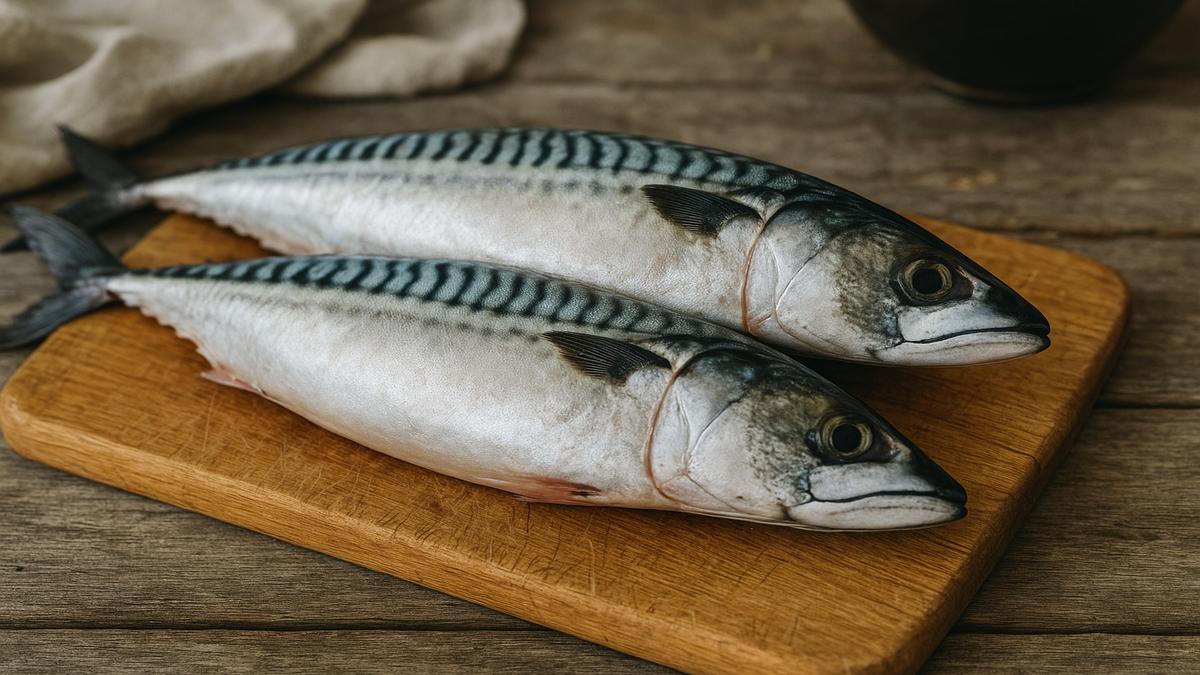
Sardines sit low on the marine food chain. They thrive in large schools, reproduce quickly, and don’t live long. When managed wisely, sardine fisheries can provide a significant amount of nutrient-dense food with a smaller ecological footprint than larger, slower-growing fish. Many environmental advocates encourage a “little fish” approach to seafood: choose species like sardines, anchovies, and mackerel more often, saving the big predators for special occasions.
This shift doesn’t just benefit the planet; it also reframes our relationship with food. Instead of chasing only the rarest cuts and the biggest fillets, we learn to appreciate the everyday richness in what was once overlooked. We begin to think less about status on the plate and more about stories—stories of ecosystems, of coastal communities, of our own bodies quietly thriving on foods that don’t need an advertising campaign to be extraordinary.
In that sense, the sardine revival is less a trend and more a return. A return to eating lower on the food chain, to valuing nutrient density over marketing gloss, to letting flavor sometimes be bold instead of always delicate and tamed. The same fish that once fueled workers, sailors, and families through hard times now offers modern eaters a way to live well without excess.
Next time you’re at the market, look again at that modest tray of silver bodies or the neatly lined cans. Think of the years they spent in the shadows as “budget bait.” Then imagine what it means, in this particular moment in history, for such a humble creature to stand at the crossroads of health, sustainability, and pleasure.
Maybe you slip a tin into your basket for the first time, already picturing toast and lemon. Maybe you ask the fishmonger how he likes to cook them, and his face lights up as he describes charred skins and smoky grills. In that moment, you’re not just buying seafood. You’re quietly casting a vote—for small fish, for big benefits, and for the possibility that the simplest foods might yet surprise us.
Frequently Asked Questions
Are sardines really that high in omega-3s?
Yes. A typical 100-gram serving of sardines can provide around 1.0–1.5 grams of EPA and DHA combined, which is comparable to many salmon servings and considerably higher than most canned tuna. This makes them an efficient, concentrated source of marine omega-3 fats.
Do sardines contain a lot of mercury?
Sardines are generally considered low in mercury because they are small, short-lived fish that feed on plankton rather than other fish. This gives them an advantage over larger species like certain tunas or swordfish, which can accumulate more mercury over time.
What about the bones in canned sardines—do I need to remove them?
The bones in canned sardines are softened during processing and are completely edible. In fact, they are a rich source of calcium. Most people find that the bones practically disappear into the texture when mashed or mixed into dishes.
How many times a week is it safe to eat sardines?
For most healthy adults, eating sardines a few times a week is not only considered safe but potentially beneficial, thanks to their omega-3, protein, and micronutrient content. If you have specific medical conditions or dietary restrictions, it’s always wise to consult a healthcare professional.
Are fresh sardines better than canned?
Both have their strengths. Fresh sardines are wonderful grilled or roasted and can feel more like a restaurant-style experience. Canned sardines are incredibly convenient, affordable, and still highly nutritious, often with added benefits like calcium from the softened bones. Choosing between them is more about taste, access, and how you plan to cook.
What can I do if I don’t like the “fishy” taste?
Start by pairing sardines with plenty of acidity (lemon, vinegar, pickles), fresh herbs, and crunchy textures. Use them in spreads, pasta sauces, or salads where their flavor blends with other ingredients. Many people find that once sardines are combined with bright, fresh components, the strong “fishiness” softens into something deeply savory and enjoyable.
Are sardines a good option for people on a budget?
Very much so. Even high-quality canned sardines are typically less expensive than many fresh fillets, yet they provide impressive nutrition per dollar: protein, omega-3s, vitamins, and minerals all in one. Their long shelf life also means less waste, making them a smart choice for both wallets and weeknight meals.

Hello, I’m Mathew, and I write articles about useful Home Tricks: simple solutions, saving time and useful for every day.