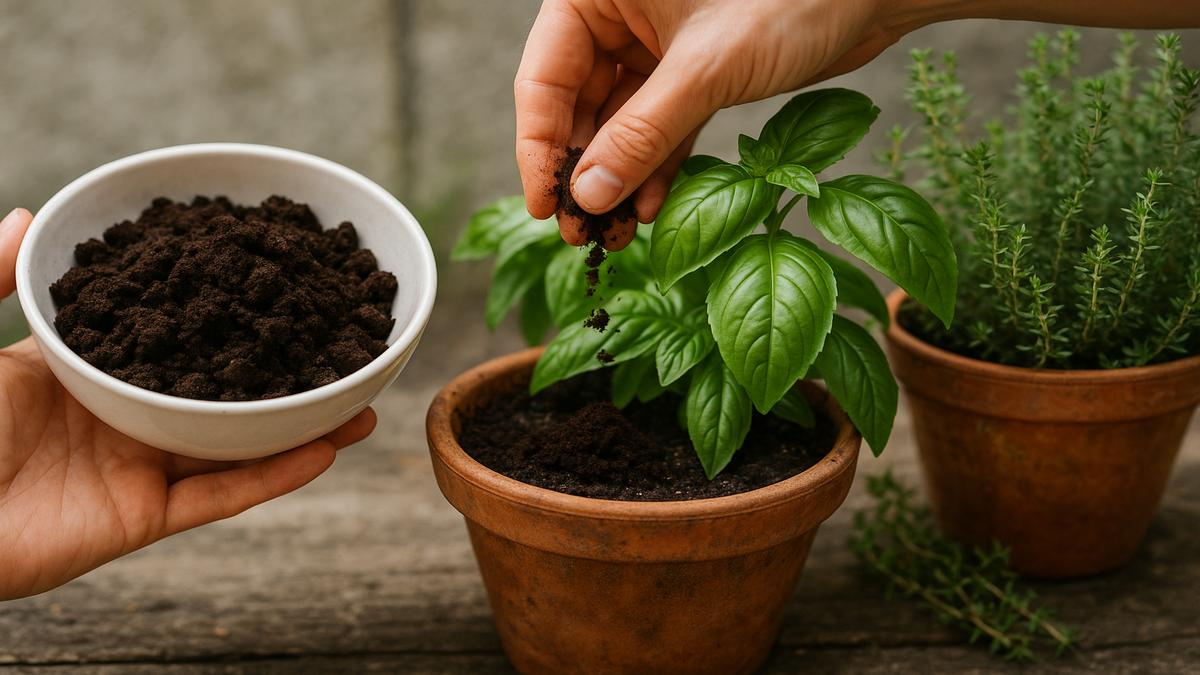
The first time I dumped cold, sludgy coffee grounds into a pot of half-dead basil, I did it out of desperation, not wisdom. The basil had slumped into a dramatic, yellowing pout, its leaves more lace than leaf thanks to a few opportunistic bugs. I’d forgotten to water it, then overwatered it. I’d tried store-bought fertilizer that smelled suspiciously like a public swimming pool. Nothing. But that morning, staring at the spent grounds at the bottom of my French press, something in me rebelled against tossing them in the trash yet again. Instead, I padded over to the balcony in my socks, scattered the dark, damp grounds around the base of the basil, and told it, “Look, this is the best I can do.”
The Morning After the Coffee Experiment
The next day, nothing magical happened—of course it didn’t. The basil still drooped, the leaves still splotchy, the soil still accusing. But over the next week, the changes were subtle, then not so subtle. The leaves didn’t just stop yellowing; they deepened into a richer green. New shoots pushed up from the center, small at first, then bolder, like the plant was cautiously deciding to live again. When I brushed my fingers over the leaves, they released a sweet, peppery fragrance I hadn’t smelled in weeks.
It felt like watching time-lapse footage in slow motion, except this was happening on my balcony, under my distracted care. I hadn’t installed grow lights or ordered any specialized “herb booster” tonic. I hadn’t spent money at all. I’d just taken something I made every single morning—coffee—and refused to let it be waste.
That’s the quiet magic of leftover coffee grounds. You don’t need a gardener’s pedigree or a chemistry set of fertilizers. You just need the stuff that’s already part of your routine, paired with a willingness to look at your wilting herbs and think, “Okay, let’s try something different.”
Because when you step closer, when you really notice, the transformation is not just in the herbs crowding your windowsill—it’s in the way you start to inhabit your mornings, your kitchen, your small patch of green.
Why Coffee Grounds Make Herbs Perk Up
Coffee grounds are not magic—but to thirsty, nutrient-hungry herb plants, they come pretty close. When you brew coffee, you extract a lot of the caffeine, oils, and bright flavors into your cup. What’s left behind in the grounds is a quiet little package of organic matter and minerals, especially nitrogen, that your herbs can slowly feast on.
Nitrogen is the big one here. For leafy herbs—basil, mint, parsley, cilantro—nitrogen is the difference between tired, washed-out foliage and that deep, luminous green you see in cooking magazines. When coffee grounds break down in the soil, they help supply this essential nutrient in a slow-release way that plants love and that’s much gentler than many synthetic fertilizers.
But nutrients are only half the story. Coffee grounds also help:
- Improve soil texture: Mixed lightly into potting soil, they add a crumbly, loose structure that keeps roots aerated.
- Hold moisture without waterlogging: They act a little like a sponge, helping the soil stay evenly moist instead of swinging from bone-dry to swampy.
- Feed soil life: Worms and tiny microbes adore decomposing coffee. They come for the organic matter and, as they move through, they create little tunnels and micro-pathways for air and water.
That’s the underground story you never see. Above the soil, you just notice that the mint you were about to give up on suddenly sends out a confident spray of new growth. The thyme that had gone brittle and woody now smells potent again when you run your hand gently over it. It’s not fancy. It’s just biology doing its slow, steady thing under a thin layer of used coffee.
From Mug to Pot: How to Use Coffee Grounds Without Hurting Your Herbs
Here’s the part many people get wrong: they enthusiastically dump a thick, soggy mat of coffee grounds straight onto their plants and then wonder why everything looks worse a week later. Coffee grounds are powerful allies, but they’re more like seasoning than a main ingredient.
Think of this as a little kitchen-to-garden ritual—something you can do with bare feet on the floor, the morning quiet still lingering, and your herbs just waking up in the windowsill light.
Use Only Brewed, Cooled Grounds
The grounds you want are the ones left after you make your coffee, not the dry stuff from the bag. Brewing takes away most of the acids that could bother your plants. Just let the grounds cool fully before using them; warm compost is fine, hot sludge is not.
Mix, Don’t Smother
Herbs like to breathe. A thick coffee layer on top of the soil can compact into a crust, repelling water instead of helping it soak in. So instead of capping the pot with grounds, treat them like a mix-in:
- Sprinkle a small pinch or two around the base of the plant.
- Lightly work it into the top 1–2 cm of soil with your fingers or a spoon.
- Water gently afterward to help everything settle.
For a small windowsill herb pot, think a teaspoon, maybe a tablespoon of grounds at a time—not handfuls.
Use Coffee as a Slow, Gentle Fertilizer
Instead of a schedule filled with mystery fertilizers and complicated ratios, coffee grounds invite a simpler rhythm. Here’s a quick way to think about how much to use:
| Herb Pot Size | How Much Coffee Grounds | How Often |
|---|---|---|
| Small (8–12 cm pot) | 1 tsp–1 tbsp mixed into topsoil | Every 2–3 weeks |
| Medium (15–20 cm pot) | 1–2 tbsp | Every 2–3 weeks |
| Large (containers or window boxes) | 2–4 tbsp spread and mixed in | Once a month |
You’ll notice the theme: moderation. You’re not trying to turn the pot into a mini compost heap. You’re just topping up, gradually, like refilling a friend’s glass of water instead of dumping a full bucket over their head.
The Small Ritual of Saving Your Grounds
There’s something unexpectedly tender about not wasting what you have. That includes the mundane leftovers of your day—like the coffee grounds that start as fuel for your mind and end up as fuel for your plants.
After a while, saving your grounds becomes its own kind of mindfulness practice. You rinse your mug, swirl out the French press or coffee maker, and instead of tipping everything into the sink or trash, you pause. You grab a small bowl or container on the counter. You tap the thick, fragrant grounds into it. Maybe you catch a mellow, almost chocolaty scent as the steam curls up. You set it aside to cool, knowing exactly where it’s headed.
Some people spread the grounds on a tray or plate to dry so they don’t mold if they’re not used right away. Others keep a covered jar in the fridge and add to it throughout the week. It doesn’t have to be fussy. The point is that you’re slowly shifting the story: morning coffee isn’t just an end; it’s the start of something else living.
On a quiet afternoon, you carry that jar to your plants. The basil that almost gave up on you. The mint that tried to escape the pot. The oregano that smells like summers you wish would last forever. You crumble the grounds gently across the soil, stir them in with your fingers, feel the cool grit on your skin. You water. You watch.
Nothing dramatic happens in that instant. But over days and weeks, the herbs lean toward the light with new confidence. The soil looks richer. You clip stems for dinner and they grow back, fuller. Suddenly, “I’m bad with plants” doesn’t sound true anymore.
Herbs That Love Coffee—and a Few That Don’t
In the world of herbs, not everyone reacts to coffee grounds the same way. Some thrive, soaking up the extra nitrogen for leafy growth. Others prefer leaner, sandier, less pampered conditions. Paying attention to these preferences can turn your kitchen garden from “hit or miss” into “wow, this actually works.”
Leafy Herbs That Usually Respond Beautifully
- Basil: Practically writes you a thank-you note. Coffee-enriched soil often means broader, glossier leaves and more frequent harvests.
- Mint: Already a bit of a show-off, mint grows even more vigorously with the extra nutrients—so use a light hand if you don’t want it taking over.
- Parsley: Slow to start but deeply appreciative, especially in pots that have been using the same soil for a long time.
- Cilantro (coriander leaf): A bit temperamental, but gentle, occasional coffee additions can help keep foliage lush while it’s still in leaf mode.
Herbs That Prefer You Go Easy
- Rosemary: Loves lean, well-drained, almost tough conditions—too much rich organic matter may make it sulk or rot.
- Lavender: Similar to rosemary; more of a Mediterranean minimalist than a coffee enthusiast.
- Thyme and oregano: They’ll tolerate a little, but they don’t need frequent doses. Occasional, very light use is plenty.
One of the small joys in using coffee this way is becoming a better observer. You notice that the basil leaves perk up after a few days, or that your cilantro bolts more slowly when the soil feels rich but not soggy. You also notice when something looks a bit off—a droop that says “too wet,” a pale tinge that says “not enough light”—and you adjust. The coffee is a helper, not a cure-all. Your attention is the real magic ingredient.
Signs You’ve Given Your Herbs Too Much Coffee
Even the best intentions can go sideways if the dose is wrong. Because coffee grounds are still organic matter breaking down over time, overdoing it can tip your soil into a heavy, compacted, or overly rich mess that herbs struggle in. Luckily, the plants will tell you when they’re not happy—you just have to know what to look for.
What Trouble Looks Like
- Soil staying soggy and dense: If water sits on top and takes forever to soak in, you’ve probably added too many grounds or not mixed them in well.
- Leaves yellowing from the bottom up while the soil is wet: Could be a sign of root stress from poor drainage or mild root rot.
- Thin, leggy growth even with dark soil: Your herbs may be missing light rather than nutrients—coffee can’t fix that.
- Moldy, fuzzy patches on thick layers of grounds: A bit of harmless surface mold can happen, but heavy, smelly, persistent growth is a clue you’ve piled them on too thick.
How to Gently Reset
If your enthusiasm has outpaced your herbs’ appetite, you don’t have to toss the whole pot and start over. Try this instead:
- Scrape off some of the top layer of soil where the grounds are concentrated.
- Top up with fresh, plain potting mix or compost.
- Let the soil dry out slightly more between waterings for a week or two.
- Pause the coffee additions and watch how the plant responds.
Very often, that’s all it takes for your herbs to recover their balance. And as you fine-tune, you begin to develop this quiet, intuitive sense of what each pot needs and when. There’s a calm satisfaction in that—no charts, no apps, no exact measurements, just you and the plants, learning to read each other.
From Waste to Lush Windowsill: The Bigger Story
At some point, your herb corner stops looking like a collection of random pots and starts feeling like a little ecosystem. The basil you revive with coffee grounds flavors your pasta. The mint—dark, fragrant, unstoppable—lands in iced tea, in salads, in the water you sip while working. The parsley finishes soups with a bright, fresh edge that dried flakes can’t touch.
And every leaf you pinch off carries a quiet backstory: brewed coffee, saved grounds, soil enriched slowly instead of blasted with chemicals. It’s a tiny act of circular living, right there between your stove and your window.
We live in a world that’s constantly suggesting you need more—more products, more gadgets, more specialized something-or-other to “do it right.” But your herbs don’t know about marketing. They just know what their roots are touching. When that soil is alive, when it’s fed with simple, familiar things like decomposing coffee grounds, they respond.
There’s also a deeper shift that happens in us when we start to see leftovers as beginnings instead of endings. Coffee grounds become not garbage but ingredients. The wilted herb becomes not a failure but a partner in an experiment. You start to see possibility where there used to be a straight line to the trash can.
Some mornings, when the light is soft and the coffee is still hot, you might find yourself standing barefoot in the kitchen, fingers in the soil, scattering a thin halo of grounds around a pot of basil. There’s no fancy label on what you’re doing. No plastic tub, no big promises. Just the slow, steady exchange of life between your daily rituals and the small green things that, somehow, make everything feel more alive.
Your herbs don’t care that it’s “just” leftover coffee. To them, it’s a feast. To you, it’s the simplest kind of alchemy: turning what you already have into something lush, fragrant, and very much alive—no fancy fertilizers needed.
Frequently Asked Questions
Can I use coffee grounds directly on top of the soil?
You can, but only in a very thin sprinkle and preferably mixed into the top layer of soil. A thick layer on top can form a crust, block airflow, and make it harder for water to soak in.
Are fresh, unused coffee grounds okay for herbs?
It’s better to use brewed, spent grounds. Fresh grounds are more acidic and can throw off the soil balance. Brewing removes much of that acidity, making the grounds gentler on your herbs.
How often should I add coffee grounds to my herb pots?
For most potted herbs, every 2–3 weeks in small amounts is enough. Think teaspoons, not handfuls, especially for small pots. Watch how your plants respond and adjust if needed.
Will coffee grounds make my soil too acidic?
Spent grounds are usually close to neutral or only mildly acidic, so in moderation they won’t dramatically change pH. Problems usually come from using too much, not from the acidity itself.
Can I pour leftover brewed coffee on my herbs instead?
A small amount of very diluted, cooled coffee (mixed with plenty of water) once in a while is usually fine, but don’t overdo it. It’s safer and more effective to use the grounds, not the liquid coffee, as a slow-release soil booster.

Hello, I’m Mathew, and I write articles about useful Home Tricks: simple solutions, saving time and useful for every day.