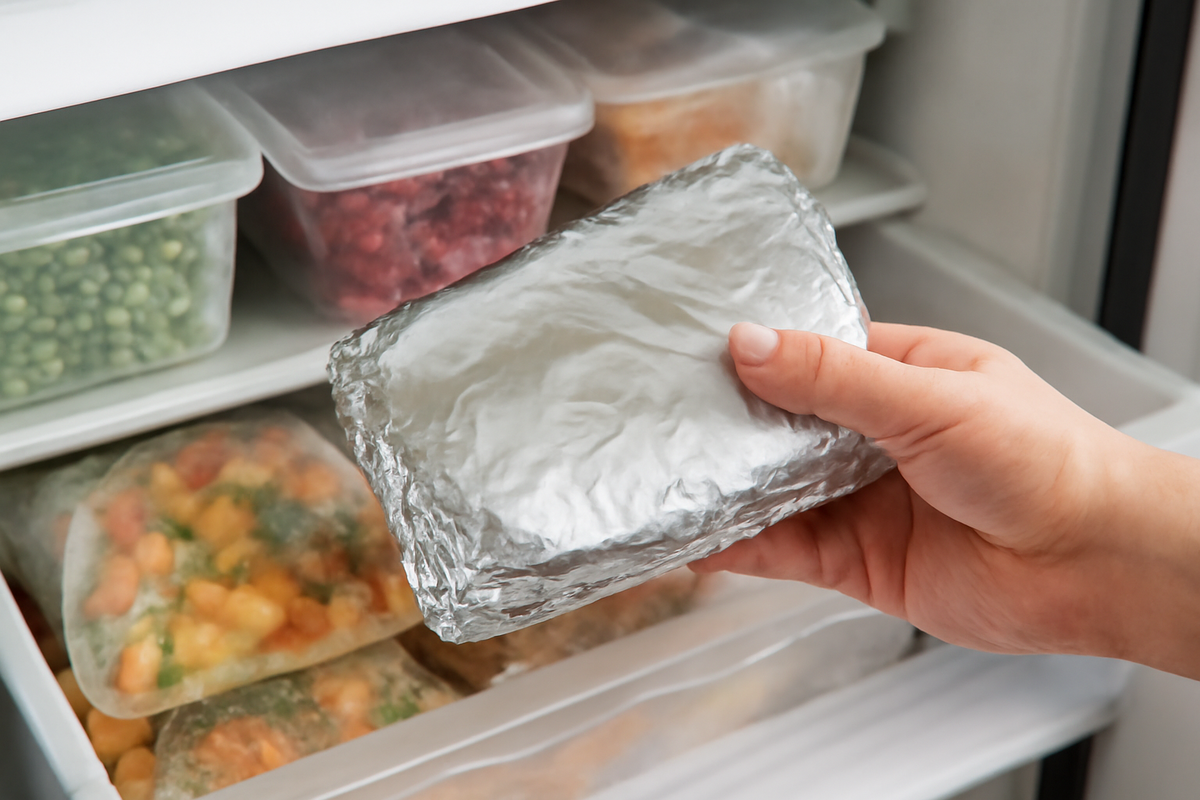
The first time I saw it, I thought my neighbor had lost it. She opened her freezer, and instead of the usual avalanche of frost-covered leftovers and half-forgotten peas, there was a smooth, gleaming wall of aluminum foil. Shelves lined with tightly wrapped packages, ice trays shimmering in silver, even the bottom of the freezer itself tucked neatly under a layer of foil. It looked like some futuristic experiment in cold storage. She just laughed at my expression, cracked an ice cube from a foil-lined tray with an oddly satisfying snap, and said, “Trust me. This stuff changes everything.”
The Quiet Revolution Behind the Freezer Door
Aluminum foil has always been the unsung workhorse of the kitchen. It’s there at the barbecue, tented over roasts, wrapped around potatoes, guarding casseroles like shiny armor. But over the past few years, it’s been quietly slipping into a new role, one that feels oddly intimate: reshaping the way we use our freezers.
Step into enough homes, scroll through enough home-hack forums, or watch a few too many late-night kitchen videos, and you start to notice a pattern. People are lining freezer drawers with foil. They’re wrapping bread loaves in it, tucking foil packets of soup or sauces into corners, even using it to give sad, frostbitten food a second chance at dignity.
Part of the appeal is visual. Open a freezer that’s organized with foil-wrapped parcels and there’s a strange, glacial beauty to it—like a shelf of small, silver planets, each one holding a meal, a snack, or a memory. But what’s really driving this quiet aluminum revolution is something more practical: foil works. Not perfectly. Not magically. But in a way that feels immediately tangible when you open the freezer and don’t get hit by a weird mishmash of smells and freezer-burned surfaces.
Freezers aren’t gentle places. Humidity creeps in with every open door. Ice crystals form, melt, and refreeze. Plastic containers crack, lids warp, and bags half-close when someone is in a hurry. Foil, on the other hand, hugs every corner. It presses close. It makes a sound when you fold it that feels like a promise: I’ve got this covered.
The Science in the Crinkle: Why Foil Works So Well
Pull a sheet of aluminum foil off the roll and it feels deceptively simple—thin, light, almost fragile. But the way it behaves in the freezer is quietly impressive. The secret lies in a combination of barrier power and adaptability.
Unlike many plastics, aluminum foil is essentially impermeable. Air can’t slip through it. Moisture can’t sneak around its edges if you’ve folded them down tightly enough. Wrap a loaf of bread in foil—really wrap it, snug and purposeful—and you’re giving it a better chance at surviving the deep freeze with its crust, its texture, and its soul intact. Double-wrap it with a freezer bag over the foil, and you’ve built a tiny fortress.
Foil also reflects. You can feel it when you touch a cold foil-wrapped dish straight from the freezer; the surface bites at your fingertips, but the contents thaw slowly, controlled, cushioned from the brutality of icy air blasts. That reflective quality doesn’t “heat” or “cool” in any magical way, but it helps regulate how quickly the food inside exchanges temperature with the environment, especially when you’re constantly opening and closing the door.
And there’s the shape-shifting magic. Press foil around a chicken thigh, a half onion, a slice of lasagna, and it molds itself like it was custom-made. No weird air pockets, no forgotten gaps where ice can creep in. There’s a reassuring intimacy to it, like tucking food in for a long sleep and knowing it will wake up more or less as you left it.
Of course, it’s not a cure-all. Foil alone won’t save something that’s been in the freezer for half a year, forgotten behind the ice cream. But it slows down the inevitable: oxidation, dehydration, flavor loss. In a world where we throw away too much food, that slowing-down feels like a small act of resistance.
A Small Table of Big Uses
Here’s a quick look at some of the ways people are putting aluminum foil to work in their freezers, and what those shiny wraps actually help with.
| Use Case | How Foil Helps | Best Practice |
|---|---|---|
| Wrapping bread & baked goods | Reduces freezer burn and flavor loss | Wrap tightly in foil, then place in a freezer bag |
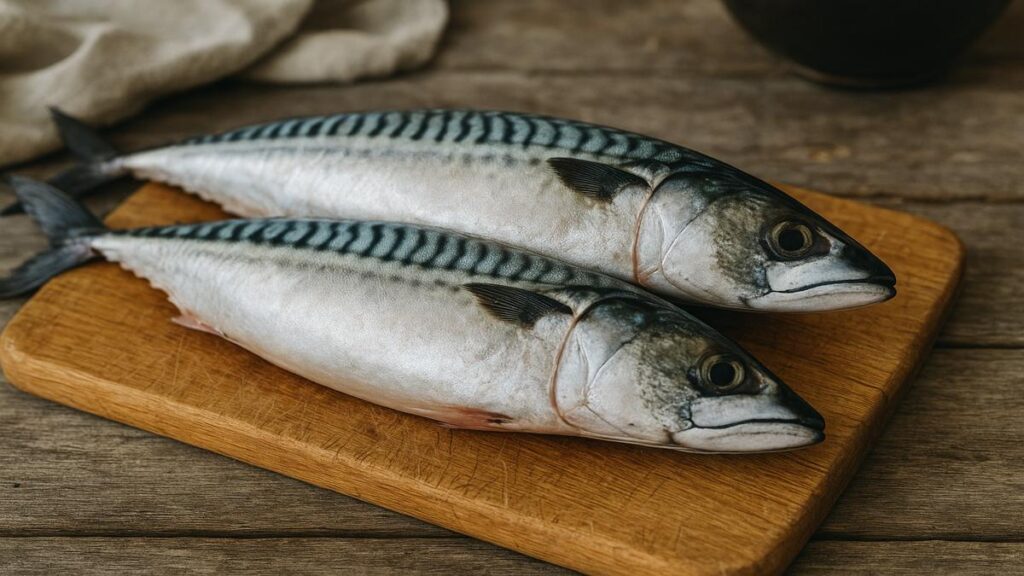
| Portioning meat or fish | Creates airtight, stackable packets | Wrap each portion in foil, label, then box or bag together |
| Lining freezer shelves or drawers | Catches spills and makes cleanup easier | Use heavy-duty foil; replace if torn or heavily iced |
| Freezing casseroles or lasagna | Protects from odor transfer and drying | Cool fully, cover dish with foil, then wrap again if storing long-term |
| Quick-chill trays (berries, herbs) | Provides a smooth, cold surface for fast freezing | Line a tray with foil, freeze in a single layer, then bag |
Inside the Freezer: Stories of Shiny Little Rituals
There’s something oddly intimate about peeking inside someone’s freezer. It’s a snapshot of how they live when no one’s watching. A chaotic jumble of convenience meals? Carefully labeled glass containers stacked like books? Or, increasingly, a quiet shimmer of aluminum catching the light when the door swings open.
In one small apartment kitchen, a young couple uses foil packets as time capsules. Sunday nights, they cook big—sheets of roasted vegetables, trays of marinated chicken, a bubbling pan of enchiladas. When everything cools, they wrap it in foil, tucking in handwritten scraps of paper with simple labels: “Late Tuesday Night,” “Lunch After Long Meeting,” “Emergency Comfort.” The freezer becomes both pantry and promise. On tired evenings, they unwrap a meal like a present, the crinkle of foil sounding like a sigh of relief.
In a farmhouse miles away, an older woman lines the bottom of her chest freezer with heavy-duty foil. “I learned the hard way,” she says, recalling the mess from a leaking container of stock years ago. Now, when something spills or a package of berries splits open during a rummage, she doesn’t have to chip away at sticky ice. She lifts the foil, wipes, replaces. The foil is her quiet insurance policy against chaos.
Some people swear that foil is the only thing that keeps their homemade bread from turning into a ghost of its former self. They slice loaves, double-wrap, push the air out with determined hands, then stack the neat, silver bricks. There’s a certain pleasure in that orderliness. In a world that can feel unpredictable, a row of perfectly wrapped bread slices is a reminder that not everything has to be complicated.
Even small gestures start to matter. A single banana bread slice wrapped in foil so a future self can find it on a cold afternoon. A handful of leftover herbs flattened between two sheets of foil, frozen, and later crumbled into a simmering soup. The freezer, often an afterthought in the kitchen, becomes an active part of daily living—a space you collaborate with, rather than just stuff and forget.
Doing It Right: Simple Habits That Make Foil-Freezing Actually Work
Of course, there’s a difference between a thoughtful foil wrap and a half-hearted scrunch. The magic isn’t in the material alone; it’s in how you use it. Over time, the people who swear by foil in the freezer tend to develop a handful of small rituals that make all the difference.
They let things cool first. That’s one of the big ones. Pack a steaming casserole under foil and pop it straight into the freezer and you’re inviting condensation, ice crystals, and disappointment. Let it come to room temperature. Then wrap. Then freeze. It feels slower in the moment, but it buys you better texture later.
They wrap like they mean it. No loose ends. No casually folded corners. Foil works best when it’s pressed tight against the food, hugging curves, smoothing over edges. Press the air out before sealing. For longer storage, many people double down: foil first, then a freezer bag or a lidded container. The foil shapes itself to the food; the outer layer protects it from rough handling and wandering smells.
Labeling is another quiet act of kindness to your future self. Foil is opaque, which gives it its strength—but it also turns your freezer into a guessing game if you’re not careful. A permanent marker scrawled across the top or a small piece of tape with the contents and date turns mystery parcels into a menu.
There’s also a subtle awareness about what not to wrap in foil for the freezer. Highly acidic foods—like certain tomato sauces or citrusy marinades—are better tucked into glass or plastic before being foil-covered, so they don’t sit in direct contact for weeks. Long-term storage of anything isn’t perfect in foil alone; pairing foil with a proper container or bag keeps metal taste and freezer-burn at bay for months instead of weeks.
A Little Sensory Theater Every Time You Open the Door
Beyond the practicalities, there’s a sensory aspect to all of this that’s hard to ignore. The sound of foil tearing—a sharp, steady rip. The way it folds, creases, crackles. The soft, stiff resistance when you smooth it around the rim of a dish. Even the cold that races through it when you pull a wrapped package from the freezer, a quick bite against your fingertips.
These small, tactile details matter. They turn the act of prepping food for the freezer from a chore into something more mindful, almost meditative. You’re not just tossing leftovers into a void; you’re packing them gently for a journey through time. You’re acknowledging that your future self will be hungry, tired, maybe grateful for the care you put in today.
Balancing Convenience, Waste, and Care
No conversation about aluminum foil should skip the uncomfortable part: it’s disposable. It’s mined, produced, used, and often thrown away. As foil gains new popularity in home freezers, plenty of people are asking the same question: Is this really worth it?
The answers are rarely simple. For some, the calculus is straightforward: using foil to protect food that might otherwise end up in the trash feels like a trade-off worth making. Saving an entire loaf of bread from freezer burn, or keeping portions of meat usable for months, can mean fewer grocery trips, less waste, and more respect for the resources that went into those foods.
Others take a middle path. They reuse foil that hasn’t torn or been contaminated. A sheet that once lined a tray of cookies goes on to line a freezer shelf. A piece that covered the top of a lasagna becomes a barrier between stacked containers. Creased, softened, slightly dulled foil can live many quiet lives before it’s finally retired.
Some pair foil with more durable tools—glass containers for soups and stews, silicone bags for repeated use—but still turn to foil for those in-between tasks where nothing else works quite as well: wrapping irregular shapes, lining awkward corners, separating layers of delicate pastries.
There’s also a mental shift happening. People who love the foil-in-the-freezer trick are often the same people who are learning to freeze with intention rather than impulse. They group things; they plan; they use what they’ve stored. That intentionality can mean fewer forgotten containers mummified in ice. In that sense, foil becomes not just a barrier against frost, but a tiny, shimmering symbol of care—for the food, for the planet, for the people who’ll eventually eat it.
From Trend to Quiet Tradition
Will aluminum foil in the freezer still be a “hack” in ten years, or will it just be one more normal, invisible part of how we cook and live? It’s hard to say. Many of the best kitchen habits start as whispers—someone’s grandmother’s trick, a neighbor’s method, a friend-of-a-friend idea—and slowly become the new baseline.
Already, you can see the shift. People who once rolled their eyes at the idea are now defending it with near-religious zeal. “You don’t wrap your bread in foil before freezing? You have to try it.” The sharing is low-key, almost conspiratorial: a suggestion tossed over a sink full of dishes, a side comment under a recipe video, a quiet tip from one home cook to another.
That’s part of what makes this trend feel different from so many flashy hacks that blaze across social media and burn out in a week. It’s not about showing off. No one is posting glamorous photos of their foil-lined freezer and going viral. Instead, it’s about lived-in usefulness. It’s about the small feeling of relief when you pull out a foil-wrapped dish that actually tastes the way you remember.
Maybe that’s the real charm of aluminum foil in the freezer. It doesn’t ask for attention. It just waits silently on its roll, ready to step in when you decide that the leftovers from tonight deserve to be as good next week as they are right now. Ready to help turn your freezer from a graveyard of good intentions into a quiet archive of meals, moments, and future comforts.
FAQs About Using Aluminum Foil in the Freezer
Is it safe to freeze food directly in aluminum foil?
Yes, it’s generally safe to freeze most foods directly in aluminum foil. For very acidic foods (like tomato-heavy sauces or citrusy marinades), it’s better to put them in a glass or plastic container first, then cover with foil to avoid possible metal taste over long storage.
How long can foil-wrapped food stay in the freezer?
For best quality, aim for 2–3 months with foil alone, and up to 4–6 months if you combine foil with a freezer bag or airtight container. The food may remain safe longer, but texture and flavor start to decline.
Can I reuse aluminum foil that’s been in the freezer?
Often, yes. If the foil isn’t torn, heavily crumpled, or contaminated with food residue, you can gently flatten and reuse it—for lining trays, covering dishes, or padding between stacked containers.
Does foil prevent freezer burn completely?
Not completely, but it significantly reduces the risk when used correctly. Wrapping tightly, eliminating air pockets, and pairing foil with a freezer bag or container for longer storage offers the best protection.
Should I line my entire freezer with foil?
You don’t need to line every surface. Many people simply line shelves or the bottom of drawers with heavy-duty foil to catch spills and make cleanup easier. Replace the foil if it tears, traps too much ice, or gets dirty.
Can I put foil-wrapped food straight into the oven from the freezer?
For many dishes, yes—as long as your recipe and cookware are oven-safe. Foil is commonly used for freezer-to-oven casseroles or baked pasta. Always check that your dish can handle the temperature and adjust cooking time since frozen food needs longer to heat through.
Is foil better than plastic bags for freezing?
They serve different purposes. Foil is excellent for shaping around irregular foods and blocking light and air. Plastic freezer bags are great for flexible storage and visibility. Many people use both: foil around the food, then a labeled freezer bag outside for extra protection.

Hello, I’m Mathew, and I write articles about useful Home Tricks: simple solutions, saving time and useful for every day.