The first thing that hits you is the smell. Butter and garlic and something sizzling on high heat, the clatter of pans, the low hum of conversation layered over music that’s just a bit too loud. You’re hungry, already rehearsing your order before you even see the menu. Maybe you’ll get the house special. Maybe the “famous” dish with the little flame icon beside it. After all, if it’s popular, if everybody orders it, it’s probably good… right?
Spend a little time talking to chefs off the record, though, and a different story starts to simmer beneath the surface. There are dishes they dread seeing on the ticket machine, plates that make them wince because they know what happens behind the scenes: shortcuts, old habits, tired ingredients pressed into service one more time. These are the things they quietly wish you wouldn’t order — not because they’re snobs, but because they know you could do so much better.
When “Most Popular” Isn’t “Best Choice”
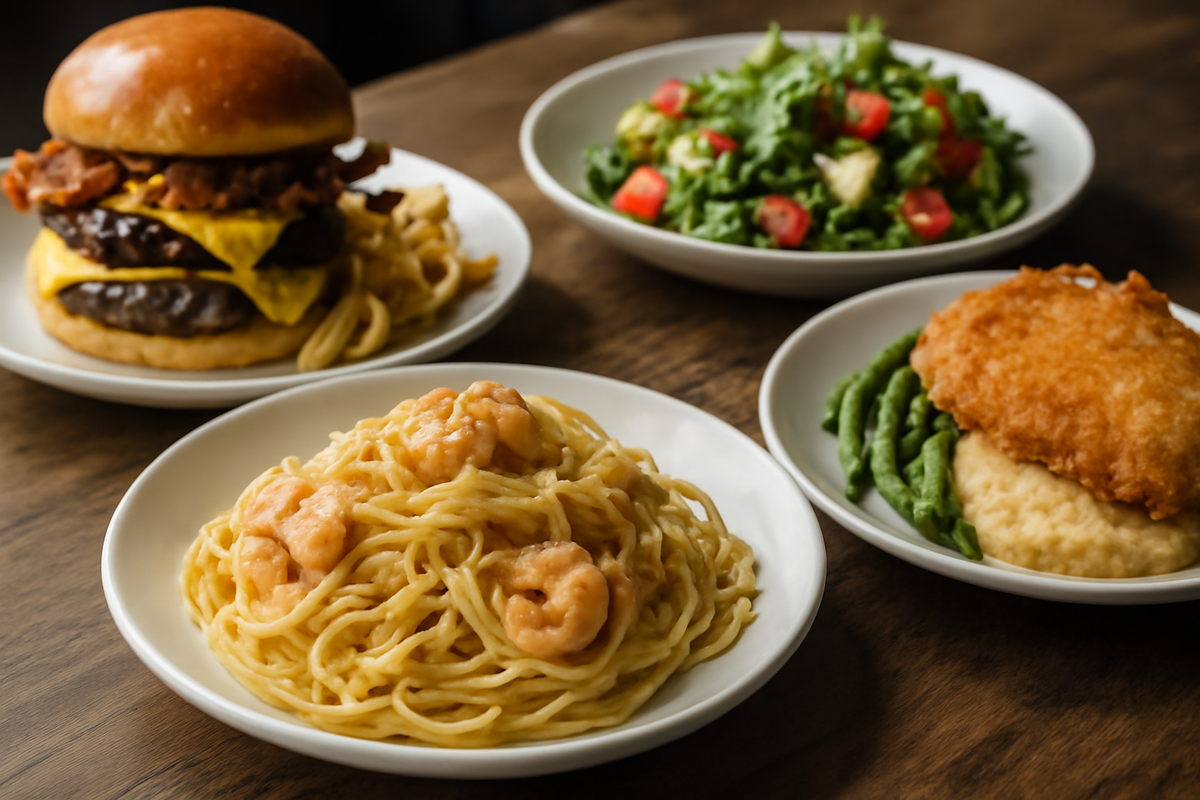
In a dimly lit dining room somewhere, a server glides up to a four-top and launches into the specials. At another table, a couple hunches over their phones, scrolling reviews and photos, hovering over the same reliable orders that always feel safe: the creamy pasta, the volcano of nachos, the thick burger with everything. These are the restaurant comfort blankets we reach for without thinking.
In the kitchen, though, “popular” often means “overworked.” It’s the dish that never gets to rest, the one that has to be batch-prepped early and reheated later, or assembled from components that were made days ago. For a line cook on a slammed Saturday, the nightmare isn’t the weird seasonal special; it’s twenty orders of the same bloated crowd-pleaser marching in at once.
Chefs will tell you, when the dining room fills and the printer rattles nonstop, it’s the popular dishes that get the most compromises. That thick, comforting sauce needs shelf life. That fried favorite has to hold its crunch under a heat lamp. The more people order it, the more the restaurant must standardize it — and the further it can drift from the fresh, made-with-care food you thought you were getting.
So, what exactly are these landmine menu items? Below are ten dishes that many chefs quietly wish you’d skip — and the reasons why you might want to rethink them the next time you’re drawn to the same familiar names.
1. The Overloaded Appetizer Sampler
It arrives like a ship of excess: wings piled against mozzarella sticks, onion rings leaning into jalapeño poppers, a ramekin of congealing spinach dip listing in the middle. Everyone at the table cheers, snaps photos, reaches for something fried first. That sampler platter is a social ritual — but in the kitchen, it’s often a patchwork of problems.
Chefs quietly groan when a sampler ticket prints. Each item usually comes from a different frozen bag or pre-made tray, each with its own cook time. To get them all out together, corners get cut: fries go in too early, rings come out too late, something must sit just long enough to lose its crisp soul. It’s a plate engineered for convenience, not for flavor.
Most of the components are designed for longevity, not vibrancy. That spinach-artichoke dip? Likely a reheated batch made days ago and thickened to survive rushes. The wings may be par-cooked and held, waiting to be quickly fried again. You’re not tasting the chef’s skill; you’re tasting the industrial food system in its beige glory.
Better move:
Skip the sampler and commit to one or two appetizers the kitchen actually cares about — something grilled, roasted, or raw that can’t just come from a freezer box.
2. Well-Done Steak (and the Cheapest One on the Menu)
Somewhere on the line, a cook flips a steak and sighs; the ticket says “well-done.” They’ll do it, of course, but they know what’s coming: a dry, tense hunk of meat that will never be as good as it could have been. And if you’ve gone for the lowest-priced cut and asked it to be cooked into submission, the chef’s heart sinks even further.
Restaurants are businesses. The cheapest steaks are where less-desirable cuts often end up. These can still be delicious — but only if they’re treated gently. Ask for well-done, and the kitchen has little room to protect texture or nuance. To weather the extra time on the heat, some places will reinforce those cuts with tenderizers, brines, or heavy marinades. The flavor you taste may come less from the beef and more from whatever was pumped into it.
Many chefs confide that the most overcooked steaks are also the most likely to be the “catch-all” for odds and ends: thinner cuts, uneven pieces, the ones that won’t pass for a rosy mid-rare showpiece. It’s functional, and not necessarily unsafe, but you’re not getting steak at its best.
Better move:
If you like your meat thoroughly cooked, consider braised dishes — short ribs, stews, or slow-cooked roasts. They are meant to be cooked long and slow and often showcase the chef’s deepest talents.
3. Mussels and Shellfish Specials Late in the Week
The bowl looks beautiful: black shells yawning open in a fragrant steam of wine and herbs, a Sudden Ocean Moment in the middle of a landlocked city. Dunking bread into the broth feels luxurious. Yet many chefs quietly note a rule of thumb: be wary of shellfish specials late in the week, especially in places far from the coast.
Seafood has a clock on it. Even under perfect conditions, it’s highly perishable. Most restaurants receive deliveries on specific days. The early-week mussels might be perfect, glistening and tight-shelled. By Thursday or Friday, the ones still lingering around need somewhere to go — often into discounts, specials, or heavy sauces that mask aging flavors.
Is it always bad or dangerous? No. Many restaurants have superb seafood handling. But enough chefs have seen mussels clinging to their last good hours to suggest a quiet caution: if the restaurant doesn’t specialize in seafood, and the shellfish special appears in the back half of the week, ask gently about when it arrived — or choose something else.
Better move:
Order mussels and other delicate shellfish early in the delivery cycle, or choose them at restaurants known primarily for seafood with high turnover.
4. Chicken Breast Entrées Drowned in Cream Sauce
It sounds harmless, even virtuous: grilled chicken breast with a creamy sauce, maybe with mushrooms or sun-dried tomatoes. It feels like the safe compromise between “I want something nice” and “I should be sensible.” But many chefs will quietly tell you that the chicken breast in cream is the menu’s least-loved child.
Why? It’s the ultimate “obligation dish” — there for picky eaters and office parties, not for inspiration. Chicken breast dries out quickly, so it’s often brined, pre-cooked, or held in warming pans. The heavy cream sauce serves a purpose: to moisten and mask. When kitchens are slammed, it’s one of the easiest plates to assemble — which often means it’s also the least interesting, least cared-for dish.
On a menu full of seasonal, expressive food, the chicken-in-cream can be the one static, tired main that never quite gets the same attention. You’re paying restaurant prices for a dish that’s often just a dressed-up version of something you could make better at home.
Better move:
Seek out chicken thighs in braises or roasts, or choose poultry dishes that highlight crisp skin or bold spice instead of relying on a generic cream blanket.
5. Daily “Bottomless” Brunch Items
Brunch, at first glance, looks like a dream: bottomless this, unlimited that, piles of potatoes, rivers of hollandaise. But when a dish is designed to be endless, something else tends to run out: finesse.
In the back, eggs are often cracked in advance into big containers. Hollandaise sits in warmed vessels longer than it should. The potatoes, the pancakes, the bacon — they’re made for volume, not beauty. Bottomless or buffet-style brunch dishes are often cooked in large batches and left to wait for their destiny under heat lamps or in warming pans.
Chefs will tell you: brunch is a survival shift. The dishes that can be prepared ahead will be. The result can be rubbery eggs, limp waffles, and sauces that have split and been coaxed back together more than once. The most popular brunch plates may be moneymakers, but they’re rarely the best expression of what the kitchen can do.
Better move:
Order from the made-to-order side of the brunch menu. Look for items that clearly must be cooked fresh — a single skillet dish, a seasonal scramble, or anything that arrives in its own little pan or baking dish.
6. The “House Special” Burger Loaded with Toppings
Burgers can be a thing of beauty — simple, precise, and deeply satisfying. But the towering “house special” with three cheeses, two sauces, bacon, an egg, onion rings, and something fried on top? Many chefs will tell you this is less a burger and more a culinary costume party.
All those toppings do something sneaky: they distract. If the meat isn’t exceptional, if the bun isn’t great, if the patty is pre-formed and shipped in, you might not notice under a flood of salt and fat and sugar. The beef can be cooked in bulk, held in warmers, and finished on the grill, with the avalanche of garnishes doing most of the flavor work.
The more elaborate the burger, the more likely it is that it’s built for social media, not for eating. In the kitchen, cooks juggle timing hundreds of components, often defaulting to speed over care. You get a leaning tower of Almost, dripping enough sauce to make you forget that the actual burger — the heart of the thing — is just okay.
Better move:
Choose the simplest burger with quality meat and minimal toppings. It’s harder to hide poor ingredients when there’s nowhere for them to disappear.
7. “Famous” Molten Lava Cakes and Other Factory Desserts
The server leans in with a practiced smile: “You have to try our famous molten lava cake. It’s our most popular dessert.” Somewhere, a chef frowns — because they know “famous” doesn’t necessarily mean “made here.”
Many popular desserts in chain and mid-level restaurants are produced in central factories, shipped frozen, and reheated to order. That lava cake you imagine being lovingly baked in a back corner oven is often a pre-portioned puck with very specific microwave and bake instructions. It will be consistent, yes. It will ooze, yes. It will rarely taste alive.
Cakes, cheesecakes, brownie towers, even crème brûlée sometimes arrive ready-made. For the kitchen, they’re an efficient way to offer sweets without labor. For you, they’re a mark-up on something that may have traveled farther and waited longer than anything else on your table.
Better move:
Ask which desserts are made in-house, or gravitate to simpler things that are more likely to be prepared fresh — a seasonal fruit dessert, a house ice cream, or a single pastry the chef is proud of.
The Dishes Chefs Whisper About
When you zoom out, a pattern emerges. The dishes chefs quietly warn you away from are rarely the weird ones or the bold experiments. They’re the safe bets, the high-volume workhorses, the crowd-pleasers that must be built for speed and durability. It’s not that they’re all terrible; it’s that they’re often the furthest from what restaurants do best when they’re cooking with attention and care.
To make this easier to see at a glance, here’s a quick breakdown of those ten caution-flag dishes and why industry insiders often nudge you elsewhere:
| Dish to Rethink | Why Chefs Avoid It | Smarter Alternative |
|---|---|---|
| Appetizer sampler platters | Mostly frozen, batch-fried, and timed poorly under pressure. | One or two focused starters the kitchen clearly makes fresh. |
| Cheapest, well-done steak | Lower-quality cuts cooked until dry, often heavily marinated. | Mid-range steak cooked to medium, or slow-braised beef dishes. |
| Late-week mussels & shellfish specials | Higher risk of older product, especially far from the coast. | Seafood early in the week or from a true seafood-focused spot. |
| Chicken breast in heavy cream sauce | Often pre-cooked, dry, and masked with generic sauce. | Bone-in or thigh dishes, roasted or braised with character. |
| Bottomless brunch standards | Batch-cooked, held warm, and made for volume over quality. | Made-to-order brunch plates and smaller, focused menus. |
| Overloaded “house special” burgers | Toppings hide mediocre meat and rushed cooking. | Simple burgers that highlight good beef and a solid bun. |
| Factory-made lava cakes & towers | Often frozen, reheated, and heavily marked up. | Desserts made in-house or based on seasonal fruit. |
| Complex sushi rolls with lots of sauces | Sauces can mask less-than-stellar fish or rice. | Simple nigiri, sashimi, or classic rolls that spotlight freshness. |
| Nachos piled into a mountain | Uneven heating, soggy centers, cheap cheese and toppings. | Smaller, layered portions or shareable tacos and small plates. |
| All-you-can-eat deals (especially seafood) | Emphasis on quantity, not quality; heavy use of cheaper product. | Single well-chosen entrée made with evident care. |
8. Sushi Rolls Drenched in Sauces and Crunch
At the sushi bar, there are two types of orders that make chefs read between the lines. One is the person who chooses a few simple pieces of nigiri, maybe a maki or two. The other is the person who orders the most maximalist roll on the menu: spicy mayo, eel sauce, tempura crunch, cream cheese, avocado, and three kinds of fish all wrapped into one exuberant log.
Those elaborate rolls are fun — but many sushi chefs will tell you they are also the easiest way to hide mediocre rice or so-so fish. When the rice isn’t perfect or the tuna is edging past its ideal shine, you can cover a lot with chili sauce and fried bits. On a busy night, assembling these complex creations is time-consuming, and consistency slips.
Simple sushi demands excellence. There is nowhere to hide a dull knife, gummy rice, or fish that’s seen better days. When you choose simple, you’re asking to meet the restaurant at its most honest — and most of the time, that’s when sushi is at its unforgettable best.
9. Nachos Built as Giant Edible Monuments
They land with a soft thump that makes the table gasp: a mountain of tortilla chips dripping with cheese, beans, meat, jalapeños, sour cream, salsa, guacamole — the works. They are built to be shared and photographed, but rarely built to be truly good.
Ask almost any line cook: nachos are a structural nightmare. The top layer may look glorious, but the middle becomes a swamp of steam and sogginess, the bottom a pile of dry chips that never met a drop of cheese. To keep everything from disintegrating, many kitchens use cheaper, more processed cheese sauces that stay liquid longer, sacrificing flavor for stability.
Add in pre-cooked meats held in warming containers, pre-shredded cheese that doesn’t melt cleanly, and guacamole that may have met preservatives, and you get a dish that’s more spectacle than craft. It fills you up, yes. But it rarely satisfies the way great cooking can.
10. All-You-Can-Eat Anything (Especially Seafood)
The phrase “all you can eat” lights up a very specific part of the brain — the one that loves a deal, that wants abundance above all else. For chefs, though, it often signals a different story: cost-cutting, shortcuts, and a relentless emphasis on volume.
To make bottomless plates profitable, restaurants lean hard on cheaper ingredients: lower-grade cuts of meat, smaller shrimp, farmed fish of the most economical kind. The focus becomes managing waste and speed, not coaxing beauty from great product. When seafood is involved, this can get especially dicey: overcooked shrimp held too long, fish battered and fried to disguise its age, crab that’s more filler than flesh.
Eating “all you can” often means eating all the corners that were cut, too. You walk away full, but not necessarily nourished — and you miss out on the kind of dish that hits you with that quiet, radiant sense of “this was worth it.”
How to Order Like Someone the Chef Secretly Respects
In the end, avoiding these ten dishes isn’t about snobbery. It’s about alignment — choosing the things that let a restaurant do what it does best instead of what it does just to get by. Chefs notice the guests who order with curiosity, who ask what’s fresh, who skip the obvious traps in favor of the plates the kitchen clearly loves.
You don’t have to interrogate anyone or turn dinner into an investigation. Just look for the clues: seasonal ingredients, shorter menus, dishes that change often. Ask a simple question or two: “What are you excited about today?” “What’s made in-house?” The answers will nudge you toward food that’s alive, not just assembled.
The next time you sit down and reach automatically for that overloaded sampler or that lava cake everyone on social media raves about, pause. Somewhere in the kitchen, someone is searing something with intention, plating a dish that never quite gets the spotlight because it doesn’t scream the loudest on the menu. That’s the plate the chef wishes you’d meet. That’s where the real story is.
FAQ
Are these dishes always bad, no matter where I go?
No. A great, chef-driven restaurant can make almost anything delicious. These dishes are red flags mainly because, across many average spots, they’re where shortcuts and lower-quality ingredients most often hide.
How can I tell if a restaurant makes desserts or dishes in-house?
You can simply ask your server, “Which desserts (or dishes) are made here from scratch?” Staff usually know and are happy to point you toward what the kitchen is proud of.
Is it rude to ask about seafood delivery days or freshness?
Not if you’re polite and brief. A question like, “When do you usually get your mussels or fish in?” is reasonable. Their answer can guide your choices without putting anyone on the defensive.
What should picky eaters order if they avoid these “safe” dishes?
Look for simple preparations with fewer components: grilled fish, roasted chicken with vegetables, a straightforward pasta featuring seasonal produce, or a modest burger made with good meat.
Does avoiding these dishes mean my meal will be more expensive?
Not necessarily. Often you’re just swapping one mid-priced item for another. In many cases, a simpler, ingredient-focused dish at the same price point will give you much better value and a more memorable experience.

Hello, I’m Mathew, and I write articles about useful Home Tricks: simple solutions, saving time and useful for every day.