The first time I tasted it, I thought someone had made a mistake. How could anything this bright, this tender, this unapologetically “green” possibly be good for me—let alone better for detox than kale? The leaves snapped gently between my fingers, releasing a scent like rain on hot stones and fresh-cut herbs. On my tongue, it was summer: citrusy, grassy, slightly sweet, with none of kale’s bitter edge. I went back for another bite, then another, as the farmer across the stand watched me with a knowing half-smile. “That,” she said, leaning on a stack of wooden crates, “is watercress. Old-school stuff. Stronger than kale, but gentler on your plate.”
The Forgotten Green Hiding in Plain Sight
You’ve probably walked past it without even seeing it. A messy tangle of small dark-green leaves and thin stems, often sold in humble bunches or shallow baskets, watercress doesn’t have the billboard charm of kale’s ruffled fronds. It’s not trendy the way kale once was, splashed across juice bars and wellness blogs as the crowned king of detox. Instead, watercress waits patiently, like some quiet understudy who has memorized every line, every cue, while the star hogs the spotlight.
But before kale became a meme, watercress was the original leafy superstar. Victorian street vendors sold it in Europe as “poor man’s bread,” because it was cheap, filling, and shockingly nutritious. Roman soldiers were said to eat it before battle. Traditional healers used it to “clean the blood,” relieve coughs, and spark sluggish appetites. The plant has always carried this aura of sharpness, of clarity—like a plant that knows how to cut through fog.
And here’s where things get interesting. Modern nutrition research has quietly circled back to watercress and confirmed what old herbalists suspected: this modest creek-dweller doesn’t just hold its own against kale, it outpaces it on several fronts. Higher on nutrient density charts? Yes. Packed with specific compounds that nudge your detox systems into action? Absolutely. Yet it hasn’t become the new avocado-toast level obsession. Maybe that’s the beauty of it. Watercress still feels undiscovered, like a secret passed hand-to-hand in the aisles of the farmer’s market.
The Science of a “Clean Slate” Green
Detox is one of those words that gets tossed around until it sounds more like marketing than biology. Your body, of course, is detoxing all the time—mostly through your liver, kidneys, lungs, skin, and lymphatic system. Food can’t “detox” you in the sense of erasing a weekend of midnight pizza and too little sleep. But some foods can provide the raw materials and biochemical nudges that help your natural detox pathways work more efficiently.
Watercress happens to be one of those foods that punches above its weight. It belongs to the brassica family alongside kale, broccoli, and arugula, but it’s a bit of a rebel cousin. Where kale is dense and earthy, watercress is crisp and peppery, almost shy in appearance but not in impact. Scientists rank it at the very top of “powerhouse” fruits and vegetables—those packed with vitamins, minerals, and phytochemicals linked with disease prevention and cellular protection.
What makes it stand out? Picture your liver as a complex, humming factory. Its job is to transform things that could be harmful—pollutants, alcohol, remnants of medications, even your own spent hormones—into water-soluble, less harmful forms that can be ushered out through urine or bile. This process happens in two main stages, often referred to as Phase I and Phase II detoxification. To run smoothly, those phases need a steady stream of nutrients and specific plant compounds.
Watercress is rich in compounds known as glucosinolates. When you chew the leaves, these transform into isothiocyanates—sharp-tasting molecules that signal your body to ramp up detox enzymes in the liver. One of these, called PEITC (phenethyl isothiocyanate, if you like saying long words), has been studied for its ability to help neutralize potential carcinogens, especially those from tobacco smoke and grilled meats. It’s like sliding a few extra workers into that liver factory, handing them better tools, and flipping on brighter lights.
Then there’s the vitamin and mineral story. Leaf for leaf, watercress is dense with vitamin K (for healthy blood and bones), vitamin C (for collagen and antioxidant support), vitamin A precursors (good for eyes and skin), and a whisper of vitamin E. It brings along calcium, magnesium, and potassium too. On paper, it reads like a multivitamin. On the plate, it tastes like a breeze coming off a cold river. Kale is still excellent—but in terms of nutrient concentration relative to calories, watercress often edges ahead.
Why It Tastes Like Summer—And Not Like Punishment
There’s a reason so many people have a complicated relationship with kale. For all its benefits, kale can feel like homework. You massage it, you marinate it, you drown it in dressing, and sometimes it still chews back. Watercress is the opposite: a little wild, a little delicate, and completely ready to eat with almost no effort. You rinse it, shake off the droplets, and it’s already vibrant, already awake.
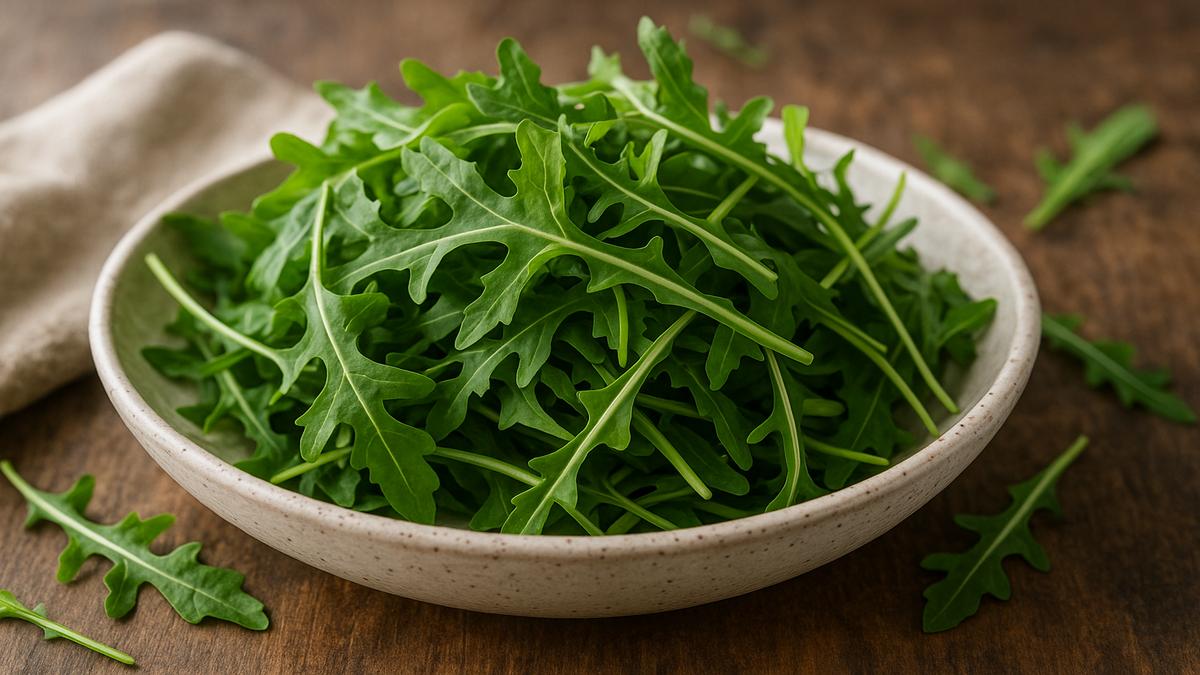
Bring a bunch of watercress to your nose. It smells green in the most joyful way: sharp and lively, with a hint of pepper and wet stone. On your tongue, the first notes are fresh and cooling, like biting into a cucumber that decided to go to culinary school. Then, a peppery warmth blooms at the back of your throat—not as aggressive as arugula, not as bitter as kale. More like a wink than a punch.
That flavor comes from the very same sulfur-based compounds that help support detox. It’s your biology talking back, in taste form. What makes watercress magical is how easily it slips into everyday dishes without stealing the show. Toss it into salads and it lifts the whole bowl, like opening a window in a stuffy room. Fold it into sandwiches where lettuce once lived, and suddenly lunch has a personality. Scatter it over hot soup at the last second and it wilts just enough, releasing a drift of fragrance that says: someone cared while making this.
Think of the foods that spell “summer” for you. Maybe it’s a tomato still warm from the sun, or a wedge of melon eaten over the sink. Watercress belongs in that family of immediacy. It doesn’t want to be stored and forgotten. It wants to be rinsed in cold water, shaken in a colander, and eaten the same day you bring it home. That urgency is part of its charm. You don’t meal-prep watercress so much as invite it into the moment.
Simple Ways to Eat More Watercress (Without Turning It Into a Chore)
Because its stems are thin and tender, you can eat almost the entire plant raw. A few ideas that fit real lives, not just glossy photos:
- Quick salad upgrade: Swap half your usual lettuce for watercress. Add lemon, olive oil, salt, and a handful of toasted seeds. Done.
- Green on toast: A slice of sourdough, a smear of hummus or ricotta, and a dense handful of watercress on top. A squeeze of lemon and cracked pepper, if you like drama.
- Soup finisher: Any vegetable or chicken soup becomes fresher when you drop in watercress just before serving. It softens but doesn’t disappear.
- Blended into smoothies: A small handful, paired with pineapple, mango, or orange, vanishes into tropical sweetness while quietly doing its detox work in the background.
Unlike kale, you don’t need to marinate, massage, or negotiate with it. Watercress seems to understand that life is already complicated enough.
Detox, But Make It Real
Detox has become a word tangled in extremes: week-long juice fasts, powders with fluorescent labels, “miracle cleanse” promises that quietly ignore how the body actually works. Watercress offers a different story—one that lives in the quiet middle, where science and tradition still talk to each other.
In the lab, watercress extracts have been studied for how they interact with toxins, supporting enzymes that help disarm them. That’s interesting—but the more meaningful story happens in your kitchen and on your plate. When you eat watercress regularly, in the company of other whole foods—beans, whole grains, colorful vegetables, clean proteins—you’re feeding the system that already knows how to clean house.
Those isothiocyanates we talked about? They don’t just prod your liver. They also act like tiny bodyguards for your cells, helping reduce oxidative stress, that steady rusting of life that accelerates with pollution, processed foods, and chronic stress. The vitamins and minerals in watercress feed the enzymes that knit tissue together, repair microscopic damage, and keep your blood flowing smoothly.
Detox, in this story, isn’t about punishment or sudden purges. It’s about tiny, delicious choices repeated over time. A handful of watercress in your lunch a few days a week. A watercress salad paired with grilled fish instead of a butter-drenched side. A smoothie that tastes like beach weather but quietly feeds your liver, your blood vessels, your skin.
And yes, kale still has a place. Diversity is the real secret. Kale brings its own blend of fiber, carotenoids, and hardy bulk. But watercress slides into the spaces where kale feels too heavy: hot days, delicate meals, last-minute snacks. You don’t have to crown a single vegetable king. You can build a whole green republic.
Watercress vs. Kale: A Quick Side‑By‑Side
If your brain likes visuals, here’s a simple comparison for a typical 100-gram fresh serving. These are approximate values, but they tell a clear story.
| Nutrient / Feature | Watercress | Kale |
|---|---|---|
| Calories | ~11 kcal | ~35 kcal |
| Vitamin K | Very high | Very high |
| Vitamin C | Higher per calorie | High |
| Vitamin A (as carotenoids) | High | High |
| Glucosinolates / Isothiocyanates | Very rich; notable PEITC content | Rich; different profile |
| Flavor profile | Peppery, bright, “summer fresh” | Earthy, sometimes bitter |
| Best uses | Raw salads, sandwiches, light sautés, soups, smoothies | Stews, chips, hearty salads, sautés |
On a phone screen, this is less a spreadsheet and more a quiet confession: watercress isn’t here to dethrone kale, just to remind you that sometimes the gentlest-looking plants carry the sharpest tools.
Buying, Storing, and Treating It Like the Living Thing It Is
Because watercress naturally grows near clean, running water, it carries a certain river energy with it—even when it’s wrapped in a band at the supermarket. Treat it like something that just left a stream, not like a bagged salad designed to survive weeks in your fridge.
When you’re shopping, look for bunches with perky stems and deep green leaves. Yellowing or limpness is watercress’s way of saying, “I wanted to be eaten yesterday.” If you can find it with some roots still attached, even better; it will last a bit longer. The smell should be clean and slightly peppery, never swampy or sour.
Once home, trim any ragged ends and stand the bunch in a glass or jar with an inch or two of cold water, like a bouquet. Loosely tent it with a bag and refrigerate. Change the water daily if you’re keeping it more than a day or two. Or rinse it well, spin it dry, wrap it gently in a clean towel, and tuck it into a container. Either way, consider it a short-term guest. This is not a long-haul traveler. Aim to use it within three days while its vitality is still buzzing.
And then, when you’re ready, don’t overcomplicate it. Rinse. Shake. Taste a leaf on its own. Notice how it lands. Then follow that flavor into your meal. Sometimes, the simplest thing you can do for your “detox” is listen to what tastes genuinely alive.
A Tiny Ritual of Renewal
Imagine this as a small ritual, rather than a diet rule. Once or twice a week, maybe on the days you need a reset that isn’t punishing, you make something around watercress. A big bowlful tossed with olive oil, lemon, and flaky salt beside roasted potatoes and fish. A lightly blended watercress and potato soup, silky and pale green, steam curling up as you cradle the bowl. A morning smoothie where you toss in a handful alongside mango, lime, and a piece of ginger, the color turning the bright green of hillside grass after rain.
Each time, as you wash the leaves and feel the cool water on your hands, you’re reminding yourself that detox is not an emergency. It’s a relationship: between your choices and your organs, between what you ask of your body and what you offer it in return. Watercress, with its creek-bed heritage and quiet strength, just happens to be a particularly generous partner in that conversation.
So the next time you stand in front of a kale display, wondering if you’re the kind of person who should be eating more kale, let your eyes wander a little. Look for the smaller bunch, the tangled stems, the sharp green leaves that smell faintly of pepper and rain. Take it home. Rinse it in cold water. Taste one leaf, then another. Let that bright, summery bite remind you: sometimes, the most powerful “detox” is not a cleanse, but a single plant, doing exactly what it has evolved to do—clean water, clean itself, and, quietly, help clean you.
Frequently Asked Questions
Is watercress really better than kale for detox?
“Better” depends on what you’re measuring. For detox support, watercress is especially rich in glucosinolates and their breakdown products (like PEITC), which help your liver ramp up enzymes involved in neutralizing toxins. It’s also extremely nutrient-dense per calorie. Kale is still excellent, but watercress often ranks higher on nutrient-density scales and brings a more targeted profile of detox-supportive compounds.
Can I eat watercress every day?
Most people can comfortably eat watercress several times a week or even daily in moderate amounts, especially when it’s part of a varied diet. If you take blood-thinning medications (like warfarin) or have thyroid issues, talk with a healthcare professional first, because watercress is high in vitamin K and, like other brassicas, may influence thyroid function in very large amounts.
Should I eat watercress raw or cooked?
Both are valuable. Raw watercress keeps its vitamin C and crisp, peppery brightness, while light cooking can make certain compounds more accessible and mellow the flavor. For detox support, a mix of raw (in salads, sandwiches, smoothies) and lightly cooked (in soups or quick sautés) is a good approach.
How do I know if my watercress is safe?
Buy from reputable stores or farmers who use clean water sources. Wild-harvested watercress can be risky if the water is contaminated with parasites or pollutants. Always wash it well under cold running water, especially if you plan to eat it raw.
Can I replace all my kale with watercress?
You don’t have to choose sides. Rotating greens gives you a wider range of nutrients and plant compounds. Use watercress where you want something light, fresh, and peppery—salads, toppings, smoothies—and keep kale for heartier dishes like stews, sautés, or chips. Think addition, not replacement.

Hello, I’m Mathew, and I write articles about useful Home Tricks: simple solutions, saving time and useful for every day.