The first time I poured a bowl of murky, slightly cloudy water at the base of my houseplants, I felt a little ridiculous. It wasn’t expensive fertilizer or some exotic elixir in a glossy bottle. It was just the water I had used to rinse rice for dinner—what most people casually tip down the sink without a second thought. But a week later, my basil looked different. The leaves had thickened, the green had deepened, and the stems stood a little taller, as though someone had quietly boosted their confidence overnight. This tiny kitchen experiment, born of laziness and curiosity, became the starting point of a quiet revolution in how I saw both my waste and my plants.
The Hidden Power in Everyday Scraps
Most of us move through our kitchens like we’re working backstage at a play: chop, rinse, discard, repeat. Peels, shells, used grounds, cloudy water—into the bin or down the drain they go, vanishing without ceremony. Yet, in those brief moments between counter and trash, we’re often holding exactly what plants have evolved to crave.
If you’ve ever watched a plant lean toward the light, stretching almost imperceptibly each day, you know they’re not passive. They’re responsive, opportunistic, quietly ambitious. Give them the right nudge, and they don’t just survive—they surge.
That nudge, more often than not, is already sitting in your kitchen. Not a lab-designed fertilizer, but the soft, earthy leftovers of your daily life. Among all the kitchen scraps we casually toss away, one stands out for how simple, accessible, and surprisingly powerful it is at making plants grow taller and stronger:
Banana peels.
Not glamorous. Not rare. Just the wilted yellow jackets that slip soundlessly into the trash after you’ve eaten the fruit. But to plants, banana peels might as well be treasure.
The Banana Peel: A Gentle Giant for Plant Growth
Banana peels don’t shout for attention. They don’t come with shiny labels or big claims. Yet inside that soft, slightly sticky skin is a quiet abundance that plants adore. While we reach for the sweet, starchy heart of the banana, the peel holds much of what plants need to grow tall, resilient, and deeply rooted.
At a glance, a banana peel looks simple. But slice it open and you can almost feel the stored energy—like a slow, steady battery for the soil. It’s rich in potassium, a key nutrient that acts like a structural engineer for plants. Potassium helps regulate water movement, strengthens stems, supports disease resistance, and encourages lush, vigorous growth. Where nitrogen gives plants leafy mass and phosphorus supports blooming and root development, potassium is what helps keep the whole system balanced and resilient.
In other words: plants with enough potassium don’t just grow—they grow strong.
Banana peels also carry modest amounts of phosphorus and calcium. Phosphorus quietly fuels root growth and flowering, while calcium helps build strong cell walls and supports healthier tissue. Add in trace minerals like magnesium and a gentle contribution to soil life as the peel decomposes, and you’re not just feeding plants—you’re feeding the entire underground community at their feet.
And the best part? Harnessing this power doesn’t require a degree in horticulture. It’s as simple as finishing a snack and refusing to see the peel as trash.
Watching Plants Respond: A Quiet Transformation
There’s something almost intimate about watching a plant respond to care. It doesn’t happen all at once. No fireworks. Just small, cumulative changes that reveal themselves only when you start to look closely.
Maybe you start with a tired pothos trailing lazily from a shelf. The leaves are there, but they’re thinner, a little dull. You chop a few banana peels into small pieces, tuck them into the potting mix near the surface, and water as usual. For the first few days, nothing. You almost forget you did anything.
Then, over a couple of weeks, the stems begin to look a bit more assured. New leaves unfurl slightly larger than the old ones, with more confident edges and a deeper shine. The plant’s posture changes. It looks less like it’s just hanging on and more like it has plans.
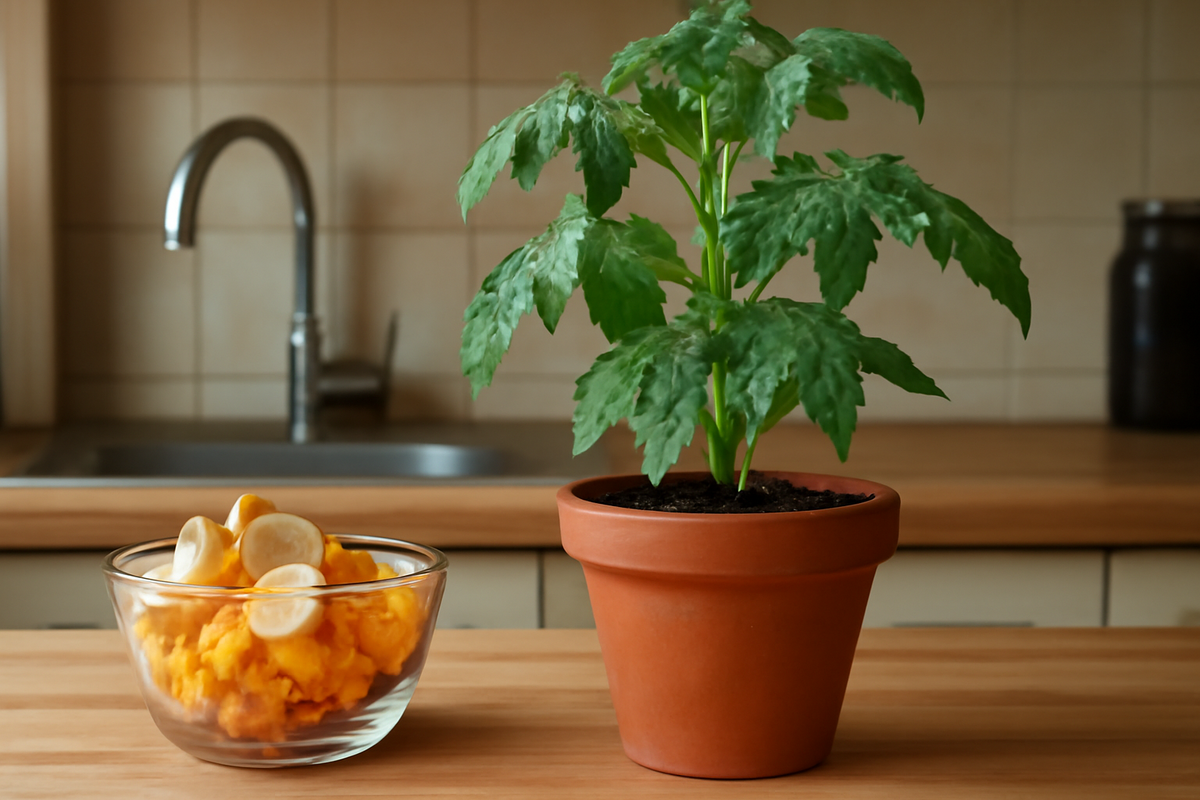
Or you might try it with tomatoes on a balcony. You bury a couple of chopped peels in the soil as you transplant the seedlings. Summer rolls forward, slow and sun-drenched. Where last year’s plants were spindly, this year’s grow with more purpose—thicker stems, stronger branches, leaves that don’t wilt at the slightest stress. You notice fewer yellowing edges, fewer drooping afternoons. It doesn’t feel like magic; it feels like finally giving them what they were quietly asking for.
Indoor plants, outdoor vegetables, roses, even hungry flowering shrubs—most will accept this simple gift gratefully. You’re not forcing growth with a fast, synthetic dose; you’re offering a slow, natural whisper of nutrients that the soil can absorb and the plant can use at its own pace.
Simple Ways to Use Banana Peels for Taller, Stronger Plants
You don’t need elaborate systems to take advantage of banana peels. You just need a habit—a different way of seeing what’s in your hand when the fruit is gone.
Here are some of the gentlest, most practical methods:
- Chopped peels in the soil: Cut banana peels into small pieces and bury them a few centimeters below the surface of the soil around your plants. As they break down, they slowly release nutrients and feed soil organisms.
- Dried and crushed peels: Air-dry or oven-dry peels at low heat until crisp, then crush into small flakes or powder. Sprinkle this around plants or mix it into potting soil for a tidier, less fragrant option.
- Banana peel “tea”: Soak clean peels in a jar or bucket of water for a couple of days, then strain and use the water to gently water your plants. This creates a light, easy nutrient boost.
- Compost booster: Add banana peels to your compost bin or pile. They break down quickly and boost overall fertility, which later becomes a rich, balanced food for all your plants.
None of these methods are rigid recipes. They’re more like suggestions in a conversation with your garden. A little here, a little there, paying attention as you go.
How Banana Peels Stack Up Against Other Kitchen “Fertilizers”
Once you start noticing the value in banana peels, it’s hard not to look at everything in your kitchen a little differently. Coffee grounds, eggshells, rice water, vegetable trimmings—they all begin to glow with new possibility. Each brings something slightly different to the table, and together, they can create a richer, more balanced diet for your plants.
To get a sense of how banana peels fit into the bigger picture, here’s a simple comparison of common kitchen waste and what they offer:
| Kitchen Waste | Main Benefit for Plants | Best Use | Notes |
|---|---|---|---|
| Banana peels | High in potassium; supports strong stems & overall vigor | Chopped in soil, dried & crushed, “tea”, or compost | Best for flowering plants, fruiting plants, and general strength |
| Coffee grounds | Adds organic matter; small amounts of nitrogen | Lightly mixed into soil or composted first | Use in moderation; can be slightly acidic |
| Eggshells | Calcium source; supports strong cell walls | Crushed finely & mixed into soil or compost | Break down slowly; best as long-term supplement |
| Rice rinsing water | Very mild nutrients & starch; gentle boost | Used fresh as occasional irrigation | Use quickly; don’t store long to avoid odor |
| Vegetable scraps | Broad mix of nutrients & organic matter | Best composted before use | Great for building rich long-term soil health |
Among all of these, banana peels hold a special place when your goal is visible growth—the kind you can measure against a window frame or a fence post. Where coffee grounds and eggshells play supportive roles, banana peels often step into the spotlight for height, strength, and stamina.
Why Potassium Matters So Much for Growth
You can think of potassium as the quiet coordinator inside a plant’s body. It’s not the star of the show in the way nitrogen is (which makes leaves lush), but it’s what helps everything run smoothly.
Potassium helps plants:
- Move water efficiently through their tissues, so they stay hydrated and upright.
- Maintain strong, sturdy stems that don’t topple under their own weight.
- Withstand stress—heat, cold, disease, even a bit of neglect.
- Use other nutrients more effectively, turning food into actual growth.
When plants don’t get enough potassium, they may still grow, but they do it unevenly and weakly. Leaves may yellow or curl at the edges, stems might be thin, and the overall posture of the plant can look a little uncertain. Banana peels offer potassium in a way that’s slow, natural, and gentle, especially when you use them as part of a broader mix of kitchen-based soil food.
The Quiet Ritual of Reuse
There’s something deeply grounding about creating a loop in your own home—about watching something that once felt like waste become a source of life. It shifts the way you move through your space. Every banana you peel is no longer just a quick snack; it’s the first step in a chain that ends in new leaves, new blossoms, or a handful of cherry tomatoes warmed by the afternoon sun.
You start to notice the details. The texture of a dried banana peel before you crush it between your fingers. The way the soil smells different after a few months of quietly receiving your kitchen scraps. The look of a plant that’s content not just to be alive, but to grow with a kind of easy confidence.
Maybe you place a small container by the sink labeled “for the plants,” and your household gets in on the ritual. Banana peels, coffee grounds, eggshell fragments—it’s no longer just garbage; it’s a future garden in progress. Over time, you might find that you buy fewer plastic bottles of fertilizer because you no longer feel the need. The answers are already in your hands, in the simple, familiar motions of cooking and cleaning.
Even on days when you don’t have the energy to fuss over your plants, this quiet system keeps working in the background. A peel chopped and buried, a jar of banana peel water poured at the base of a tired fern—small acts, almost invisible, shaping growth in ways you only fully appreciate weeks or months later.
Tips and Gentle Warnings
As natural as banana peels are, a bit of thought keeps them working with you, not against you:
- Don’t overdo it: Plants need balance. Use banana peels as a supplement, not the only source of nutrition. Too many scraps in a small pot can attract pests or cause unpleasant smells.
- Chop or dry first: Whole peels take longer to break down and can mold on the surface. Smaller pieces or dried peels disappear into the soil more easily.
- Rinse if needed: If the bananas were heavily sprayed or waxed, a quick rinse of the peel can help reduce residue before using them.
- Watch your plants: Every plant has its own personality. If you notice soggy soil, fungus gnats, or any signs of stress, pause and adjust your approach.
This isn’t about strict rules so much as paying attention. You’re not just feeding plants; you’re learning them.
From Waste to Partnership
Standing at the kitchen counter, peel in hand, it’s easy to feel like these actions are too small to matter. One peel. One plant. One quiet gesture toward a greener corner of your home or balcony. But growth is nothing if not the art of small things adding up over time.
The tall, confident tomato plant that shades your doorstep in late summer might trace its strength back to a handful of kitchen rituals—peels buried in the soil, coffee grounds scattered, compost turned. The climbing pothos wrapping itself around a bookshelf might owe its shine and vigor to the murky banana “tea” you poured when you weren’t sure anything would happen at all.
What banana peels offer isn’t just nutrients. They offer a shift in perspective: a reminder that growth often comes from what we’re most used to throwing away. That the boundary between “waste” and “resource” is as thin as the skin of a fruit. That our homes are already full of quiet tools for resilience, if we’re willing to see them differently.
So the next time you curl your fingers around the curve of a banana and peel it open, pause for a heartbeat before you turn to the trash. Somewhere nearby, a plant is waiting, ready to turn that soft, fading yellow into something taller, stronger, and beautifully alive.
Frequently Asked Questions
Can I put banana peels directly on top of the soil?
You can, but it’s better to chop them and lightly bury them or dry and crush them first. Whole peels on the surface break down slowly, can smell, and sometimes attract insects. Smaller pieces decompose faster and blend more naturally into the soil.
How often should I use banana peels on my plants?
For most houseplants and garden plants, using banana peels about once every 3–4 weeks is plenty. Think of them as a gentle supplement rather than daily food. You can alternate banana peel use with other natural amendments or good-quality compost.
Are banana peels safe for all types of plants?
Most plants handle banana peels well, especially flowering and fruiting plants. However, very sensitive or slow-growing plants may prefer lighter applications, such as banana peel “tea” instead of buried scraps. Always start small and watch how your plants respond.
Can I store banana peel water (banana “tea”) for later?
It’s best to use it within a day or two. If left longer, the water can begin to ferment and develop an unpleasant odor. Store it in a cool place and discard it if it smells sour or rotten.
Will banana peels attract pests to my garden or pots?
If used in moderation and buried slightly in the soil, banana peels rarely cause pest problems. Issues usually arise when large amounts are left exposed on the surface. Chopping, drying, or composting peels first greatly reduces the chance of attracting unwanted visitors.

Hello, I’m Mathew, and I write articles about useful Home Tricks: simple solutions, saving time and useful for every day.