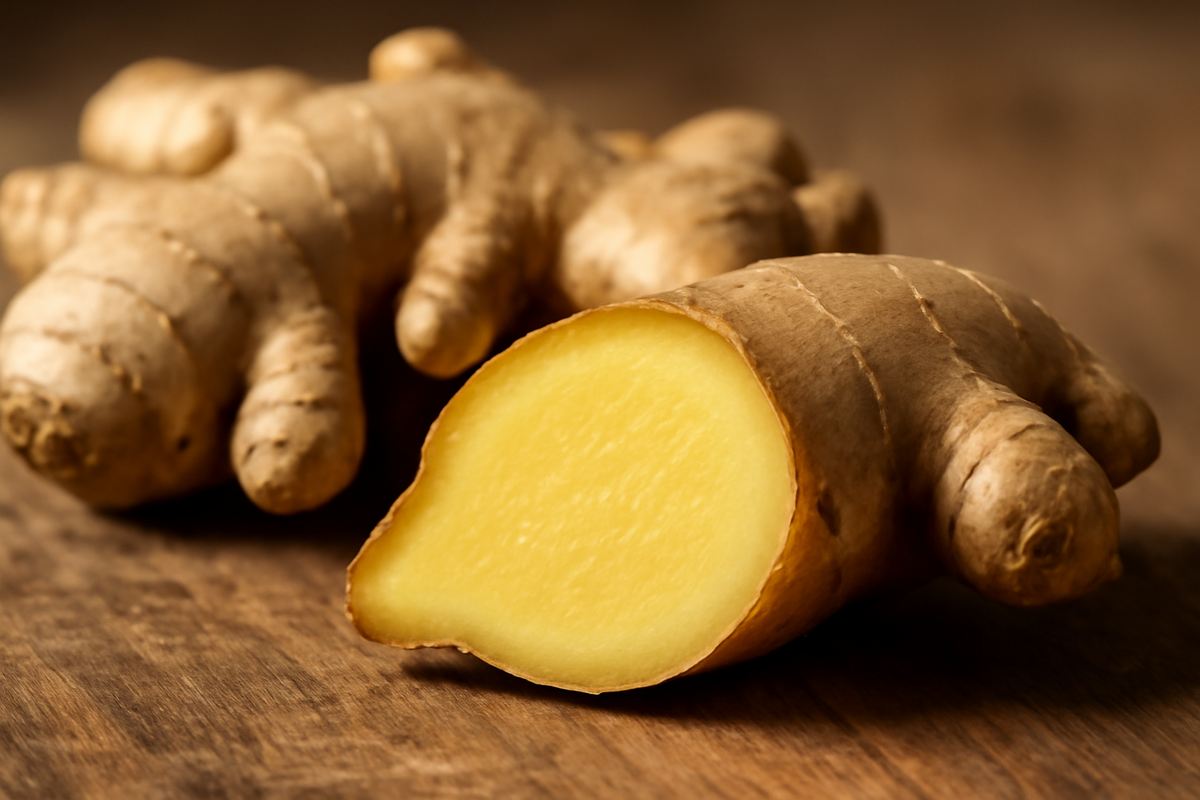
On a cool, wet morning, the kind that makes the windows fog and the world smell like rain and soil, someone in almost every town on earth is doing the same simple thing: slicing ginger. A knobbly, beige root on a wooden board, the knife tapping out a soft rhythm. Steam rises from a pot; sharp, lemony spice drifts into the air. It smells like warmth, like old remedies, like something your grandmother would swear by. “Drink this,” she might say, “it’ll fix you right up.”
Ginger has that reputation — an everyday miracle, a cure-all hiding in your kitchen drawer. And there’s some truth there: it really can soothe nausea, help with digestion, and calm a cranky stomach. Yet, tucked inside that fiery root is a more complicated story, one where “natural” doesn’t always mean “safe for everyone.” For some people, ginger can nudge the body a little too far, turn a helpful effect into a problem, and transform that cozy cup of tea into an unseen risk.
So let’s walk through that story — slowly, like a wander through a spice market — and talk about who might want to go easy on ginger, or avoid it altogether, and why this beloved root isn’t as harmless as it looks for everyone.
The Warmth in the Cup: Why So Many People Love Ginger
Picture the moment it hits your tongue: bright, citrusy, then a rising heat that spreads from your mouth down into your chest. Ginger doesn’t just taste spicy; it feels alive. That sensation comes from compounds like gingerol and shogaol — little chemical sparks that interact with your body from the moment they touch your lips.
For many people, this is good news. Those same compounds can:
- Calm a churning stomach (motion sickness, nausea, morning sickness).
- Speed up digestion and help food move along more comfortably.
- Add gentle anti-inflammatory support for joints and muscles.
- Help ease menstrual cramps for some women.
- Offer modest support for blood sugar and cholesterol regulation.
That’s a lot of benefit from something that looks like a twisted piece of wood. No wonder your aunt adds it to every tea, your neighbor swears by it for colds, and social media feeds are packed with ginger shots in tiny glass bottles, promised as “immunity in one sip.”
But like a fireplace that warms the room and can also burn your hand, ginger’s power cuts both ways. To understand who should be careful — and why — we need to look at how that warming spark behaves in a few specific situations.
When the Heat Goes Too Far: People with Bleeding or Clotting Problems
Among ginger’s better-known tricks is its effect on blood flow. Many herbal texts describe it as “warming the blood,” but in more practical terms, ginger can act a bit like a very mild blood thinner. It doesn’t come close to the strength of prescription anticoagulants, but it nudges your platelets — the tiny fragments in your blood that help it clot — to be a little less sticky.
For some, this is useful. For others, it’s risky.
You should be especially cautious with ginger if you:
- Take blood-thinning medications such as warfarin, apixaban, rivaroxaban, dabigatran, heparin, or daily aspirin.
- Use herbal or over-the-counter products that also thin the blood (like high-dose fish oil, ginkgo, or garlic supplements).
- Have a bleeding disorder (such as hemophilia, von Willebrand disease, or low platelets).
- Are scheduled for surgery or a major dental procedure soon.
In these situations, adding a strong daily ginger habit — ginger shots, capsules, or highly concentrated teas — can lengthen the time it takes your blood to clot. That might mean you bruise more easily, your gums bleed longer when you floss, or a small cut refuses to stop oozing. After surgery, that extra bleeding could be far more serious.
Here’s a simple way to visualize it: your body already stands on a delicate balance beam between “too clotted” and “too thin.” Blood thinners push you toward the “thin” side on purpose, to prevent clots that can cause strokes or heart attacks. Ginger, while much gentler, is still another hand nudging that same direction. For some people, that extra nudge is one too many.
How Much Is Too Much for Most People?
A few slices of fresh ginger in a stir-fry or a cup of tea now and then is unlikely to cause trouble for the average person. The concern grows when:
- You use concentrated ginger supplements or extracts daily.
- You drink several strong cups of ginger tea every day.
- You combine ginger with other blood-thinning foods or medications.
If you’re in the “blood thinner” or “bleeding disorder” category, talk with your healthcare provider before making ginger a daily ritual. Sometimes, it’s not about banning ginger forever — just about quietly dialing it back.
The Fiery Root and the Expecting Body: Pregnancy and Ginger
Pregnancy is often when ginger feels like a lifeline. The world narrows to the smell of toast, the sight of the bathroom, and waves of nausea that seem to crest at the least convenient times. Ginger candies sit on nightstands. Ginger tea bags rattle in handbags. Ginger becomes less a spice and more a survival strategy.
Here’s the twist: ginger can indeed help with pregnancy-related nausea for many women — and low to moderate amounts are generally considered safe early in pregnancy. But there are two important cautions.
When Pregnancy and Ginger Might Not Mix Well
You should be particularly careful with ginger in pregnancy if you:
- Have a history of miscarriage or are at high risk for pregnancy complications.
- Have vaginal bleeding during pregnancy or a placenta-related issue.
- Are close to your due date and already taking medications that affect blood clotting.
- Use high-dose ginger supplements rather than mild culinary or tea amounts.
Why the concern? Animal and lab studies have raised theoretical questions about very high doses of ginger and how they might affect hormones, bleeding, or uterine contractions. Human studies at modest doses look relatively reassuring, but real-life pregnancies aren’t lab experiments — they come with layers of complexity, history, and risk that deserve caution.
Think of ginger in pregnancy like stepping into the shallow end of a pool, not diving off the deep end. A mild tea made with a thin slice or two, once or twice a day, may be fine if your provider agrees. High-dose capsules, concentrated shots, or constant, heavy intake? That’s where the water gets murkier.
One more quiet detail: because ginger can influence blood clotting slightly, pairing it with pregnancy-related issues like anemia, low platelets, or existing blood-thinning medications adds another layer of risk on top of an already complex physiological state. Always, always loop in your midwife, OB-GYN, or healthcare provider before you rely on ginger as a daily remedy while pregnant.
When the Stomach Says “Enough”: GERD, Ulcers, and Sensitive Digestion
Ironically, the same root that calms nausea can also irritate certain kinds of digestive trouble. Ginger is stimulating. It wakes things up, moves them along, and warms the internal “stove.” For someone with a sluggish stomach, that’s a blessing. For someone whose stomach already feels like it’s on fire, it can be gasoline on the flames.
You might want to tread carefully with ginger if you have:
- Severe acid reflux or GERD (chronic heartburn).
- Active stomach or duodenal ulcers.
- Gastritis (inflamed stomach lining).
- A very sensitive digestive system that reacts strongly to spicy foods.
Fresh ginger can sometimes increase the sensation of heat in the esophagus, especially if taken in large amounts or on an empty stomach. You might feel a burning trail from chest to throat, that familiar dragon’s breath of reflux.
In mild cases, adjusting how you use ginger can help:
- Pair small amounts with food rather than taking it on an empty stomach.
- Use weaker teas instead of strong ginger shots or chewing raw slices.
- Avoid ginger at night if it worsens reflux when you lie down.
But if even tiny amounts set your chest or stomach alight, your body is giving you clear feedback: this particular “healthy” habit may not be meant for you, at least not right now.
When Ginger Meets the Gut Too Fast
There’s another side effect some people don’t talk about as much: diarrhea or loose stools. Because ginger can speed up the movement of the digestive tract, a strong tea or shot may send things racing along too quickly. If your body responds this way — with cramping, urgency, or too many trips to the bathroom — then a gentler approach (or avoiding ginger) might be better.
Hidden Tangles: Medication Interactions You Might Not Expect
The modern kitchen is where old remedies and new medicine quietly run into each other. A cup of ginger tea on the same morning as a small pill for blood pressure. A ginger shot before the gym, followed by a prescription pill at bedtime. It feels harmless — almost poetic — but those layers can tangle in ways that aren’t always obvious.
Beyond blood thinners, ginger may interact with:
- Diabetes medications: Ginger can modestly lower blood sugar in some people. Combine that with glucose-lowering drugs, and you might slide into hypoglycemia — the shaky, sweaty, lightheaded territory of blood sugar that’s gone too low.
- High blood pressure medications: Ginger can slightly lower blood pressure and relax blood vessels. Pair that with antihypertensive drugs, and you may drop too low, feeling dizzy when you stand or unusually weak.
- Heart rhythm medications: Because ginger can influence calcium channels and circulation, anyone with complex heart rhythm issues or on medications for arrhythmias should check with a cardiologist before adding concentrated ginger supplements.
Ginger doesn’t crash into these medications the way some drugs do; it’s more like a subtle cross-current in a river. On its own, each current is fine, but combined, they can shift your course more than expected.
If you’re on daily prescription medication — especially for blood clotting, blood pressure, blood sugar, or heart rhythm — it’s wise to treat high-dose ginger like any other drug: something to be discussed with your healthcare provider, not quietly added in large amounts because it’s “natural.”
Not All Ginger Is the Same: Fresh, Dried, Candied, and Supplemental
Walk through your kitchen, and you might find ginger in five different forms: a fresh root in the crisper, a jar of powdered ginger on the spice rack, candied ginger in a tin, bottled ginger juice, and a forgotten supplement bottle in the cupboard. They are all “ginger,” but they don’t behave in your body in exactly the same way.
| Form of Ginger | Typical Use | Risk Level for Sensitive Groups* |
|---|---|---|
| Fresh ginger slices or grated | Cooking, mild teas | Generally lower, if used in small culinary amounts |
| Dried or powdered ginger | Baking, stronger teas | Moderate; more concentrated per teaspoon |
| Candied or crystallized ginger | Snacking, nausea relief | Moderate; added sugar plus spice can upset digestion |
| Ginger shots, juices, syrups | “Wellness” drinks | Higher; very concentrated, can affect blood and stomach more strongly |
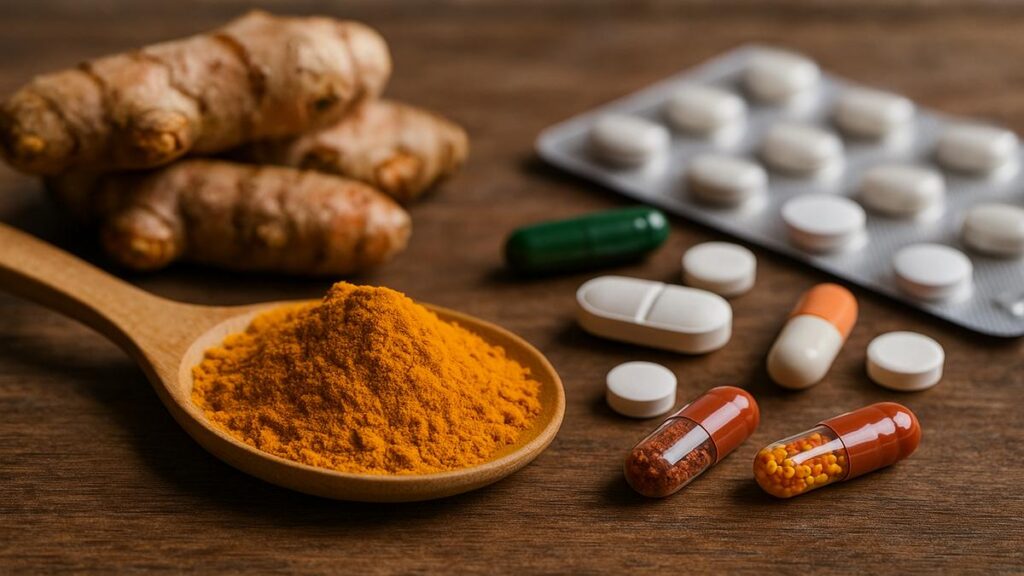
| Ginger capsules or extracts | Targeted relief, daily supplements | Highest; standardized doses, closer to drug-like effects |
*Sensitive groups include people on blood thinners, with bleeding disorders, high-risk pregnancies, serious heart or digestive conditions, or complex medication regimens.
In many of the “be careful” scenarios, the real issue is not the pinch of ginger in your soup. It’s the concentrated forms — shots, syrups, powders in large amounts, and supplements — taken daily or in large doses.
Your body experiences a single mellow cup of ginger tea with dinner very differently from a 50- or 1000-milligram capsule swallowed each morning with a multivitamin. One is a whisper; the other is a clear, repeating command.
Listening to the Body’s Quiet Warnings
If there’s a thread running through ginger’s story, it’s this: nature is powerful, and your body is always talking back.
Ginger may not be the villain of your kitchen, but it’s also not a harmless background extra. Its heat is real. Its effects are real. For the majority of people, that’s excellent news — a flavorful way to gently support digestion, ease mild nausea, and brighten heavy meals.
But if you find yourself in any of these groups, caution is wise:
- You take blood-thinning or clot-affecting medications.
- You have a bleeding disorder or low platelets.
- You’re pregnant and especially if you’re high risk or close to your due date.
- You live with severe reflux, ulcers, gastritis, or a very sensitive gut.
- You are on complex heart, blood pressure, or diabetes medications.
In those situations, ginger moves from “comforting kitchen friend” to “potent tool that needs supervision.” It doesn’t mean you’ll never taste it again. It might simply mean:
- Choosing food-level amounts over supplements.
- Skipping ginger shots and very strong teas.
- Checking with your healthcare provider before daily use.
- Watching your body’s signals and backing off at the first sign of discomfort, dizziness, bleeding, or unusual symptoms.
That foggy, rain-scented morning cup of ginger tea can still be part of your ritual. But like any powerful story passed down through kitchens and generations, it asks for respect. The same root that warms the hands on a steaming mug can also quietly stir the blood, light up the stomach, or nudge your medicine in unintended directions.
The art is not in fearing ginger or worshiping it — but in knowing when it’s exactly the right ally, and when, for your particular body, it’s time to set the root gently back on the board and choose something else.
Frequently Asked Questions
Is ginger safe to eat every day?
For most healthy adults, small culinary amounts of ginger — such as what you’d use in cooking or one mild cup of tea a day — are generally considered safe. Daily high doses from supplements, shots, or very strong teas are where risks grow, especially if you have medical conditions or take prescription medications.
How much ginger is considered “too much”?
There’s no single universal limit, but many guidelines suggest staying under about 3–4 grams of ginger per day from all sources unless a healthcare provider directs otherwise. People on blood thinners, with bleeding disorders, or in high-risk groups may need to use less or avoid ginger supplements altogether.
Can children have ginger?
In food-level amounts — a little in soups, baking, or mild tea — ginger is usually fine for older children. Concentrated shots, pills, or large amounts aren’t recommended without pediatric guidance, especially if the child is on medication or has chronic health issues.
Is ginger tea safer than ginger supplements?
Mild ginger tea made with a small piece of root or a moderate tea bag is usually gentler and less concentrated than capsules or extracts. However, very strong homemade brews can still act like a high dose. Supplements and shots are the most potent forms and carry the highest risk for sensitive individuals.
Can ginger cause allergies?
True ginger allergy is uncommon but possible. Signs can include itching, rash, swelling of the lips or tongue, difficulty breathing, or severe digestive upset. If you notice these symptoms after having ginger, stop using it and seek medical advice promptly.
Should I stop ginger before surgery?
Because ginger can mildly affect blood clotting, many practitioners suggest avoiding high ginger intake — especially supplements or concentrated forms — in the days leading up to surgery or major dental work. Always follow the instructions of your surgical or anesthesia team.
What can I use instead of ginger for nausea if I’m in a high-risk group?
Depending on your situation, options might include peppermint tea, bland starchy foods (like crackers or toast), acupressure bands, or prescribed anti-nausea medications. The safest choice depends heavily on your health conditions and medications, so it’s best to discuss alternatives with your healthcare provider.

Hello, I’m Mathew, and I write articles about useful Home Tricks: simple solutions, saving time and useful for every day.