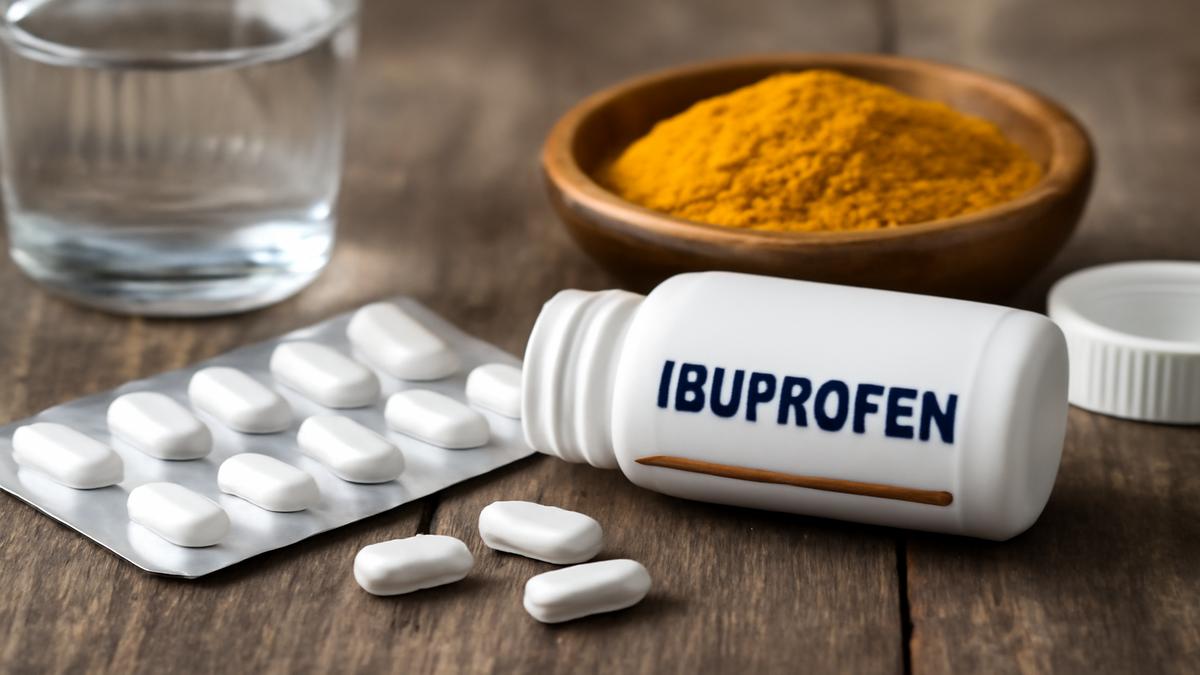
The pharmacist slid the orange bottle across the counter and lowered her voice, as if the ibuprofen inside could overhear. “It does what it promises,” she said, “but it can be rough on your stomach. Don’t take it on an empty one.”
I nodded, thinking of the familiar burn behind my ribs after a few days on painkillers—the kind of discomfort that makes you weigh every tablet against a looming ache. But what she said next made me pause.
“Funny thing,” she added, “a new paper just came out this year. It looks like one kitchen spice might actually help protect your gut from ibuprofen’s damage.”
A single spice, hiding in plain sight on the pantry shelf, stepping in where pharmaceuticals fall short. The idea followed me out of the pharmacy, buzzing around my thoughts as traffic lights flickered from red to green. That night, I opened my spice drawer and stared down at all the glass jars, wondering which of them had just been promoted from flavoring to quiet healer.
The hidden cost of a “harmless” painkiller
Ibuprofen is so ordinary it’s almost invisible. You toss it into backpacks and glove compartments, into office drawers and hiking packs. Headache? Pop one. Sore back from gardening? Two with dinner. For millions of people, this humble NSAID is the bridge between pain and functioning.
But ibuprofen has a secret that many of us only learn when our bodies start whispering warnings. A vague gnawing in the upper abdomen. Nausea that creeps in after a dose. A burning ache that’s easy to blame on “something I ate.”
Ibuprofen works by blocking enzymes called COX-1 and COX-2, which are part of your body’s inflammatory cascade. That’s useful for calming pain, but COX-1 also helps protect the stomach lining, maintain healthy blood flow, and keep mucus production steady in your gut. Block that for long enough, and your stomach loses some of its armor.
Acid, which has a job to do, doesn’t discriminate. Without protective mucus and a happy blood supply, it can irritate and even erode the tissue of your stomach or upper intestine. This is how chronic NSAID use can lead to gastritis, ulcers, and in more serious cases, bleeding.
So we’re left with a strange trade-off. Relief from joint or muscle pain at the expense of low, chronic damage to the very system that feeds and sustains us. It’s not enough to make most people give up ibuprofen altogether, especially when the pain is stubborn. But it’s enough to make you wonder: is there a way to soften the blow?
The 2025 twist: a spice steps into the lab
In early 2025, that quiet question made its way into research labs in a more focused way. Scientists have been whispering about certain spices and their protective effects on the gut for years. But now, with better imaging, biomarkers, and clinical trial designs, they started asking a bolder version:
Could one common spice counteract the actual biological damage ibuprofen causes in the stomach, not just ease the symptoms after the fact?
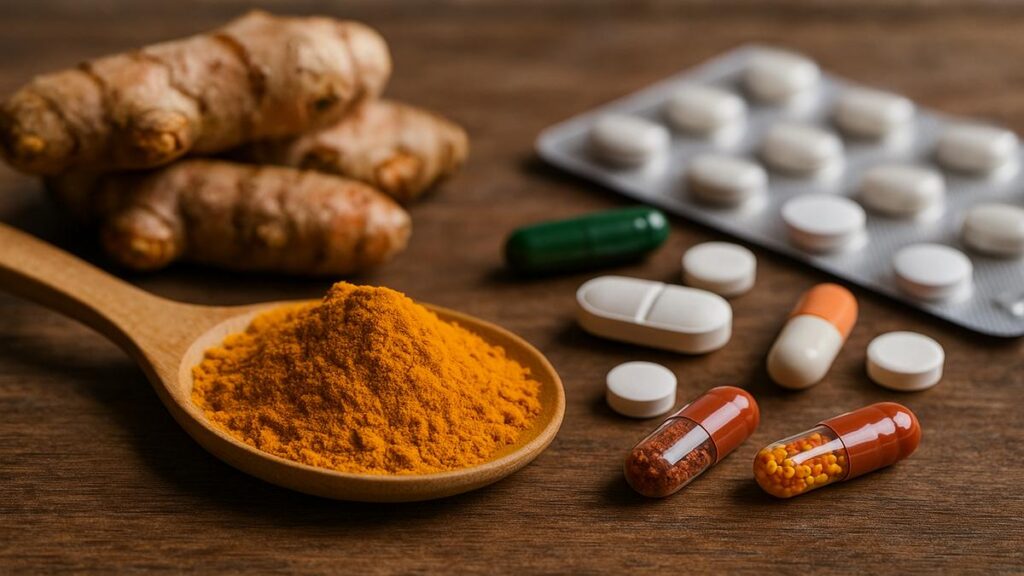
In small, carefully controlled trials, one contender kept coming up: turmeric—specifically its bright-gold compound, curcumin. You probably know turmeric as the spice that turns curries sunset-yellow and leaves a stain on your favorite spatula. But in the fluorescent light of research labs, it’s getting a new reputation.
Researchers set up a simple but elegant test. Volunteers who regularly needed NSAIDs were given ibuprofen along with either a placebo or standardized turmeric/curcumin supplement. Over days and weeks, their stomach lining was evaluated using endoscopic imaging, inflammation markers in blood and stool, and symptom tracking—pain, burning, nausea, bloating.
The pattern that emerged was hard to ignore. While ibuprofen still did what it always does—dampen pain by blocking those COX enzymes—the groups receiving turmeric showed less evidence of damage to the stomach’s surface. Inflammation markers dropped. The microscopic signs of distress in the gut lining softened. Subjectively, people reported fewer bouts of upper abdominal discomfort.
The 2025 analyses don’t claim that turmeric makes ibuprofen safe for everyone. But they point to something important: under the right conditions, this spice may act like a soft shield for the gastric lining—a quiet negotiator between the acid that digests your food and the drug that eases your pain.
How can a kitchen spice protect a stomach from a pill?
Imagine your stomach lining as a forest edge. The tall trees are your epithelial cells, standing shoulder to shoulder. The underbrush is your mucus layer, dense and protective, catching debris before it reaches the soil. Blood vessels weave under the surface, bringing nutrients and oxygen, carrying away waste.
Ibuprofen is like a series of controlled burns. You don’t always see the damage right away, but over time it thins the underbrush, dries out the soil, and makes the forest more vulnerable to fire.
Turmeric works differently. Curcumin, its star compound, seems to act as a multi-talented forest ranger:
- Anti-inflammatory without the collateral damage: Curcumin can modulate inflammatory pathways, tamping down excessive inflammation without blocking COX-1 in the same way NSAIDs do. That means less disruption to the stomach’s natural defenses.
- Antioxidant shield: Ibuprofen-induced irritation increases oxidative stress—tiny biochemical “sparks” that can further harm cells. Curcumin is a powerful antioxidant, helping neutralize some of those sparks before they can spread.
- Mucus support and blood flow: Emerging 2025 data suggest curcumin may support mucus production and microcirculation in the stomach lining, both of which are critical to healing and resilience.
- Microbiome whisperer: Your gut isn’t just yours; it’s home to trillions of microbes. Some early human data indicate turmeric can help encourage a more balanced gut flora, which can indirectly influence inflammation and barrier function.
The combined effect isn’t magic; it’s mechanics. While ibuprofen nudges the system toward irritation and thinning of protective layers, turmeric nudges it back toward repair, stability, and calm. They don’t cancel each other out as much as they pull from opposite ends of the same rope—one causing tension, the other offering slack.
What the 2025 research actually shows (simplified)
In the bright, clinical language of scientific papers, here’s what the latest wave of studies suggests about turmeric and ibuprofen:
- Less microscopic damage: People taking turmeric alongside NSAIDs show fewer tiny erosions and less redness in the stomach lining during endoscopies compared with those taking NSAIDs alone.
- Improved symptom scores: Reports of upper abdominal pain, burning, and nausea are reduced in turmeric groups, even when ibuprofen doses remain the same.
- Better inflammatory profiles: Blood and stool markers connected to gut inflammation—like certain cytokines and calprotectin—tend to be lower in turmeric groups.
- Possible dose advantage: In some trials, when turmeric was combined with ibuprofen, participants achieved similar pain relief with slightly lower NSAID doses, which could further reduce stomach risk.
None of this means you can swallow handfuls of ibuprofen without worry as long as you chase them with golden capsules or a vividly spiced curry. But it does suggest that for people who need NSAIDs regularly—and who are not at very high risk for ulcers or bleeding—adding turmeric may tilt the odds toward protection rather than harm.
From lab bench to kitchen counter: how people actually use it
Science is careful and slow. Life is not. By the time research catches up with traditional knowledge, people are often already experimenting in their own kitchens.
Talk to long-time users of turmeric—especially in parts of South Asia, the Middle East, and coastal regions where the spice is folded into daily cooking—and you’ll hear a familiar theme. “We always cook it in fat,” a home cook in Kerala will tell you, stirring coconut oil and turmeric together until the air smells like warm earth. “And we don’t eat it alone. It’s always with other spices, with food, with company.”
Those habits are quietly aligned with what the 2025 data hint at:
- Curcumin absorbs better with fat: Turmeric’s key compounds are fat-soluble. When you cook turmeric in ghee, olive oil, or coconut oil, or take a supplement with a meal containing healthy fats, more of it actually reaches your bloodstream and gut lining.
- Black pepper boosts its power: Piperine, the active compound in black pepper, can significantly increase curcumin absorption. Many traditional dishes naturally pair the two. Many modern supplements now do, too.
- Steady, small doses beat sporadic megadoses: Regularly including turmeric in meals may be more gut-friendly than occasionally swallowing large capsules on an empty stomach.
Here’s how this looks in everyday, practical terms when people try to support their stomachs while using ibuprofen (with their doctor’s blessing):
| Approach | How It’s Used | Things to Watch |
|---|---|---|
| Cooking with turmeric | ½–1 tsp daily in soups, stews, curries, eggs, or roasted vegetables, cooked in oil and often with black pepper. | Flavor can be strong; introduce slowly if not used to it. |
| Golden milk or turmeric tea | Turmeric simmered with milk (or plant milk), a bit of fat (ghee/coconut oil), and a pinch of black pepper. | Best taken with or after food; can stain cups and fabrics. |
| Standardized supplement | Curcumin extract, often 500–1000 mg/day, usually with piperine, taken with meals. | Not for everyone; can interact with medications and affect clotting. |
| Short-term “gut support” while on NSAIDs | Daily turmeric/curcumin during periods of regular ibuprofen use, under medical guidance. | Stop and seek care if you notice black stools, severe pain, or vomiting. |
The point is not to turn your life into a turmeric ritual, but to let this spice slip back into the role it’s played for centuries: a quiet, daily ally that works in the background, especially when modern medicine asks a lot of your body.
The limits of protection: when turmeric is not enough
There’s a danger with any wellness darling: we start treating it like armor, something that lets us push further, ignore warning signs longer, or double down on habits that hurt us.
Ibuprofen’s risks are not limited to the stomach. At high doses or over long periods, it can affect the kidneys, raise blood pressure, and influence cardiovascular risk. Turmeric does nothing to erase those concerns. Even in the gut, its help has boundaries.
If you’ve ever had a stomach ulcer, a history of GI bleeding, or you’re taking blood thinners, steroids, or multiple pain medications, piling turmeric on top of ibuprofen isn’t a free pass. In fact, turmeric itself can mildly thin the blood and may interact with certain drugs. For some people, especially at high doses, turmeric can even cause digestive upset—bloating, loose stools, or cramping.
What the 2025 research really offers is not a loophole but a refinement: a way to possibly soften the edges of a drug many people genuinely need, especially when alternatives are limited or come with their own issues.
The wisest use of this knowledge is collaborative—not just between spice and pill, but between patient and practitioner. It might sound like:
“I need ibuprofen to keep working, but my stomach is sensitive. Is it safe for me to add daily turmeric in food or a low-dose supplement? Are there any tests you’d like to run, or medications I’m on that might clash with it?”
From there, your story can be customized: maybe a low-dose curcumin capsule with your main meal on days you use ibuprofen. Maybe a nightly golden milk ritual that not only soothes your gut but signals your body that the day is winding down. Maybe simply more turmeric in your cooking and a clear plan for when your ibuprofen use should be re-evaluated.
Listening to the body between the doses
If there is a deeper lesson hidden in this golden powder, it’s not just biochemical. It’s about listening.
In a quiet mountain town, a physical therapist tells me how she spots the first signs of NSAID overuse in her patients. “They joke about needing a ‘daily vitamin I’ for their knees,” she says. “Then they mention they’re skipping breakfast because their stomach feels off. That’s when I start asking different questions.”
Instead of only adding turmeric or adjusting doses, she looks upstream: posture, movement patterns, sleep quality, stress. “Painkillers and spices can be part of the plan,” she says, “but if we don’t ask why the body keeps asking for them, we miss the real story.”
Turmeric, in this sense, is not a cure-all but a gentle ally. It buys you time. It may cushion some of ibuprofen’s blows while you work on the deeper terrain: strengthening muscles around sore joints, adjusting your workspace, tending to your weight, your stress, your nightly rituals.
And in the meantime, there’s a small, sensory delight in knowing your medicine cabinet doesn’t end with plastic bottles. It continues into the warm, low-lit kitchen, where a jar of golden powder waits beside the stove, where the air smells faintly of earth and heat, and where part of your healing can come from something as humble as a spoon and a simmering pot.
Practical tips for combining turmeric and ibuprofen safely
If you’re thinking about weaving this research into your own life, consider these simple, safety-first guidelines to discuss with your healthcare provider:
- Don’t start high-dose supplements on your own. Food-level turmeric (½–1 teaspoon a day in cooking) is generally safe for most people. Concentrated curcumin capsules are another story—always clear them with a professional, especially if you take other medications.
- Avoid taking either on an empty stomach. Both ibuprofen and turmeric are easier on your system when taken with food. Include a bit of healthy fat for better curcumin absorption.
- Watch for warning signs. Seek medical help if you notice black or tarry stools, vomiting blood or material that looks like coffee grounds, sudden severe stomach pain, dizziness, or fainting. Turmeric is not a shield against medical emergencies.
- Mind your total load. If you also use aspirin, naproxen, steroids, or blood thinners, your bleeding risk climbs. Turmeric may nudge that a little higher. That’s not a reason to avoid it altogether, but it is a reason to move carefully and under supervision.
- Think in seasons, not forever. Many people need ibuprofen and extra stomach support only during certain periods—after surgery, during a flare of arthritis, or in a demanding athletic training block. Using turmeric more intentionally in these windows can make sense.
As with any evolving science, the story is still being written. Future studies will likely refine doses, identify who benefits most, and map out rare but important side effects. For now, turmeric doesn’t erase ibuprofen’s risks, but it offers a nuanced new chapter in our understanding of how food and medicine can meet in the most intimate of landscapes: the lining of your own body.
Frequently Asked Questions
Does turmeric completely prevent ibuprofen from damaging the stomach?
No. Current 2025 research suggests turmeric and curcumin can reduce the extent of stomach irritation and microscopic damage in some people, but they do not offer total protection. You can still develop gastritis or ulcers, especially with high doses or long-term ibuprofen use.
Is it enough to just eat more curry if I take ibuprofen often?
Regularly eating turmeric-rich foods may be helpful, but the exact protective dose hasn’t been firmly established. Everyday cooking levels (about ½–1 teaspoon of turmeric per day) are a gentle, generally safe starting point, not a guaranteed shield.
Are turmeric capsules better than using the spice in food?
Capsules provide standardized amounts of curcumin, which is useful in research and for targeted support. However, real turmeric in food brings additional compounds and often better tolerance. Many people start with culinary turmeric and only consider supplements if their clinician recommends them.
Can I take turmeric and ibuprofen at the same time of day?
Yes, as long as both are taken with food and your healthcare provider has confirmed there are no specific contraindications for you. Some people take them with their main meal to improve absorption and reduce stomach upset.
Who should avoid turmeric supplements?
People who are pregnant, have a history of gallstones or bile duct obstruction, are scheduled for surgery, or take blood thinners or multiple medications that affect clotting should avoid high-dose turmeric/curcumin unless closely supervised by a clinician.
Does turmeric help with ibuprofen’s kidney or heart risks?
There is not enough strong human evidence to say that turmeric counters ibuprofen’s kidney or cardiovascular risks. Its main studied benefits in this context relate to inflammation and the gut lining, not to all possible side effects of NSAIDs.
If turmeric helps, can I take more ibuprofen than recommended?
No. Never increase your ibuprofen dose beyond what is recommended on the label or by your doctor, regardless of turmeric use. Turmeric is a supportive ally, not a license to push your body—or your medications—beyond safe boundaries.

Hello, I’m Mathew, and I write articles about useful Home Tricks: simple solutions, saving time and useful for every day.