The first time I really paid attention to these seeds, they were rattling around at the bottom of a bulk-bin scoop, the sort of thing you grab as an afterthought. Around me, people reached for almonds, cashews, pistachios – the glossy celebrities of the nut world. My hand hovered over those familiar bins for a second, then drifted toward a tray of small, unassuming, dark striped shells – sunflower seeds – and a tub of tiny, soft, ivory kernels – hemp hearts. I didn’t know it yet, but those plain little seeds were about to hijack my late-night snacking ritual, my brain fog, and the way my body handled inflammation.
The Night I Swapped My Nuts
It started on a Tuesday when my brain felt like it was running on dial-up while the rest of the world streamed in 4K. I’d spent the day hunched over a laptop, eyes dry, shoulders nagging with that dull, familiar ache. I’d done all the “right” things: the walk, the water bottle, the carefully measured handful of almonds everyone swears by.
But by early evening, the mental static still hadn’t lifted. Words blurred. Ideas landed with a thud instead of a click. In a half-hearted rebellion against my usual routine, I wandered to the kitchen and bypassed the almond jar. Instead, I reached into the pantry and pulled out a bag I’d bought on a whim: shelled sunflower seeds. Then another bag: hemp hearts. Both had been quietly waiting behind the flashier snacks, like understudies who knew the lines better than the stars.
I poured a small mound of each into a bowl, shook on a little sea salt, and stood there under the kitchen light, eating them one slow pinch at a time. Nutty, faintly sweet sunflower seeds; soft, buttery hemp hearts; a kind of earthy richness that tasted clean rather than heavy. Within an hour, the fog in my head started to thin. I could focus on a page of text without re-reading it three times. There was a calm kind of alertness, like my brain had been gently tuned instead of jolted awake.
Coincidence, I thought. Placebo. Just a good night. But the shift was subtle and steady enough that I repeated the experiment the next evening. Then the next. By the end of the week, I noticed something else: that nagging ache in my shoulders, which usually howled by dinner, had quieted to a murmur.
The Quiet Power of Seeds
We love big gestures in wellness. The dramatic cleanse. The 30-day challenge. The expensive supplement in a mirrored bottle. But sometimes, the most powerful changes arrive in much smaller packages.
Seeds are, at their core, little vaults of stored energy. Every seed carries the blueprint and fuel to build an entire plant – roots, stem, leaves, flowers, and more seeds. To do that, nature packs them with concentrated nutrients: fats, proteins, fibers, minerals, and plant compounds. Compared to nuts, many seeds are even more densely loaded with certain brain-loving and inflammation-taming components.
Almonds and cashews are great; they’ve earned their fame. But the seeds I kept coming back to – the ones that quietly shifted both my mood and my stiff, screen-weary body – were the ones we often walk past without a second glance: sunflower seeds, hemp hearts, flaxseeds, chia seeds, and pumpkin seeds.
They don’t look like much. They don’t get glossy spreads in lifestyle magazines. But each one carries a different set of tools that, together, work on the two things most of us are wrestling with: low-grade inflammation that hums in the background of daily life, and the brain fog that makes everything harder than it should be.
The Anti-Inflammation Toolkit Hiding in Plain Sight
Inflammation isn’t always loud. Sometimes it’s a whisper: a knee that stiffens after sitting too long, a jaw that clicks, a gut that bloats quietly, a brain that feels heavy around the edges. Chronic low-level inflammation can come from stress, lack of sleep, processed foods, sit-all-day jobs, and that constant, low hum of digital life.
Here’s where these overlooked seeds quietly slip into the picture:
- Sunflower seeds bring vitamin E in generous amounts – one of the body’s frontline antioxidants. Vitamin E helps neutralize free radicals, the unstable molecules that fan the flames of inflammation in cells.
- Hemp hearts provide a near-perfect balance of omega-6 to omega-3 fatty acids, in a ratio that leans supportive instead of inflammatory. They’re also rich in gamma-linolenic acid (GLA), a fatty acid linked to calmer inflammatory responses.
- Flaxseeds and chia seeds are tiny but loaded with plant-based omega-3s (ALA) and soluble fiber, both of which support gut health – one of the control centers of inflammation regulation.
- Pumpkin seeds are packed with magnesium and zinc, minerals that quietly help regulate stress hormones, sleep quality, and immune balance – all threads in the inflammation web.
Instead of crashing into your system like a quick-fix pill, these seeds slip into your daily rhythm. A spoonful here, a sprinkle there, and the internal tide begins to shift – less friction, more flow.
Seeds for Focus: Fueling a Tired, Modern Brain
Most of us don’t struggle with focus because we’re lazy. Our brains are simply over-stimulated, under-nourished, and chronically exhausted. The punchline? The brain is a hungry organ. It quietly chews through about 20% of the body’s daily energy, and it loves certain nutrients more than others.
The seeds that sharpened my own mental edges share some key traits:
- Healthy fats to build and maintain cell membranes in the brain – especially omega-3s, which are kind of like high-quality insulation for neural wiring.
- Protein to support neurotransmitter production – the chemical messengers of mood, motivation, and focus.
- Minerals like magnesium, iron, and zinc that help electrical signaling and oxygen delivery to brain cells.
- Antioxidants to protect those delicate neurons from wear and tear.
Sunflower seeds alone offer vitamin E, B vitamins, selenium, and some protein; hemp hearts layer in complete protein with all essential amino acids and brain-fueling fats. Pumpkin seeds add zinc and magnesium, while flax and chia carry omega-3s and fiber that stabilize blood sugar so your concentration doesn’t swing like a pendulum.
Put together, they create this quiet, steady clarity – not the jittery pop of caffeine, but the feeling of having just the right glasses prescription for your mind.
The Seeds That Deserve a Spot on Your Counter
Let’s bring these overlooked seeds out of the shadows and give them the close-up they’ve earned. Think of this as a small cast of characters, each with its own specialty.
| Seed | What It’s Great For | Star Nutrients (per ~2 Tbsp) |
|---|---|---|
| Sunflower seeds | Calming inflammation, protecting cells, steady energy | Vitamin E, B6, selenium, magnesium, healthy fats, protein |
| Hemp hearts | Brain focus, mood support, stable energy | Complete protein, omega-3 & omega-6, magnesium, iron |
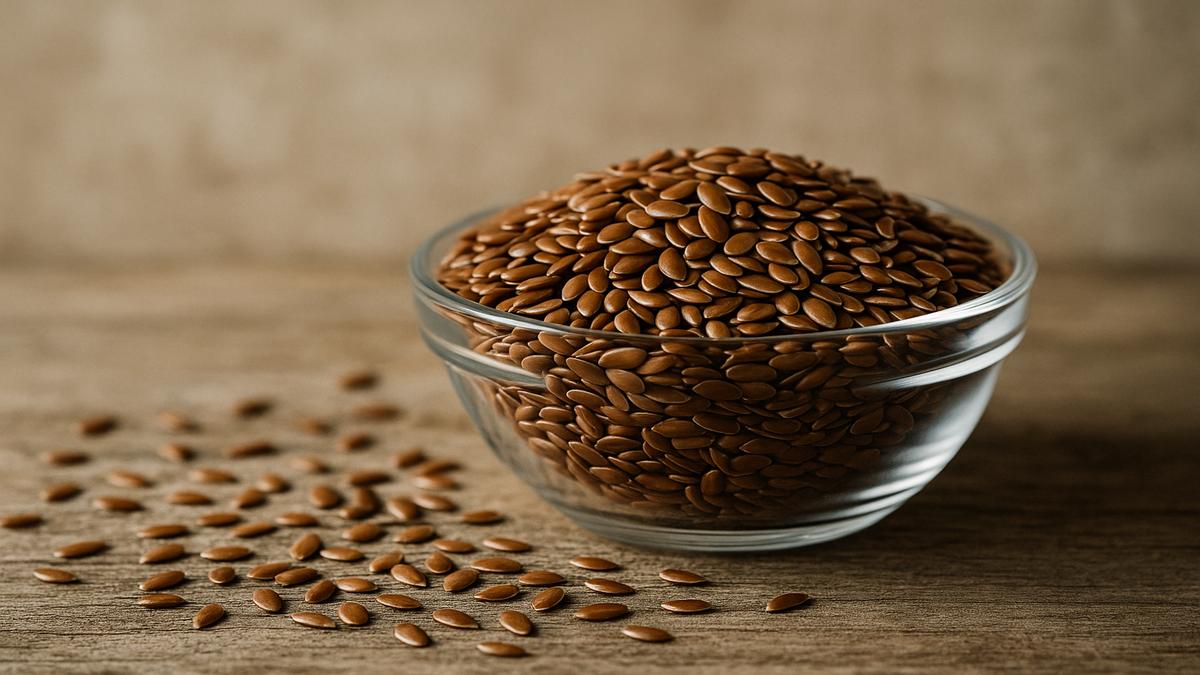
| Flaxseeds (ground) | Gut health, hormone balance, heart support | ALA omega-3, lignans (antioxidants), fiber |
| Chia seeds | Hydration, steady blood sugar, long-lasting focus | ALA omega-3, fiber, calcium, magnesium |
| Pumpkin seeds | Stress relief, sleep quality, mood & immune support | Magnesium, zinc, iron, healthy fats, protein |
You don’t need all of them at once. Even choosing one or two, and using them deliberately, can nudge the needle for both inflammation and focus.
Sunflower Seeds & Hemp Hearts: The Late-Night Brain Blend
The pair that changed my own evenings was simple: sunflower seeds plus hemp hearts. Nothing fancy; no blender, no baking, no special jars. Just a small handful of each, eaten slowly, sometimes with a piece of dark chocolate or a few berries.
Here’s what this “brain blend” quietly delivers in one small bowl:
- Vitamin E & selenium from sunflower seeds, helping to protect brain cells and tissues from oxidative stress (one of inflammation’s closest cousins).
- Complete protein from hemp hearts, helping your body build neurotransmitters like dopamine and serotonin – the chemical undercurrent of focus, motivation, and calm.
- Healthy fats from both seeds to give your brain a slow, sustained energy trickle instead of a sugar spike and crash.
- Magnesium from both, which whispers to tight muscles to loosen and helps your nervous system downshift toward sleep without dragging your mind into sludge.
The timing matters, too. Having this kind of snack in the evening instead of something sugary or heavily processed can set your body up for deeper sleep and less nighttime inflammation. Better sleep alone sharpens focus and reduces inflammatory markers, and seeds quietly support that cycle from the inside out.
How to Work These Seeds Into an Ordinary Day
The real magic isn’t in a single heroic serving of seeds; it’s in the casual, almost forgettable ways they slip into daily life. No perfection required, no elaborate rituals. Just small, repeatable choices.
Imagine an ordinary day, slightly edited:
- Morning: You stir a spoonful of ground flaxseeds or chia into your oatmeal, yogurt, or smoothie. The fiber and omega-3s ride along with your breakfast, smoothing your blood sugar so your mid-morning meeting doesn’t feel like climbing a hill in sand.
- Afternoon: Instead of a second pastry or a candy bar, you reach for a small container of pumpkin seeds mixed with a couple of dried apricots. The magnesium and zinc support your nerves and immune system as the day gets loud.
- Evening: You swap the casual handful of crackers or chips for hemp hearts and sunflower seeds sprinkled over a simple salad, soup, or roasted vegetables – or just eaten from a bowl with a sprinkle of salt and maybe a squeeze of lemon.
None of this requires you to reinvent your diet. You’re not “going seed-only” or abandoning your favorite foods. You’re layering in something small but potent, letting these overlooked seeds dovetail with what you already love.
Little Rituals, Big Ripples
One of my favorite moments is the sound of seeds hitting a ceramic bowl – that soft rush, like sand poured into a cupped hand. There’s something grounding about it. A small pause in the day, a tiny act of care that says: I’m going to give my body and brain what they quietly need, not just what my cravings yell for.
I’ve watched other people adopt similar rituals. A friend with arthritis who stirs chia and pumpkin seeds into her morning yogurt and swears that her hands feel less stiff by midday. A designer who keeps a jar of hemp hearts and sunflower seeds on their desk, and snacks on them during late-night deadlines instead of gummy candy. A teacher who bakes ground flaxseeds into banana bread for her family, watching her own midday energy spikes flatten into a calmer line.
Is it magic? No. It’s biochemistry meeting consistency. When your cells repeatedly encounter the fats, fibers, minerals, and antioxidants they’re designed to work with, things start to reorganize quietly under the surface. Inflammation has fewer reasons to flare; your brain has more reliable raw materials to work with.
What You Might Notice – Sometimes Overnight
Skepticism is healthy. The idea that a few spoonfuls of seeds could change how you feel in a single night sounds like a wellness tagline. But if you’re used to going to bed after heavy, sugary, or ultra-processed snacks, the contrast can be surprisingly sharp.
Here’s what some people notice when they intentionally swap in a seed-based snack for a week or so, especially in the evening:
- Less bloating or heaviness after dinner, thanks to better fats and more fiber.
- More stable mood in the hours before bed, instead of the irritability that can follow a blood sugar crash.
- Fewer nighttime wake-ups for some, likely thanks to a calmer nervous system and balanced energy release.
- Sharper focus in the morning, because you’ve slept more deeply and your brain isn’t digging itself out from under an inflammatory, sugar-soaked night.
The “overnight” magic isn’t that seeds are instant cures. It’s that your body responds quickly when you stop adding unnecessary friction and start feeding it quiet, compatible fuel. Seeds just happen to be one of the most compact, simple forms of that fuel.
Listening to Your Own Body’s Data
If you’re curious, treat yourself like your own gentle experiment. Pick one or two seeds – sunflower and hemp are a powerful pair to start with – and fold them into your day for 7–10 days.
Notice:
- How do your joints and muscles feel at the end of the day compared to the beginning of the week?
- Is your focus in the late morning or afternoon any different?
- Do you feel as “puffy,” tense, or wired at night?
- How’s your sleep – not just hours, but quality of rest?
You don’t need a lab coat or a wearable device to track this. Your own body will offer up the data in subtle ways – less stiffness, a brighter kind of alertness, a feeling that your thoughts can land and stay rather than skitter away.
Letting Seeds Take Up Space in Your Life
Maybe the most radical thing about these humble seeds is how quietly they invite you to take care of yourself. There’s no performance about it, no need to announce anything on social media, no pressure to be perfect or pure. Just a few more sunflower seeds in the salad. A spoonful of hemp hearts over your soup. A small bowl of seeds on your desk instead of something that leaves your brain buzzing and your body inflamed.
Over time, those choices start to make you feel different in your own skin – less like you’re dragging your body and mind through the day, more like they’re finally on your side. Not almonds, not cashews, not the usual stars. Just the quiet, overlooked seeds that have been waiting all along at the edge of your grocery aisle, ready to slip into your life and get to work.
If you let them, they’ll do what seeds do best: take root, quietly, and begin a slow but steady transformation from the inside out.
FAQ
Are seeds healthier than nuts?
They’re not strictly “better,” but many seeds are richer than nuts in specific nutrients like omega-3 fats (flax, chia), vitamin E (sunflower), and certain minerals (pumpkin for magnesium and zinc). Using both nuts and seeds together gives broader benefits than relying on nuts alone.
How much seed mix should I eat per day?
For most people, 2–4 tablespoons of mixed seeds a day is a solid target. That’s enough to deliver meaningful nutrients without piling on excessive calories. You can split that between meals and snacks.
Do I need to grind my seeds?
Some, yes. Flaxseeds are best eaten ground, because whole flax often passes through undigested. Chia, hemp hearts, sunflower seeds, and pumpkin seeds can be eaten whole, though chewing them well still helps.
Can I eat seeds at night without disturbing my sleep?
For many people, a small seed-based snack in the evening actually supports sleep, thanks to steady-release fats, magnesium, and protein. Just keep portions moderate and avoid heavy, sugary add-ins close to bedtime.
What if I’m allergic to nuts – are seeds safe?
Seeds and nuts are different foods, and many people with nut allergies can tolerate seeds. However, allergies to seeds do exist. If you have a history of food allergies, introduce new seeds cautiously and consult a healthcare professional for personalized advice.
Will seeds help with serious inflammation conditions?
Seeds can support an overall anti-inflammatory diet, but they are not a treatment or cure for medical conditions like autoimmune diseases or severe arthritis. Think of them as helpful daily allies alongside medical care, movement, sleep, and stress management.
How long does it take to feel a difference?
Some people notice changes in focus or digestion within a few days of regular seed intake, especially when seeds replace sugary or ultra-processed snacks. Deeper shifts in inflammation, mood, and energy usually unfold over several weeks of consistent habits.

Hello, I’m Mathew, and I write articles about useful Home Tricks: simple solutions, saving time and useful for every day.