Why your coffee tastes bitter after noon
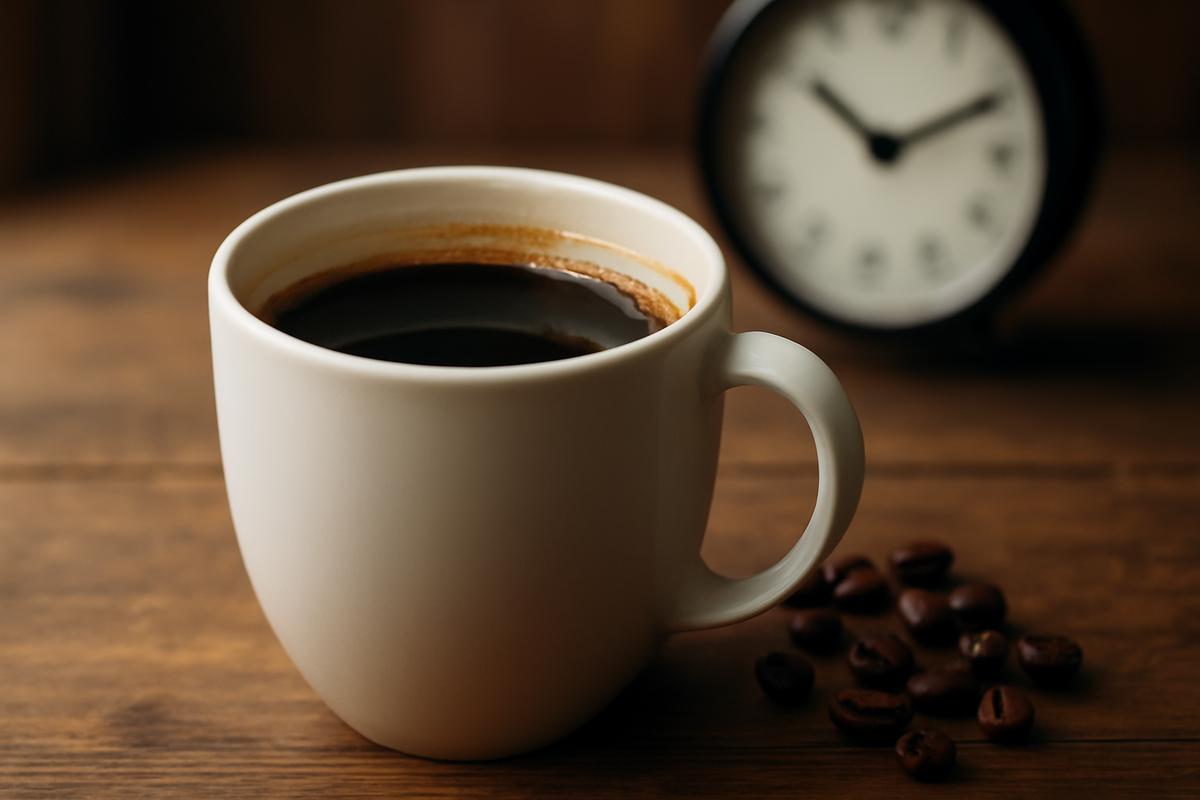
The second cup is never as good as the first, is it? Morning you leans over a warm mug, steam curling into the soft light of a new day, and everything feels sharp, alive, perfectly balanced. The coffee is rich, rounded, almost sweet. Then it’s 2:13 p.m., you wander back to the kitchen for an afternoon pick-me-up, and suddenly your favorite beans have turned on you. Same bag, same grind, same machine. But now there’s a harsh edge, a dry bitterness that clings to your tongue like overcooked greens. You stare into the cup, puzzled, wondering if you did something wrong—or if your taste buds are just broken after lunch.
When the Clock Messes With Your Coffee
Hidden beneath that shift from silky morning comfort to sharp afternoon bite is a quiet story your body has been telling all along. Taste is not just about what’s in the cup; it’s about who you are in the exact moment you drink it—your hormones, your sleep debt, your stress levels, even the light streaming in through the window.
Scientists call it your circadian rhythm: the internal 24-hour clock choreographing your energy, alertness, hormones, and yes, your perception of flavor. In the early hours, your brain and body are just waking, systems ramping up like a slow sunrise. By midday, another pattern emerges: hormones like cortisol, which help you feel focused and awake, start to dip from their morning peak. Your body’s chemistry is reshuffling the deck, and your taste experience gets caught in the shuffle.
Bitterness is one of the most complex sensations we can perceive. Unlike sweetness, which our brains often welcome as a sign of energy, bitterness carries evolutionary baggage—it’s the taste that used to warn us of toxins and danger in wild plants. That alarm system doesn’t switch off at noon, but the volume knob gets nudged up or down depending on your internal rhythm. For many people, the sensitivity to bitter compounds shifts across the day, like the slow turning of a dial you never realized was being adjusted.
So when your 9 a.m. pour-over glows with notes of chocolate and caramel, it’s not just because the beans are “better” in the morning. It’s because you, in that moment, are a different taster. By the time afternoon rolls around, the same roast can feel thinner, harsher, or more astringent—not because the coffee changed, but because your body did.
The Science of Bitterness Living on Your Tongue
Imagine your tongue as a dense forest of receptors, each tiny tree tuned to a different chemical vibration. Some respond to sugars, some to acids, some to savory amino acids, and a remarkable number are dedicated to picking up bitterness. Humans have dozens of different bitter receptors, each with its own specialty—caffeine, quinine, plant alkaloids, and other compounds we’ve learned to sip, nibble, and chew anyway.
Now imagine those receptors as slightly more irritable in the afternoon. Several studies on taste perception suggest that sensitivity can fluctuate with time of day, sleep, and even stress. When you’re tired or slightly dehydrated, the same amount of caffeine or roast compounds can feel more aggressive. Add in the lingering flavors of lunch—garlic, onions, spices, or even the simple sweetness of bread—and the stage is set for coffee to taste dramatically different.
Our brains also adapt quickly to repeated stimulation. That first morning cup is like the opening chapter of a book: the plot is fresh, the characters vivid. By your third or fourth coffee of the day, your brain has begun to predict the experience, placing more emphasis on the edges—the bitterness, the acidity, the dryness—rather than the comforting middle notes. It’s as if the soundtrack to your favorite movie suddenly had the volume turned up on all the sharp, discordant sounds you usually ignore.
On top of that, caffeine itself is a master trickster. It doesn’t just taste bitter; it also blocks certain receptors in the brain that normally respond to a molecule called adenosine—your internal “sleep pressure” signal. Block the signal, feel more awake. But your body doesn’t like being ignored. It responds with a chorus of subtle pushbacks: changes in blood pressure, heart rate, stress hormones. All of this can bend the way you experience flavor toward the edgier, drier side as the day wears on.
| Time of Day | What Your Body Is Doing | How Coffee May Taste |
|---|---|---|
| Early Morning | Cortisol rising, senses waking, palate relatively “clean.” | Round, smooth, sweeter and more aromatic. |
| Late Morning | Alertness high, taste receptors active but stable. | Balanced; bitterness noticeable but pleasant. |
| Early Afternoon | Energy dipping, possible mild dehydration or fatigue. | More bitter, drier finish, less sweetness. |
| Late Afternoon | Body preparing for rest cycle, stress or hunger may creep in. | Harsh, sharp, sometimes “burnt” even with same beans. |
Hidden Culprits in Your Afternoon Routine
By the time the clock slides past noon, the day has already left its fingerprints all over your senses. You’ve eaten, talked, stared at screens, maybe rushed through emails or deadlines. All of that builds a quiet storm that ends up swirling right into your coffee mug.
Start with lunch. The fats in cheese, dressings, or fried foods can coat your mouth, dulling some flavors while exaggerating others. Sugary desserts or sweetened drinks shift your baseline expectations—after a sweet meal, coffee’s natural bitterness can feel like a slap instead of a gentle nudge. Acids from tomatoes, citrus, or vinegar can sensitize your tongue, making the coffee’s acidity feel harsher, more piercing.
Then there’s hydration. The further you move from morning, the more likely it is that you’re slightly dehydrated, especially if you’ve been sipping coffee or tea instead of water. A dry mouth changes everything. Saliva doesn’t just lubricate; it carries and softens flavors. With less of it, bitter compounds linger, clinging to your taste buds long after you swallow, stretching the perception of bitterness like an echo in an empty hall.
Stress is another silent player. Under pressure, your body releases stress hormones that don’t just speed your heart; they tune your sensory system toward anything that feels threatening or intense. Bitterness, already wired to be a warning sign, can suddenly feel louder and more insistent. The same cup that tasted balanced at 9 a.m. now seems aggressive at 3 p.m., simply because you’re reading every signal a little more defensively.
Layer on screen fatigue—dry eyes, tightened jaw, shallow breathing—and you have the perfect internal weather for a bitter cup. Your coffee hasn’t betrayed you; your day has just been louder than you realized.
The Coffee Itself: Brewing in the Shadow of the Afternoon
Of course, it’s not all in your head—or your hormones. Afternoon coffee often suffers from casual shortcuts. You’re less patient than you were in the morning. You rush the process. You assume muscle memory will carry you. That’s when bitter’s best friend shows up: over-extraction.
Over-extraction happens when water spends too much time stealing compounds from the coffee grounds, or when the grind size is too fine, or the coffee bed too compact. The earliest part of the brew brings out bright acids and delicate aromatics, then sweetness, then body. Leave the water in contact with the grounds too long, or make the grind too powdery, and you begin pulling out harsher, woody, and bitter flavors.
Now picture the afternoon version of you: distracted, perhaps answering a message while the kettle cools too much, or using the same grind size for a smaller serving, or topping off a half-pot left on the warming plate since the morning. Those “little” changes matter. Reheated coffee, or coffee left sitting on heat, breaks down—a slow stew of bitterness, flattened aromatics, and oxidized oils.
Even your choice of beans can conspire with the hour. Darker roasts, while comforting early in the day, carry more roast-derived bitterness that feels sharper as your palate tires. Lighter roasts, with their delicate acidity, can taste more sour or even astringent when your mouth is dry or your stomach is less settled after lunch. And if you generally increase the dose in the afternoon—more grounds per water to “make it stronger”—you’re also concentrating many of the bitter compounds along with the caffeine.
So the scene is set: a rushed brew, a tired palate, and a body already riding subtle waves of stress and fatigue. No wonder that cup tastes like it’s scolding you.
How to Outsmart the Clock and Sweeten the Afternoon
All of this isn’t bad news; it’s a map. Once you understand why your coffee seems to turn against you after noon, you can gently tip the balance back in your favor. You’re not powerless in this little ritual—you’re a collaborator.
Start with your own body. Before you grind the beans, drink a glass of water. Think of it as resetting the stage. A hydrated mouth softens the edges of bitterness and lets more subtle flavors through. If lunch was heavy or particularly spicy, give yourself twenty minutes before brewing, allowing the loudest flavors to fade and your taste buds to recalibrate.
Then, adjust the coffee itself. In the afternoon, consider:
- Using a slightly coarser grind than you would in the morning.
- Brewing for a few seconds less if you’re making espresso, or shortening the contact time for pour-over or French press.
- Reducing the dose just a little—often a gram or two less coffee per cup can smooth the bitterness without sacrificing character.
If your usual roast leans dark, try shifting to a medium or medium-light roast for your later cups. These often carry more natural sweetness and nuanced flavors that can withstand a tired palate. Alternatively, cold brew or flash-brewed iced coffee can soften bitterness through lower extraction temperatures, wrapping the same beans in a cooler, rounder profile.
Don’t underestimate the environment, either. Step away from your screen for five minutes. Open a window if you can. Change the light, the air, the pace. Smell the grounds freshly after grinding—really smell them. This simple pause turns your coffee from just another task into a small sensory ritual, and your brain responds by tuning back into pleasure rather than just fuel.
And if caffeine itself is pushing your body too hard by mid-afternoon, consider a half-caf blend: mixing regular beans with decaf to keep flavor rich but intensity lower. Sometimes the bitterness you’re tasting is not just chemical; it’s your body saying, “This is a bit much for me right now.” Listening to that is part of learning to taste.
Learning to Taste Time Itself
There’s something strangely beautiful about realizing that your coffee is a clock. Not just a measure of the hours you’ve been awake, but a mirror of how you move through them. The same beans that taste like silk at sunrise might feel like sandpaper by late afternoon—and that’s not a failure. It’s a conversation.
To really understand coffee, to lean into it as more than a background habit, you can start paying attention to those daily shifts. Brew the same coffee at different times and keep quiet mental notes. How does it hit your tongue at 8 a.m. versus 4 p.m.? Do you notice more fruit in the morning, more roasted notes later? Does your patience with bitterness change depending on how your day is going?
In the evening, when your body is winding down, that same bitterness that felt aggressive at 3 p.m. might now feel grounding, a tether to a slower pace. Or it might be simply too much, and a decaf or herbal brew feels kinder. The point isn’t to chase one “perfect” cup, but to recognize that flavor is alive, shaped by light and mood and hunger and fatigue.
When your coffee tastes bitter after noon, it’s not a sign that you’ve suddenly become bad at brewing or that the beans have lost their charm. It’s a small, sensory reminder that you are not a static machine. You are changing from hour to hour. Your tongue is carrying the stories of your meals, your worries, your screens, your thirst.
So the next time you cradle that afternoon mug and flinch at the bitterness, pause. Take a sip of water. Take a breath. Ask yourself what kind of day your tongue has had so far. Then, maybe, adjust the grind, soften the brew, or simply decide that today, you’ll let the morning hold the crown for best cup—and let the afternoon coffee be something gentler, kinder, more in tune with the body that’s drinking it.
Because in the end, your coffee is not just beans and water. It’s time, and you, in a cup.
Frequently Asked Questions
Why does my coffee taste more bitter in the afternoon than in the morning?
Your internal clock, stress levels, hydration, and what you’ve eaten all shift throughout the day. By afternoon, you’re often more tired, possibly dehydrated, and your palate is carrying flavors from lunch. Together, these changes make bitterness feel stronger and sweetness less noticeable, even when you brew the coffee the same way.
Is the coffee itself going bad during the day?
The beans don’t suddenly go bad after noon, but brewed coffee does deteriorate as it sits. Coffee left on a warming plate or reheated in the microwave breaks down aromatics and emphasizes bitterness. Freshly brewed cups almost always taste smoother and more balanced than coffee that’s been sitting for hours.
Can I change my brewing method to reduce afternoon bitterness?
Yes. Try a slightly coarser grind, a shorter brew time, or a slightly lower coffee dose. You can also experiment with brewing methods that naturally soften bitterness, like cold brew or flash-brewed iced coffee. Small adjustments in grind and time can make a noticeable difference in how bitter your afternoon cup feels.
Does drinking water really help my coffee taste better?
It does. A hydrated mouth allows flavors to move more freely and prevents bitter compounds from clinging too long to your taste buds. Drinking a glass of water before your afternoon coffee can soften harsh edges and help you perceive more sweetness and nuance.
Should I avoid caffeine entirely after a certain time?
That depends on how sensitive you are. If afternoon coffee leaves you jittery, anxious, or unable to sleep, your body may be telling you it’s had enough. Switching to half-caf or decaf later in the day can still give you the comfort of the ritual and the flavor of coffee, without pushing your system too hard—or making every sip taste like a bitter warning.

Hello, I’m Mathew, and I write articles about useful Home Tricks: simple solutions, saving time and useful for every day.