Why cold hands signal circulation issues
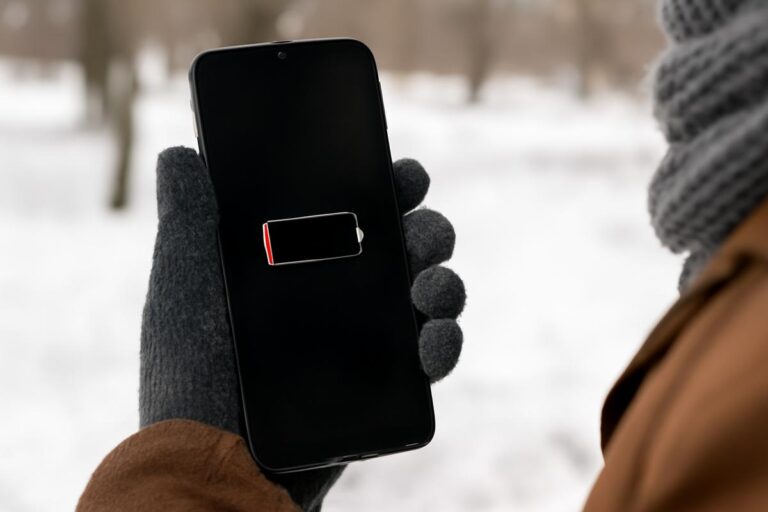
The first thing you notice is the sting. You slip your hands from your pockets, reach for a metal door handle, and the cold bites so sharply it almost feels personal. Your fingers blanch, the color draining like someone turned down a dimmer switch beneath your skin. Maybe you laugh it off—“Wow, my hands are always freezing”—and tuck them back into your sleeves. But somewhere in the back of your mind, a question lingers: Why are my hands always the coldest part of me?
The quiet language of cold fingers
Our bodies speak in small, persistent signals long before they raise alarms. Cold hands are one of those whispers, a quiet Morse code tapped out beneath the skin. You feel it when you’re holding a warm mug and your fingers stay stubbornly icy, or when you shake someone’s hand and they flinch a little at how chilled you are.
On the surface, it seems simple: the world is cold, and your hands are exposed. But biology is rarely that simple. What you feel at your fingertips is often a reflection of what’s happening deep inside—inside the pipes and pathways that carry life through you.
Circumstances shape these sensations. Maybe you spend long hours at a desk, barely moving. Maybe you smoke, or you’ve been more anxious than usual, or you’re dealing with an illness whose name you barely remember from a rushed doctor’s visit. Meanwhile, your blood vessels and nerves are running their own private drama, deciding how much warmth your hands deserve.
Circulation, at its core, is storytelling in motion—oxygen, nutrients, heat, and hormones sweeping through your body in endless loops. When that movement falters, your hands are often the first to break the news.
When your body chooses its priorities
Imagine you’re standing on a windswept ridge in late autumn, hands bare, wind slicing through your coat. Your body, sensing the drop in temperature, does something brilliant and a little ruthless: it triages.
Your brain, heart, and lungs are the VIP guests at this survival party. Your fingers and toes? They’re more like late additions to the invite list. So your body pulls blood away from the edges and redirects it inward, tightening small blood vessels in your hands and feet to conserve heat for your core.
This process—called vasoconstriction—isn’t just smart; it’s lifesaving. By shrinking blood vessels near the skin, your body slows heat loss and buys time against the cold. For many people, that’s where the story ends: fingers tingle, maybe turn pink or red, and then warm back up once they’re tucked inside gloves or around a mug of tea.
But what if your hands feel cold when the room is warm? What if you’re sweating under a blanket, yet your fingertips feel like ice? That’s when the body’s survival tricks start to hint at a deeper story of circulation trouble.
The early clues you can feel, not see
Your circulatory system is a vast, branching forest of arteries, veins, and capillaries. Like trails in a woodland, some paths are wide and well trodden, others narrow and delicate. When blood doesn’t travel well through these smaller roads—especially the ones leading to your hands—you feel it as coldness long before you see anything dramatic.
The clues can be subtle:
- Fingers that go pale or bluish in mild cold
- Hands that take forever to warm up after leaving the outdoors
- A pins-and-needles sensation that shows up too often
- Skin on your hands that feels thinner, drier, or oddly fragile
Your hands, with their fine network of tiny vessels, are like sentinels at the edge of your internal world. They report back quickly when circulation falters, even if the bigger roads—the arteries feeding your heart and brain—haven’t yet sent any warnings.
When cold hands are more than “just how you are”
Many people shrug off cold hands as a quirky trait, like being left-handed or hating cilantro. There is some truth to that—genetics, body size, and hormones do play a role. But sometimes, those chilly fingers are a kind of weather report for what’s brewing inside your blood vessels and heart.
Common circulation players hiding behind cold hands
Circulation issues don’t always explode into sudden chest pain or dramatic collapse. Often, they creep, simmer, and whisper at the extremities first. Cold hands can be tangled up with several underlying conditions:
- Raynaud’s phenomenon – Here, the small arteries in your fingers spasm in response to cold or stress. Your fingers might turn white, then blue, then red as blood flow shuts down and surges back.
- Peripheral artery disease (PAD) – Plaque buildup narrows arteries that carry blood to your limbs. While it’s more notorious for leg pain, it can also affect blood flow to your hands.
- Low blood pressure – If your “pump pressure” is too low, your body may choose to under-deliver blood to the hands and feet.
- Heart conditions – A weak or struggling heart may not push blood as effectively to the far reaches of your body.
- Diabetes and nerve damage – Over time, high blood sugar can damage the nerves and blood vessels in your hands, subtly changing warmth, feeling, and healing.
Layered on top of these are lifestyle elements: smoking, sedentary hours, dehydration, rigid posture, stress. All of them shape how easy—or how difficult—it is for blood to make the journey to your fingertips.
The emotional weather that chills your hands
Stress deserves its own space in this story. Think of the last time you were anxious, really anxious—waiting for results, stuck in traffic, standing backstage. Your heart raced, your breath shortened, and maybe, without noticing, your hands went cold.
That’s your fight-or-flight response in action. Stress hormones like adrenaline tighten blood vessels in your skin and extremities to prioritize blood flow to your core and big muscles. If your life has turned into a series of low-level emergencies—constant notifications, tight deadlines, sleepless nights—your circulation can spend far too long in that tightened, stingy state.
Over time, your hands may become regular casualties of your stress-filled days, turning cold not just because of winter air but because your nervous system is perpetually braced for impact.
The map written on your skin
If you pay attention, your hands become a map—color, temperature, texture, and sensation all tracing patterns that point back to your circulation. They’re not perfect clues, and they don’t diagnose anything on their own, but they’re a living field guide to what’s happening underneath.
Notice the way your fingers look when you step from a warm room into the cold outside. Do they flush and tingle, then normalize quickly once you’re indoors again? Or do they morph through dramatic shades of white, blue, and red, staying painful or numb for long stretches?
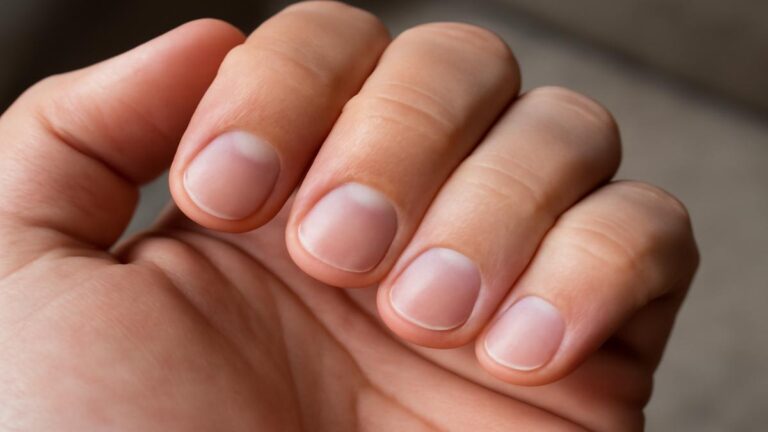
Think about how easily your knuckles bruise, how fast a little cut heals, whether your nails grow strong or brittle. When blood flow is steady and generous, healing is quicker, nails are well-fed, and color returns rapidly when you press a fingertip.
Even the feel of your pulse at your wrist or the back of your hand tells part of the story. Strong, regular, easy to find? Or faint, thready, elusive? These tiny details, taken together, create a portrait of your circulatory health.
| What You Notice in Your Hands | What It May Suggest About Circulation |
|---|---|
| Always cold, even in warm rooms | Reduced blood flow to extremities, low blood pressure, or vessel sensitivity |
| Color changes (white → blue → red) in the cold | Possible Raynaud’s phenomenon or exaggerated vessel spasms |
| Numbness or tingling in fingers | Nerve irritation, compromised blood flow, or both |
| Slow healing of small cuts | Circulation not delivering enough oxygen and nutrients for quick repair |
| Blue-tinged nails or fingertips | Lower oxygen levels in blood reaching the extremities |
This table isn’t a verdict; it’s a nudge. Each sign is an invitation to become more curious about what your body is trying to say.
Small rituals that warm the rivers inside you
The hopeful part of this story is that circulation is wonderfully responsive. The same way your hands quickly go cold in a gust of wind, they can just as quickly respond when you give your body better conditions to move blood smoothly.
Movement as internal weather
Every time you move, you send a pulse down the rivers inside you. Walk up the stairs, stretch your arms above your head, rotate your wrists—these small acts act like gentle gusts, clearing stagnation and encouraging flow.
Long, still hours are tough on your circulation. Blood pools, muscles tighten around vessels, and your hands, perched at the farthest edges of this network, get shortchanged. You don’t need heroic workouts to change that narrative. Consider:
- Standing up every 30–60 minutes to move, even for a minute or two
- Opening and closing your fists, rotating your shoulders, shaking out your arms
- Taking slow walks—indoors or outside—where your arms swing naturally
Each small effort is a message to your vessels: Open. Flow. Feed the edges, too.
Heat, layers, and gentle kindness
On a cold morning, there’s a simple sort of tenderness in wrapping your hands around a ceramic mug, feeling heat soak into your palms. Warmth itself is therapy for your vessels, coaxing them to widen and let more blood in.
Practical steps help more than we sometimes admit:
- Wearing layered gloves or mittens in cold environments, even if you “don’t feel that cold yet”
- Using warm water—not scalding—to rinse hands and gently encourage blood flow
- Drying hands thoroughly and moisturizing after washing to protect the skin barrier
- Keeping your core warm; when your torso is well-insulated, your body is more generous with blood to your hands
Sometimes, looking after your circulation begins with the simple decision not to ignore discomfort.
Listening closely enough to ask for help
There’s a certain stubborn pride many of us carry: the impulse to shrug off symptoms, to stay tough, to “wait and see.” Cold hands are so common that it’s easy to treat them like weather—annoying, but not serious.
And often, they aren’t serious. But sometimes, they are the earliest, softest hint of something more: a heart working too hard, arteries slowly narrowing, hormones drifting out of balance, nerves quietly fraying.
Your job isn’t to diagnose yourself. Your job is to notice patterns and respect them enough to ask questions.
Cold hands deserve a closer look when they’re joined by other signs, such as:
- Shortness of breath or chest discomfort with light effort
- Leg pain when walking that eases with rest
- Wounds on hands or feet that heal very slowly
- Frequent dizziness or episodes of faintness
- Pronounced color changes or painful attacks in the cold
In these moments, a health professional can step in like a skilled guide, reading the landscape of your circulation with tools you don’t have: blood pressure cuffs, Doppler devices, blood tests, imaging. What you bring to that encounter—your observations, your willingness to say, “Something feels off”—is just as essential.
Think of it this way: your hands are sending postcards from the frontier of your circulatory system. You can toss them aside, or you can read them and decide it’s time to look at the map together with someone who knows the terrain.
Rewriting the story your hands tell
There’s an almost poetic justice in how changeable circulation is. The same body that once let your fingers grow numb on the steering wheel can, over time, learn to send them more warmth, more oxygen, more life.
When you stop smoking, your blood vessels slowly regain some of their flexibility. When you reduce long stretches of sitting, your muscles act like pumps again, squeezing and releasing blood through your limbs. When you manage your stress—not perfectly, but better—your nervous system spends less time in fight-or-flight, and your vessels aren’t clamped down so hard, so often.
Your heart, your arteries, your tiny capillaries: they are not fixed. They respond to food, to movement, to sleep, to the way you breathe when you’re anxious, to the way you talk to a doctor when you’re concerned instead of staying quiet.
Cold hands are not a moral failing. They are not a verdict. They are, in many cases, the earliest and most compassionate form of warning your body has to offer. Before your chest aches, before your legs cramp, your fingers whisper, Something isn’t flowing the way it should.
So the next time you wrap chilled fingers in your sleeves and tell someone, “My hands are always freezing,” pause and listen to the story underneath. There might be a chance, right there in that small discomfort, to walk a different path—to move more, to breathe deeper, to ask for help sooner, to let your blood run freer.
Your hands, after all, are not just tools for holding and doing. They are early messengers from your inner rivers, reminding you that warmth is not only something you chase from the outside in—but something you can nurture from the inside out.
FAQ: Cold hands and circulation
Are cold hands always a sign of poor circulation?
No. Cold hands can simply reflect a normal response to low temperatures or having a naturally lower body temperature. However, when your hands are frequently cold in warm environments, or coldness is accompanied by pain, color changes, numbness, or other symptoms, it may point toward circulation issues or conditions like Raynaud’s phenomenon, low blood pressure, or heart and vessel problems.
How can I tell if my cold hands are something to worry about?
Be more cautious if you notice:
- Hands that turn white, blue, or deep red in the cold
- Frequent numbness, tingling, or burning sensations
- Persistent coldness even in warm rooms
- Slow-healing cuts or sores on your fingers
- Cold hands plus chest pain, shortness of breath, or leg pain when walking
These are all reasons to talk with a healthcare professional.
Can stress alone cause my hands to feel cold?
Yes. Stress activates the fight-or-flight response, releasing hormones that constrict blood vessels in your skin and extremities. This can make your hands and feet feel cold, clammy, or numb, even if the room is comfortable. Chronic stress can keep your vessels tighter than they need to be, turning cold hands into a frequent companion.
What simple things can I do daily to improve circulation to my hands?
Helpful habits include:
- Moving regularly—standing, stretching, and walking throughout the day
- Keeping your core and hands warm with layers and gloves
- Staying hydrated so your blood isn’t overly thick
- Avoiding smoking and limiting time in very cold environments
- Practicing slow, deep breathing or relaxation exercises to ease stress
When should I see a doctor about cold hands?
Seek medical advice if:
- Your hands change color dramatically in response to cold or stress
- Coldness is accompanied by persistent pain, sores, or nail changes
- You have dizziness, chest discomfort, or shortness of breath along with cold extremities
- You have a history of heart disease, diabetes, or circulation problems and notice new or worsening coldness in your hands
Your hands may be the first place a circulation issue makes itself known; taking them seriously can help protect your whole body.

Hello, I’m Mathew, and I write articles about useful Home Tricks: simple solutions, saving time and useful for every day.