Why your water tastes different at night
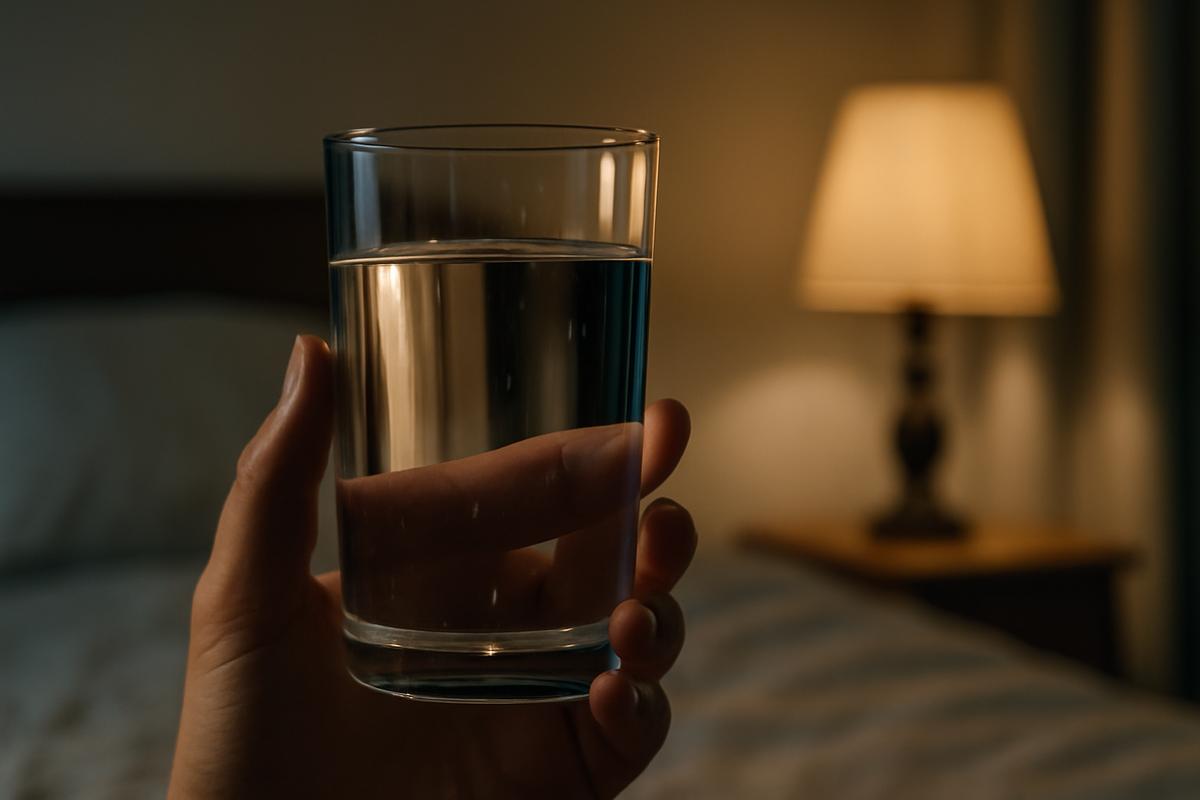
The glass is the same. The tap is the same. The water is, technically, the same. Yet somehow, at 2:17 a.m., when you pad barefoot into the kitchen and drink in the hush of your sleeping home, the water that slips across your tongue doesn’t taste like it did at noon. It’s flatter, or sweeter, or slightly metallic. Maybe a little warmer, or oddly musty. You stand there in the dim refrigerator light, half-awake, wondering: what changed between daylight and dark? Why does your water taste different at night?
The Quiet Kitchen Experiment
Imagine this: you wake to a dry throat, that scratchy kind of thirst that feels almost dusty. The house is dark and still, except for the tick of a clock and the gentle hum of an appliance. You shuffle into the kitchen, reach for the same glass you used earlier, and fill it from the same faucet. The first sip feels… off.
You pause. It’s not bad, exactly—just different. A little less crisp than you remember. Maybe there’s a faint aftertaste that wasn’t there before, something you’d struggle to put into words if someone asked. If you’ve ever blamed “night water” for tasting strange, you’re not alone. Many people quietly accept this as a sort of domestic folklore, a small mystery of the midnight hour.
But the story of why water tastes different at night is actually a woven braid of biology, chemistry, and the subtle theater of your home itself. It’s the taste buds in your mouth, the plumbing in your walls, the air in your kitchen, and your own sleepy brain, all conspiring together. In the quiet of night, you’re not just drinking water—you’re sipping a snapshot of your environment, your habits, and your body’s internal clock.
The Night Inside Your Mouth
Before looking at pipes or taps, it helps to start with the place where the water actually meets its critic: your tongue.
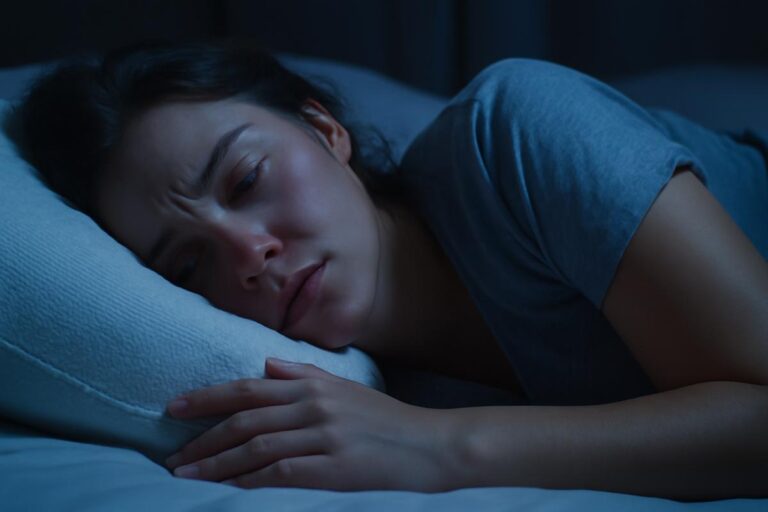
All day, your mouth is a busy intersection. You talk, eat, sip coffee, snack, brush, chew gum. Your saliva flows more freely, helping wash away food particles, balance acidity, and keep your taste buds ready for action. But when night falls and you drift off to sleep, your body slows that production. Saliva becomes scarce. Your mouth dries out, especially if you sleep with your mouth slightly open or breathe through your mouth due to congestion.
By the time you wake in the middle of the night, your tongue is coated with a thin film of whatever the day left behind: traces of toothpaste, microscopic food particles, bacteria, and dead cells. This is the same ecosystem that greets you in the morning as “morning breath,” but at 2 a.m., it’s already well underway.
When you take that first sip of water, it doesn’t just meet a neutral, clean surface. It mingles with that film, diluting, loosening, and carrying some of it across your tongue. The result? The water seems to have a taste that isn’t there during a fresh, midmorning sip. What you’re tasting is partly your own mouth.
Your Senses on Night Mode
There’s another twist: your body’s internal clock doesn’t only regulate sleep and wakefulness; it also nudges your senses into different gears throughout the day. At night, your sense of taste can be dulled or skewed. You may be less alert, less able to parse subtle flavors, but more attuned to anything that feels “off” or surprising.
In the quiet of darkness, with fewer distractions, your brain pays more attention to small changes. The soft ring of the fridge motor, the creak of the ceiling, the faint hum outside the window—and yes, the flavor of your water. In daylight, you might gulp quickly, barely noticing. At night, that same glass becomes a minor event, a moment of focus. Your attention amplifies sensation, making tiny differences feel much bigger.
What Happens to Water While You Sleep
Now step away from your tongue and look at the glass itself. One of the most common reasons water tastes different at night comes down to something very simple: it’s been sitting.
Picture a glass of water poured at 9 p.m. and abandoned on your nightstand. By 2 a.m., that perfectly clear, innocent-looking water has been quietly interacting with the air in your room. Dust particles, microscopic bits of skin cells, household odors, and even tiny amounts of carbon dioxide are mingling with its surface.
Carbon dioxide in the air can dissolve into the water over time, very slightly lowering its pH, nudging it toward a tiny bit more acidity. It won’t turn it into soda, of course, but that delicate shift can change the way your tongue interprets its flavor—sometimes making it taste staler or flatter. Meanwhile, volatile compounds from your home—the faint aroma of last night’s dinner, cleaning products, or scented candles—might hover around long enough to whisper their way into your water.
Then there’s temperature. Water left out at room temperature gradually warms to match the air around it. Cold water tends to taste fresher, cleaner, more refreshing because low temperatures dampen some of the flavors you might associate with pipes or minerals. Warmer water lets more of those subtle notes rise to the surface. The same minerals that once seemed invisible now feel more pronounced. Your brain says, “This doesn’t taste like what I had earlier,” even though chemically, it’s nearly identical.
A Tiny Theater in a Glass
In a sense, the water on your bedside table becomes a tiny stage on which invisible forces perform through the night:
| Change Over Time | What’s Happening | How It May Taste |
|---|---|---|
| Temperature rises | Cold water warms to room temperature. | Less crisp, more “flat” or dull. |
| Air contact | Dust and odors settle on or near the surface. | Slight musty or stale notes. |
| CO₂ dissolves | Carbon dioxide from air changes water’s pH slightly. | Very subtle tang or “off” aftertaste. |
| Time passes | More time for all of these effects to build. | Stronger impression of staleness or odd flavor. |
None of these changes are usually harmful under normal household conditions. But added together, they become something that feels distinctly like “night water”—soft around the edges, slightly tired, a little foreign to your daytime tongue.
The Midnight Life of Your Plumbing
Not all night water has been sitting out. Sometimes you get up, turn the tap, and fill a fresh glass. Even then, it may taste different. To understand why, you have to step into the hidden network of pipes that feed your faucet.
During the day, water moves through your home in fits and bursts. You shower, run the dishwasher, wash your hands, water plants. The water in the pipes is frequently replaced, constantly moving. But at night, when everyone’s asleep, those same pipes become quiet chambers. The water rests.
As it sits, it interacts with the materials around it: metal pipes, rubber seals, plastic fittings, and sometimes sediments that have settled in low points of the system. If you live in an older home with metal pipes, tiny traces of metals can dissolve into the water during these long pauses. Modern systems are designed to minimize this, but the effect can still be enough to tweak taste—sometimes adding a faint metallic note you notice most in that first run of the tap after hours of stillness.
City, Suburb, or Well: Each Has a Night Personality
The kind of water you drink also influences how it behaves overnight. Consider a few common scenarios:
- Chlorinated city water: Municipal systems often use chlorine or chloramine to disinfect. These compounds can give water a sharp, pool-like smell or flavor. When water sits in your pipes for a while—say, overnight—the character of that chlorine taste can change. A quick burst in the morning might bring a more noticeable hint of it, or the very first seconds out of the tap might taste stronger or “staler” than water that’s been flowing for a minute.
- Well water: If your water comes from a private well, it may carry more minerals, and sometimes subtle earthy or metallic tones from the surrounding geology. Overnight stagnation gives those flavors a bit more time to deepen in your pipes and pressure tank, making morning or midnight water taste subtly different from daytime water drawn after multiple uses.
- Filtered water: If you use a pitcher filter in the fridge, water can pick up faint flavors from the plastic container itself, especially as it ages or if the filter isn’t changed regularly. In the stillness of night, as the water chills and rests, minor plastic or musty notes might grow a little more noticeable.
There’s also pressure to consider. Water systems, especially in cities, can experience small changes in pressure at night when demand drops. In some areas, maintenance or flushing of mains is scheduled for late hours, which may occasionally nudge flavor or clarity enough that you sense a difference at the tap compared to midday.
The House Around the Glass
Stand again in your dark kitchen for a moment. The flavor of the water in your hand isn’t born only in pipes and faucets; it’s shaped by the entire room surrounding it.
At night, your home’s microclimate subtly shifts. Doors are closed, windows shut, air circulation lowered. If you use air fresheners or scented candles in the evening, their lingering fragrance may hover more densely in the cooled, enclosed air. Cooking odors from dinner might still be faintly present, especially oils and spices that cling to surfaces and float invisibly in the air.
All of these particles and vapors can influence how you perceive flavor. When you raise the glass to your lips, your nose joins the experience, pulling in the scent of the room along with the water. Taste and smell are deeply intertwined. A hint of garlic in the air, or the ghost of last night’s fried food, can cast a shadow over your sip, tricking you into feeling that the water itself has changed more than it really has.
Even the light matters. In the dim blue from the fridge or the faint streetlight glow, your visual cues are muted. You don’t see the water quite as cleanly or clearly as in daylight. Without that reassuring sparkle, your brain leans more heavily on your other senses—and sometimes on your imagination.
Memory, Mood, and the Story You Tell Yourself
There’s also a quiet psychological layer. At night, you’re often groggy, maybe a little anxious, more aware of every unfamiliar creak. Your brain is prone to noticing tiny anomalies and turning them into stories. A slight oddness in flavor might feel bigger, more suspicious, more memorable.
By contrast, in the middle of a busy day, you might drink three glasses of water while half-distracted by emails, conversations, and noise. Any minor variation at the tap simply vanishes into the background hum of activity. At night, each sip is a solitary act. You remember it more clearly. The story of “water tastes weird at night” gets a fresh chapter, reinforcing itself the next time you rise in the dark and feel that same subtle strangeness.
Can You Make Night Water Taste Like Day Water?
Once you understand the quiet choreography of tongue, air, pipes, and mind, you can start to gently shift the script. If you like the ritual of nighttime sipping but not the altered taste, there are small, almost ceremonial adjustments you can make.
- Use a covered container: Instead of leaving an open glass by your bed, try a bottle with a cap or a carafe with a lid. This blocks dust and limits contact with air, helping keep the taste closer to how it was when you poured it.
- Rinse your mouth first: A quick swish of clean water before you take a “real” sip can wash away some of the night’s buildup on your tongue, giving the water a fairer stage to perform on.
- Run the tap briefly: If you’re filling a glass directly from the faucet at night, let it run for a few seconds to flush out any water that’s been resting in the pipes.
- Keep it cool: Chilled water usually tastes fresher. A bottle in the fridge or an insulated container near your bed can keep temperature from drifting too far upward through the night.
- Refresh daily: Empty and rinse your bedtime glass or bottle each morning instead of letting yesterday’s leftovers linger. Old residue in the container can subtly influence tonight’s taste.
These are small acts, but they can transform that half-asleep gulp from something you tolerate into a tiny moment of quiet satisfaction—one that feels as clear and vivid as a sip taken in bright daylight.
The Secret Intimacy of a Nighttime Sip
There’s something intimate about drinking water in the dark. In those moments, you’re stripped down to basics: thirst, movement, sensation. No recipes, no caffeine, no ice cubes clinking cheerfully in the glass. Just you and the simplest drink, made suddenly complex by the timing.
When water tastes different at night, it’s not simply a quirk of plumbing or the universe playing tricks. It’s a reminder that even the plainest parts of our lives are quietly alive. Your home shifts when you sleep. Your body changes. The air changes. Pipelines hum and pause. The glass on your nightstand has a life that unfolds while you dream.
So the next time you find yourself standing in the hush of your kitchen, glass in hand, tongue catching that hint of strangeness, you can see it for what it is: not a flaw, but a story. A story of still pipes and sleepy taste buds, of dust motes and dissolved gases, of attention sharpened by silence. The water is telling you where it’s been, what it’s touched, how long it’s waited.
And as you swallow, you’re not just quenching a midnight thirst. You’re sipping the night itself.
FAQ
Is it safe to drink water that has been sitting out all night?
In most homes, water that has been sitting in a clean glass for a single night is generally safe for a healthy person. However, it can collect dust, tiny particles, and possibly bacteria from the environment over time. If the water looks cloudy, smells unusual, or has been sitting for more than a day or two, it’s better to pour a fresh glass.
Why does water from my bathroom tap taste different at night than from the kitchen?
Bathroom and kitchen taps may be connected to different stretches of plumbing, made with slightly different materials or lengths of pipe. Water that sits longer in a lesser-used bathroom line can pick up more flavors from pipes or fixtures. At night, when use is minimal, those differences become more noticeable in the first few seconds of flow.
Does the type of glass or bottle change how night water tastes?
Yes. Plastic bottles can sometimes release faint flavors into water, especially if they’re older or stored in warm places. Certain metals and poorly glazed ceramics can affect taste as well. Glass is usually the most neutral option, and a clean, covered glass or bottle will keep flavors closest to “fresh.”
Why does cold water taste better than warm water at night?
Cold temperatures mute many subtle flavors, especially metallic or chemical notes. When water warms to room temperature on your nightstand, more of those background tastes become noticeable. Cold water also feels more refreshing to a dry mouth, which your sleepy brain interprets as “better” or “cleaner.”
Should I be worried if my night water tastes metallic or strongly off?
A very faint metallic note can sometimes come from pipes after water has been sitting. But if you notice a strong, persistent metallic, chemical, or rotten-egg smell or taste—day or night—it’s worth having your water and plumbing checked. That can indicate pipe corrosion, contamination, or issues with your water source that go beyond normal nighttime flavor shifts.

Hello, I’m Mathew, and I write articles about useful Home Tricks: simple solutions, saving time and useful for every day.