Why your lips crack more at night
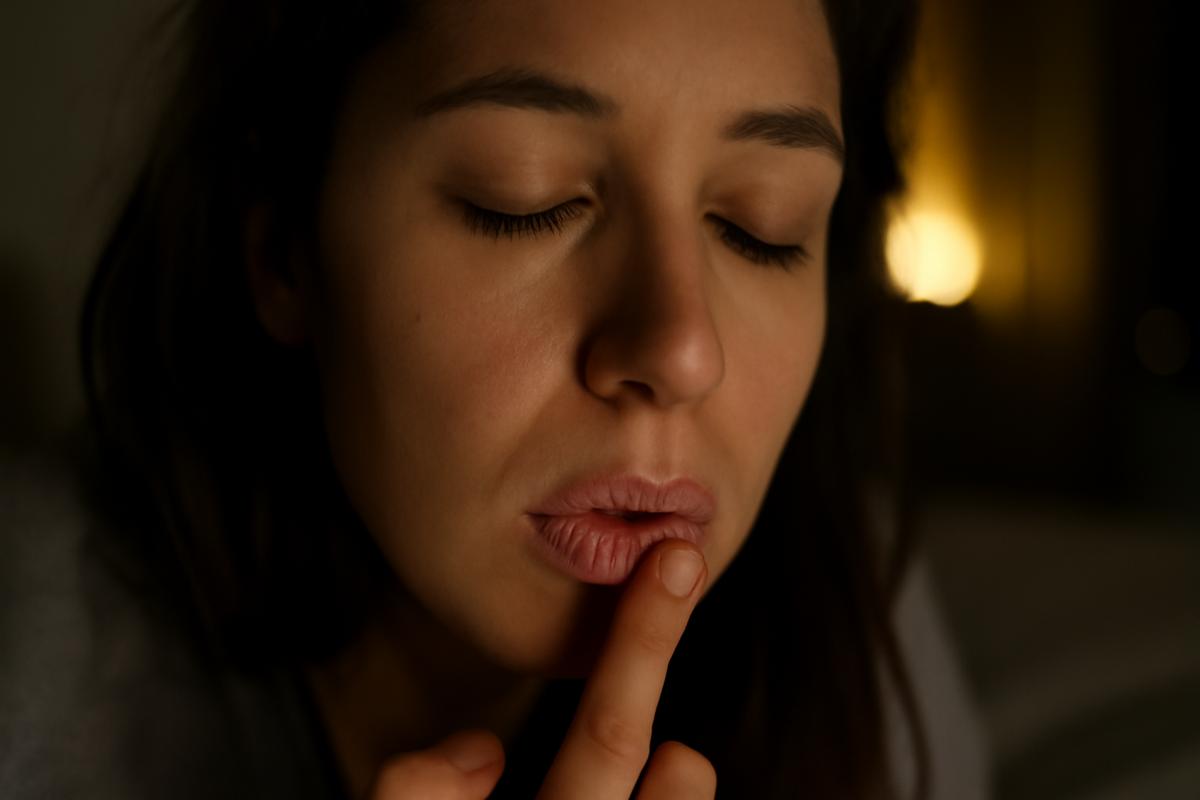
The first time you notice it is usually in the dark. You’re half-awake, rolling over to the cool side of the pillow, and there it is: that tight sting at the corner of your mouth, the faint pull of dry skin every time you swallow. Your tongue tests your lips and finds them rough, almost grainy. By morning, there’s a thin, angry crack that wasn’t there yesterday. You put on balm, drink some water, promise yourself you’ll take better care. Yet somehow, night after night, your lips always seem worse when the world goes quiet.
The Quiet, Invisible Thirst of the Night
Our lips live in a strange in-between world. They’re not quite like the rest of our skin, and not quite like the inside of our mouth. During the day, you notice them constantly: they’re moving when you talk, stretching when you smile, brushing against cups, catching drops of water or coffee or soup. You reapply lip balm in elevators and at red lights. They’re part of your conscious world.
But at night, your lips are abandoned to the small ecosystem of your bedroom—its air, its temperature, its stillness. The thermostat ticks down a degree or two. The hum of outside life quiets. Your body slips into slower rhythms. And this is when the subtle dehydration process really begins to show itself.
Think about what changes the moment you fall asleep. You’re no longer sipping water. You’re not licking your lips because you notice they feel tight. If you breathe through your mouth—even a little—each exhale carries a whisper of moisture with it, away from your lips. Hour after hour, that unnoticed breath can strip more hydration than a whole dry afternoon.
Lips crack more at night not because the universe is cruel, but because night is when all the quiet, background forces that pull water out of your skin finally add up. Your body is resting. Your habits are on pause. And your lips, with their thin, delicate skin, are left defenseless in the dark.
The Secret Life of Lip Skin
To understand why your lips suffer so much overnight, you have to zoom in on what lip skin really is. Run a finger across your forearm and then across your lips. Feel the difference? Regular skin is layered, thicker, and reinforced with a protective shield of oils and, importantly, melanin and keratin. Your lips, by contrast, are almost naked.
Lip skin is significantly thinner than the skin on most parts of your body and has almost no oil glands. That means no built-in moisturizer, no ready-made shine, and far less protection. When the rest of your skin begins to dry out, your lips race ahead, losing moisture faster and showing the damage sooner.
At night, this delicate structure becomes particularly vulnerable. Here’s what’s quietly working against your lips while you’re dreaming:
- No oil production: Since lips don’t have sebaceous (oil) glands, they can’t restore their own oily barrier as your face might.
- Thin barrier: The outermost layer is fragile and semi-transparent, which is why your natural lip color shows as pink or red. It also means moisture can escape easily.
- Increased water loss: Transepidermal water loss—the slow, constant movement of water from inside your body out through your skin—happens all the time, but thin lip skin makes that journey easier.
During the day, drinking and eating interrupt this process. At night, there are no interruptions. Your lips become little unprotected shores, and the air around you is the tide pulling water away, grain by grain.
Night Air: A Silent Thief
Many people imagine nighttime as a naturally moisturizing time. After all, we associate sleep with rest, renewal, deep hydration. But bedroom air can be one of the most drying environments you encounter all day.
Heaters in winter roast the moisture right out of the air. Air conditioning in summer chills and dehumidifies it. Even if you don’t feel the air as particularly dry, your skin does. And your lips, with no oil shield and barely any protective covering, do most of all.
If you’ve ever woken up with a dry throat and cracked lips after sleeping with a fan pointed at your face, you’ve experienced this air-thief effect in high definition. Air movement across the lips accelerates evaporation. It doesn’t just “dry” them; it actively pulls moisture out faster than still air would.
In this quiet battle, the environment isn’t loud or dramatic. It’s simply consistent. Hour by hour, night after night, your lips are being slowly un-watered.
How Your Sleeping Habits Shape Your Lips
It can feel strange to think that the way you sleep might affect the way your lips feel. Sleep seems passive, something that just happens to you. But your sleeping position, your breathing, and your small unconscious habits can change the landscape of your mouth overnight.
Mouth Breathing and the Desert Effect
If you sometimes wake up with your mouth slightly open, or if someone’s told you that you snore, there’s a strong chance your lips are battling a nightly wind tunnel. When you breathe through your mouth instead of your nose, air continuously passes over your lips and the moist surfaces inside your mouth.
That air wicks away moisture every time you exhale. It’s like hanging a damp cloth in front of a gentle fan: it will dry faster, even if the air doesn’t feel aggressively dry. Your lips, with their lack of oil glands, can’t compensate. They simply give up their water, then begin to flake, then crack.
For some people, mouth breathing is occasional—a cold, allergies, or deep, exhausted sleep. For others, it’s every night, for years. If you’re in that second group, your lips might feel like they’re aging faster than the rest of your face, because in a sense, they are. Chronic dryness accelerates the breakdown of that fragile outer layer.
Pillow Pressure and Hidden Irritants
Your pillow might seem like the softest thing you own, but to your lips, eight hours pressed against it can still be rough treatment. Maybe you sleep on your side, lips pushed against cotton that’s been washed a hundred times with a strongly scented detergent. Maybe you drool a little, and the mix of saliva and friction gently irritates the skin around your mouth.
Saliva, surprisingly, isn’t kind to your lips in large doses. It contains digestive enzymes designed to break down food. When it sits on the skin for too long, it can start to irritate and strip the delicate lip surface. The combination of saliva, fabric, and pressure can turn the corners of your mouth and lower lip into a recurring sore spot every morning.
Add to this any lingering traces of toothpaste, spicy dinner, or drying lipstick you forgot to remove, and your lips may be going to bed with a whole cocktail of irritants they never signed up for.
Hydration Myths You Tell Yourself Before Bed
There’s a small ritual many people have before bed: a quick sip of water, a hurried swipe of lip balm from a tube found at the bottom of a bag, maybe even a bit of licking the lips for good measure. Then the lights go off, and you assume your job is done.
But your lips are not convinced.
“I Drink Tons of Water; I Should Be Fine”
Internal hydration absolutely matters, but the journey from the water you drink to the moisture in your lips isn’t direct or immediate. Your body triages water carefully. It sends it first to places that keep you alive—organs, blood, brain. The lips are, frankly, low priority in that emergency supply chain.
If you drink most of your water early in the day and taper off in the evening, you might go to bed in a mild state of dehydration without even realizing it. Add in salty dinners, alcohol, or caffeine, and your overnight water reserves shrink even more. By 3 a.m., your lips are running on fumes.
That’s why people who consider themselves “good water drinkers” are often puzzled by their cracked lips at night. Hydration isn’t just what you drink; it’s when you drink, how consistently, and what else your body is juggling at the same time.
The Lip Balm That Makes Things Worse
Not all lip balms are friends. Some are more like charming acquaintances that never call you back. Balms with strong fragrances, menthol, camphor, or high levels of certain waxes and drying alcohols can feel comforting—cooling, even addictive to reapply—but they may actually irritate or dry your lips over time.
At night, you typically apply once, then ignore your lips for hours. If that balm contains irritants or doesn’t seal in moisture effectively, your lips might be worse off at sunrise than they were at bedtime. It’s the difference between tucking them in under a warm blanket or leaving them in a thin, scratchy sheet that doesn’t really keep out the cold.
The most helpful nighttime balms tend to be thicker, more occlusive, and less flashy. They sit heavy on your lips, like a tiny sleeping bag—more practical than glamorous.
| Nighttime Factor | How It Affects Your Lips | Result by Morning |
|---|---|---|
| Mouth breathing | Constant airflow strips surface moisture | Tight, flaky, often sore lips |
| Dry bedroom air | Accelerates water loss through thin lip skin | Cracking, especially in the center of the lips |
| Irritating lip products | Fragrances and menthol cause micro-irritation | Burning sensation, peeling, repeated cracking |
| Infrequent water intake | Body prioritizes internal organs over skin | Overall dryness, lips show it first |
| Saliva on lips | Digestive enzymes irritate skin barrier | Sore corners of mouth, red patches |
What Your Lips Are Trying to Tell You
Lips are small, but they are loud messengers. Cracking isn’t just a cosmetic annoyance; it’s a signal, a tiny red flag waving from the border between your inner and outer world. When your lips crack more at night, it’s often your body’s quiet way of saying, “Something in this nighttime environment, or in how you’re ending your day, isn’t working for me.”
Sometimes, the message is simple: you’re dehydrated, your room is too dry, your balm is more perfume than protection. But sometimes, it’s a clue about deeper things:
- Chronic mouth breathing might hint at nasal congestion, allergies, or even sleep apnea.
- Persistent corner cracks could suggest irritation from drooling, yeast overgrowth, or nutritional shortfalls like low iron or B vitamins.
- Severe, stubborn dryness might be linked to medications, autoimmune issues, or skin conditions like eczema or psoriasis.
We’re used to ignoring small discomforts, to brushing them off and reaching for a stronger balm. But tuning in to your lips’ nightly story can be an invitation to pay deeper attention—to your sleep, your breathing, your room, and the quiet ways your body is asking for a little more care.
Creating a Night Ritual Your Lips Can Trust
Imagine your nighttime lip care as tucking a child into bed. You wouldn’t just open a window, turn on a fan, hand them a thin sheet, and hope they wake up warm. You’d consider the room temperature, the weight of the blanket, the softness of the pillow, the comfort of the darkness.
Your lips want that same tenderness. They respond beautifully to small changes:
- A glass of water in the late evening, not chugged at once, but sipped.
- A gentle cleanse of your face and lips—removing lipstick, food residue, toothpaste.
- A balm or ointment that feels dense and steady rather than tingly or strongly scented.
- A pillowcase washed in mild, fragrance-free detergent.
- A fan angled away from your face instead of directly on it.
None of this is dramatic. It won’t make your lips famous. But over time, it can quietly shift your mornings from “Ow, what happened?” to “Oh, they actually feel okay today.” And in the soft, unremarkable middle of an ordinary day, that can feel like a small miracle.
Letting Your Lips Rest When You Do
Night is supposed to be the time when everything softens: your shoulders, your jaw, the endless loop of your thoughts. Yet for so many people, it’s the time when their lips begin a long, dry negotiation with the air, the bedding, and the habits that follow them into sleep.
Once you know why your lips crack more at night, you start to notice the tiny details that make up your evenings. The extra salty snack. The heater clicking on. The way you fall asleep with your hand under your cheek, pressing your lower lip into the pillow. Each of these is a brushstroke in the quiet painting of your nightly dryness.
The answer isn’t to obsess, or to surround your bed with humidifiers and jars of balm like some kind of lip fortress. It’s simpler, and more human than that. It’s about listening. About accepting that your lips are a little fragile by design—and that fragility is part of what makes them expressive, soft, alive-looking.
When you take a few moments at night to consider what they’re up against, and to offer a bit of intentional care, you’re not just preventing tiny cracks. You’re participating in a small act of kindness toward yourself, repeated every evening, in the quiet moments before sleep.
And maybe, the next time you wake up in the dark and your tongue reaches instinctively for your lips, you won’t find that harsh, grainy edge. Instead, you’ll feel something simple: softness, held together through the night.
FAQ
Why do my lips feel fine during the day but crack overnight?
During the day, you’re drinking, eating, talking, and reapplying balm. All of that gives your lips periodic moisture and protection. At night, there’s no water intake, no conscious care, and often dry bedroom air or mouth breathing. Over several uninterrupted hours, thin lip skin loses enough moisture to crack by morning.
Does sleeping with my mouth open really make that much difference?
Yes. Mouth breathing passes air over your lips and oral tissues constantly, speeding evaporation. Even a small gap can dry your lips significantly over six to eight hours. If you often wake with a dry mouth, sore throat, or cracked lips, mouth breathing is likely a major factor.
Can licking my lips before bed help keep them moisturized?
It feels comforting for a moment, but it usually makes things worse. Saliva evaporates quickly and takes more moisture with it, leaving your lips drier. Enzymes in saliva can also irritate the delicate lip skin when they sit there repeatedly.
What kind of lip balm is best for nighttime?
Look for a thicker, unscented, non-tingly formula that focuses on protection and barrier repair rather than sensation. Ingredients like petrolatum, shea butter, ceramides, lanolin (if you’re not sensitive to it), and gentle plant oils can help seal in moisture. Avoid strong fragrances, menthol, camphor, and heavy flavoring agents.
Could cracked lips at night be a sign of a health problem?
Occasional cracking is usually environmental or habit-based. But if your lips are persistently cracked, painful, or splitting at the corners despite good care, it can sometimes signal things like chronic mouth breathing, allergies, eczema, nutritional deficiencies, or medication side effects. If it doesn’t improve with environmental changes and gentle products, it’s wise to discuss it with a healthcare professional.
Will a humidifier in my bedroom actually help?
For many people, yes. Adding moisture to dry indoor air can reduce overnight water loss from your skin and lips. It’s not a magic cure—you still need gentle lip care and good hydration—but it can ease the constant drying effect of heaters, AC, and fans.
How long does it take for badly cracked lips to heal if I change my routine?
If the cause is mostly dryness and irritation, you can often feel noticeable improvement within a few nights of consistent care and a kinder sleep environment. Deeper cracks may take a week or two to fully heal. The key is consistency: gentle cleansing, protective balm before bed, and reducing the nightly drying forces working against your lips.

Hello, I’m Mathew, and I write articles about useful Home Tricks: simple solutions, saving time and useful for every day.