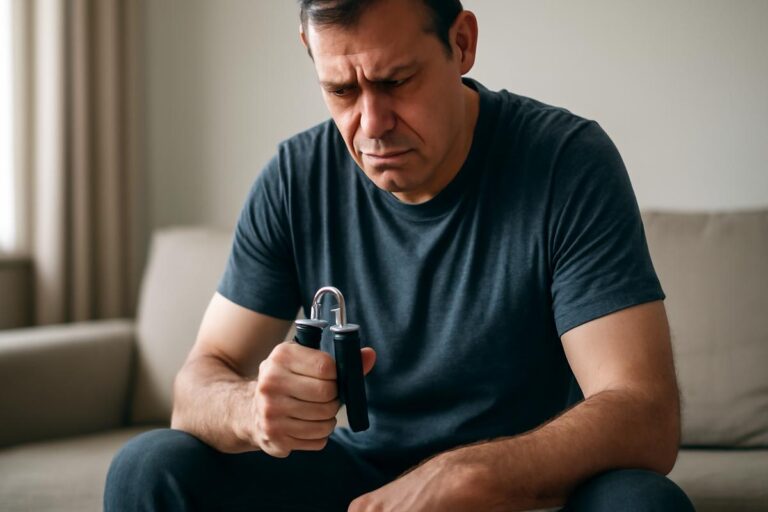
Why the same workout feels harder in cold weather
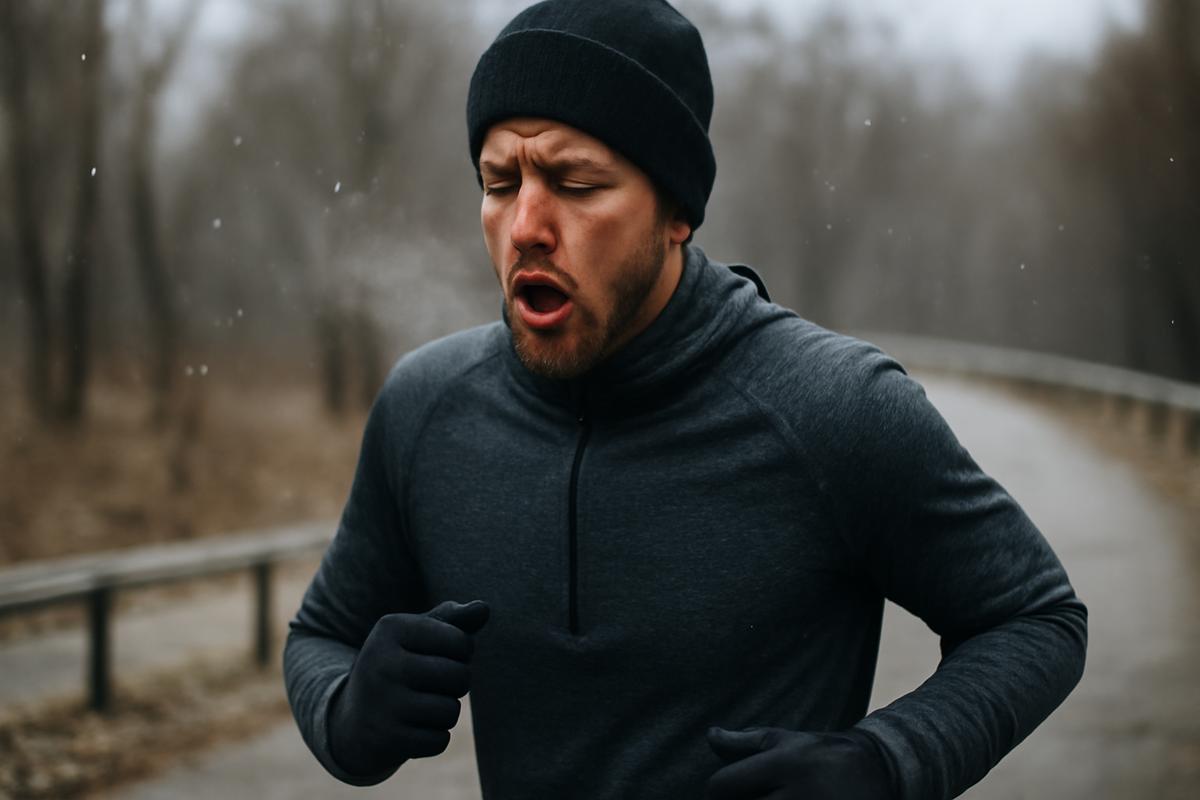
The first breath burns a little. You step outside, shoes crunching on a frozen sidewalk, the air sharp in your nose, your lungs protesting as if you’ve dragged them into a bad idea. You start your usual route—the same loop you glided through in September, the same distance, the same pace you’ve told yourself you’ll keep. But after just a few minutes, your legs feel heavier, your chest tighter, your watch beeping insistently as if to say, “What happened to you?” It’s the same workout you’ve always done. Only now, in the cold, it feels like someone quietly turned up the difficulty level without asking.
When Your Muscles Meet the Morning Frost
Cold has a way of making everything feel louder in your body. The scrape of your shoe, the thump in your chest, the little sting on your cheeks. Before your heart rate even fully catches up, your muscles are already trying to bargain. They move with the reluctant stiffness of someone pulled out of a warm bed too soon.
Inside your body, winter rearranges the rules. In warm weather, your muscles get to work like they’ve clocked into a job they know well. They’re loose, blood flows freely, and every step feels more or less predictable. In the cold, though, those same muscles behave like a crew that’s just arrived to find the building locked.
Your body’s first instinct in cold temperatures is survival, not performance. Tiny blood vessels near your skin tighten to hold onto heat, redistributing warmth toward your core—where your heart, lungs, and vital organs live. That means your arms and legs, the parts of you that actually do the work of your workout, get shorted on warmth at first. Less warmth means stiffer tissues. And stiff tissues are like cold taffy: they don’t stretch easily; they resist.
That stiffness is why your first few squats feel creaky, your usual pace feels clumsy, and your stride seems shorter. Your muscles literally don’t contract as efficiently when they’re cold. Every step, every push, every lift demands just a little more from you. It’s as if the cold quietly adds a small invisible weight to everything you do.
The Invisible Fight for Warmth
There’s another quiet battle happening under your running tights or layered shirts: your body is trying to stay warm while you insist on moving. To understand why your regular workout suddenly feels like wading through molasses, it helps to picture the body as a slightly overprotective friend. It’s less worried about your mileage or your split times and more worried about keeping you from turning into a human popsicle.
In the cold, your body ramps up its furnace—your metabolism—to keep your internal temperature steady. It does this partly by increasing heat production in your muscles, even when they’re not moving much. That’s why you shiver: it’s your muscles doing tiny, rapid, involuntary contractions to generate heat. It’s a brilliant survival strategy, but there’s a catch. All that energy going into simply staying warm is energy that’s not available for your workout performance.
So there you are, running or lifting or cycling, and your body is effectively double-booked. One job: fuel your movement. Second job: keep you warm. The same number of calories and the same muscles that powered your breezy summer run now have to handle both tasks. Your brain experiences this as “Wow, this feels harder than usual,” even though your pace or distance may be exactly the same.
Your heart gets pulled into this balancing act too. To help maintain heat, your body shifts blood flow towards your core. But your working muscles also need more blood and oxygen as activity ramps up. At first, those competing demands mean your heart works harder to negotiate between the two. That extra strain can make your usual pace feel surprisingly taxing, especially in the first part of a workout.
Why Breathing Feels Sharper and Heavier
Then there’s your lungs—the place where cold makes itself uncomfortably personal. Inhaling frosty air can feel almost spicy, like it has an edge. The air you breathe in winter is not only colder but often drier. Your airways, which prefer warmth and moisture, respond with a bit of indignation.
The cells lining your airways have to work harder to warm and humidify that icy air before it reaches the delicate tissue of your lungs. For some people, this process triggers a bit of narrowing in the airways, making it feel like each breath is traveling through a slightly tighter tunnel. You might cough more, feel an urge to clear your throat, or notice that deep breaths feel “thick” or raspy.
That extra effort in breathing means your perception of exertion jumps. Your breathing rate may not skyrocket, but each breath feels more noticeable. In warm weather, breathing can slide into the background of your awareness. In the cold, it moves into the spotlight.
It’s not just in your head, either. Your body literally has more work to do per breath—warming, moistening, and transporting air efficiently. So your same hill, your familiar interval, or that well-known last lap feels like everyone else got the memo to slow down but your body did not.
Cold Muscles, Slower Signals, Bigger Effort
Deep in your muscles and nerves, the cold slows down some of the signals that usually fire quickly and smoothly. Nerves like warmth; it helps electrical impulses travel efficiently. When temperatures drop, those impulses move more slowly. It’s not dramatic, but it’s enough to make you feel clumsy, less coordinated, or just “off.”
If you’ve ever tried sprinting on a frigid morning and felt like your legs couldn’t fully respond to what your brain was asking for, you’ve experienced this. Your stride doesn’t feel as snappy. Your feet might drag just a little more. Your reaction time drops enough that turning quickly, dodging a patch of ice, or adjusting on uneven ground takes more concentration.
At the same time, your joints and connective tissues—tendons, ligaments—are less forgiving when cold. Their elasticity decreases, making them feel tighter. You might notice your usual range of motion isn’t quite there: lunges feel deeper in the joints, overhead movements seem more restricted, and the first few minutes of any workout feel like gently arguing with your own body.
All of this—slower nerve signals, tighter joints, less-flexible muscle—adds up to a higher sensation of effort. You’re not weaker in the cold, but you’re running a kind of internal resistance course that isn’t there to the same degree in warmer weather.
The Psychological Tilt of Winter
There’s another layer to why your winter workout feels harder: your mind. Cold amplifies small discomforts and sprinkles in a few new ones. Your face stings, your fingers protest, your nose runs, your shoulders hunch slightly against the chill. Even before your muscles are fully online, you’re already dealing with micro-annoyances.
Your brain keeps a tally of all these signals. The more uncomfortable data it collects, the more it quietly nudges you toward slowing down, taking breaks, or cutting the workout short. Even your anticipation of the cold—just knowing you’re about to step into it—can change your perception. If you start your run already tensed, braced for the unpleasantness, your body burns more energy just trying not to suffer.
Then there’s motivation. In summer, you might feel buoyed by warm mornings, bright light, the ease of stepping outside in a T-shirt and shoes. In winter, the same alarm clock belongs to a darker world. The air in your room is cooler. Getting dressed takes layers and decisions. The distance between bed and door feels longer.
By the time you do start your workout, you’re often a little more mentally taxed than usual. That can color your entire perception of effort. The same hill that once felt like a test now feels like a negotiation—do I really want to push this hard today?
How Cold Changes Your Energy Use
Your body treats temperature like a crucial line in its budget. It will spend extra energy to keep your internal conditions stable. In the cold, this means a rise in what scientists call “thermogenesis”—heat production. But energy isn’t unlimited. When more of it is handed to warmth, less is available for performance, endurance, and that final kick you usually rely on.
Here’s a simple way to picture it: on a mild day, you might use most of your effort on actually doing the workout—lifting, running, cycling. Your body can devote a larger share of its energy to your muscles’ needs. On a cold day, part of that same energy is diverted to protective work. Your metabolism hums higher to keep your temperature steady. Your muscles may even slightly change how they use fuel, leaning differently on fats and carbohydrates to adjust to conditions.
As a result, you feel the same workout as harder—not because your fitness suddenly plummeted, but because your body’s workload quietly went up even before you started counting reps or miles.
| What’s Different in Cold Weather | How It Makes Your Workout Feel Harder |
|---|---|
| Reduced blood flow to arms and legs at first | Muscles feel stiff, heavy, and slow to warm up |
| Cold air is drier and sharper | Breathing feels harsher, chest and throat may burn |
| Body spends more energy staying warm | Less energy left for speed, strength, or endurance |
| Slower nerve and muscle function when cold | Coordination drops, movement feels clumsy or sluggish |
| Extra layers and gear | You carry more weight and may move less freely |
The Hidden Cost of Extra Layers
There’s also the simpler, more obvious factor: clothing. That cozy jacket, those thermal tights, the beanie and gloves—they all add weight and resistance, even if it’s subtle. Your swing feels a little heavier. Your arms don’t move as loosely. Your stride might shorten just a bit because your hip and knee joints have more fabric to push against.
Every layer traps warm air near your skin, which is good for comfort but can also lead to another strange effect: you might feel freezing at the start and then suddenly overheated halfway through. Your body is playing catch-up, and your clothing choices can turn the dial too far one way or the other.
If you overdress, sweat builds up under your layers, and wet clothing pulls heat away from your body faster than dry air does. That can leave you simultaneously hot and chilled, making your perceived effort spike. Under-dress, and your body spends more of its energy just to keep you functioning, again making the same effort feel harder.
Warming Up Like You Mean It
The good news is that once your body adjusts, cold-weather workouts don’t have to feel like punishment. They can feel bracing, sharp, even meditative. But that shift depends heavily on how you begin.
In cold conditions, your warm-up isn’t just a nice-to-have. It’s the bridge between “Why does this feel terrible?” and “Okay, I can do this.” Rather than jumping straight into your usual pace or load, cold days call for a slower ramp:
- Start indoors if you can: gentle mobility, dynamic stretching, a few minutes of walking in place or light bodyweight moves until you literally feel warmer.
- Begin your run, ride, or walk more slowly than usual for the first 5–10 minutes, letting your body catch up, blood flow shift outward, and muscles loosen.
- Add a few short, gentle strides or drills only after you feel warm, not before.
Think of it as a negotiation with your winter self. If you rush the process, the cold wins. If you ease into it, your body gradually reallocates blood flow, warms tissues, and brings your breathing into a more comfortable rhythm. The workout might still feel a touch harder than in warm weather, but it will slide from brutal to manageable.
Letting Go of the Summer Benchmark
One of the kindest things you can do for your cold-weather training is to stop comparing today’s effort to that perfect mild day in late spring. Your body is not operating under the same conditions. What looks identical on paper—the same distance, time, or number of reps—is not the same experience inside your system.
On cold days, pace, speed, or even the weight on the bar might need adjusting. Listening to your perceived effort—how hard it feels—can be more useful than sticking stubbornly to a number. Your winter body is not weaker; it’s working under a heavier invisible load.
Over time, consistently moving through the cold does build a sort of seasonal resilience. Your body adapts. The shock of the air lessens, your brain stops treating every icy gust as a crisis, and your internal systems become a touch more efficient in the chill. But that adaptation is gentler and more sustainable if you respect the extra demands winter places on your body instead of pretending they don’t exist.
Finding Beauty in the Harder Effort
Though it might feel unfair that your regular workout is tougher when the temperature drops, there’s a quiet reward hidden in that extra effort. Winter forces you to tune in, to pay attention to your body instead of just your watch or your app. You notice the pattern of your breath in the cold air, the sound of your shoes on frozen ground, the way the morning light arrives later but sharper.
The cold strips distractions. There are fewer people outside, fewer noises, fewer reasons to rush. In that slower world, your relationship with effort changes. It’s no longer just about chasing numbers; it’s about witnessing the small, determined conversation between your moving body and a biting wind.
On some mornings, your legs will say no more quickly. On others, you might surprise yourself, realizing that once your muscles warm and your breath finds its rhythm, you’re capable of more than you expected. Either way, each winter workout is a small act of renegotiation with your environment—and with yourself.
So the next time you lace up and step out into the cold, and your first mile or your first set feels unreasonably hard, remember: nothing’s wrong with you. You haven’t suddenly lost fitness. You’re simply working in a different season, under a different contract with your own biology.
The same workout really does feel harder in cold weather, and for good reason. Your body is busy doing more than one job. It’s not just moving; it’s protecting, adjusting, defending warmth, and steadying your internal world against a harsher external one. That extra difficulty you feel isn’t weakness. It’s the cost—and the quiet power—of choosing to move anyway.
Frequently Asked Questions
Why do my lungs burn when I exercise in the cold?
Cold air is usually dry and much colder than your airway tissues prefer. Your body has to warm and humidify that air very quickly, which can irritate the lining of your airways. This irritation creates the sensation of burning or sharpness in your chest and throat, especially when you breathe hard.
Am I actually burning more calories when I work out in cold weather?
Often, yes—but not always in a way you’ll dramatically notice. Your body uses extra energy to maintain its core temperature, especially if you’re underdressed or exposed to the elements. That added energy demand can increase your total calorie burn compared with the same workout in mild weather, though the difference varies depending on conditions and clothing.
Why do I feel so stiff at the start of a cold-weather workout?
Lower temperatures reduce blood flow to your arms and legs at first and make muscles, tendons, and joints less elastic. Until your body warms up and increases circulation to working muscles, everything feels tighter and less cooperative. A longer, gentler warm-up helps ease this stiffness.
Is it safe to exercise outside in very cold temperatures?
It can be safe if you dress appropriately, avoid extreme windchill, and pay attention to warning signs like numbness, unusual pain, or dizziness. Layering clothing, covering extremities (fingers, toes, ears, nose), and keeping workouts shorter or closer to home can reduce the risks. Extremely low temperatures and strong wind can increase the danger of frostbite and hypothermia, so use caution and shorten or move your workout indoors when conditions are severe.
Why is my pace slower in winter even though I’m trying just as hard?
Your body is dividing its energy between performance and temperature regulation. Muscles and nerves also work less efficiently when cold, and extra clothing adds a bit of weight and restriction. All of that means the same internal effort (how hard it feels) often results in a slower external output (your pace or speed).
How can I make cold-weather workouts feel easier?
Start with a longer, gentler warm-up, preferably indoors. Dress in light layers that you can adjust, protect your hands, feet, and head, and begin your workout slower than usual. Focus on effort rather than pace, and allow your body 10–15 minutes to fully warm up. Over time, consistent exposure will help your body and mind adapt.
Does exercising in the cold make me more likely to get sick?
The cold itself doesn’t cause infections, but it can slightly stress your immune system, especially if you’re underdressed, exhausted, or not recovering well. Breathing cold, dry air may also irritate airways. Dressing properly, staying hydrated, resting well, and avoiding overtraining help keep your defenses stronger, whether you’re working out in winter or any other season.

Hello, I’m Mathew, and I write articles about useful Home Tricks: simple solutions, saving time and useful for every day.