The first thing you notice is the color. It sits in the palm of your hand like captured sunlight – a heap of golden-orange dust that somehow smells like warmth itself. You stir it into a mug of warm milk and honey, watching slow swirls of gold bloom through the white. Outside, the morning is cold and a little unforgiving; your knees crack as you stand, your fingers move with that familiar reluctance. But you take a sip anyway, because an old story – your grandmother’s story, or maybe your neighbor’s – says this bright little spice can coax stubborn joints into moving again. The first sip tastes earthy, slightly bitter, with a whisper of ginger and orange peel. It tastes like something that has been helping human bodies for a very, very long time.
The Golden Root Hiding in Plain Sight
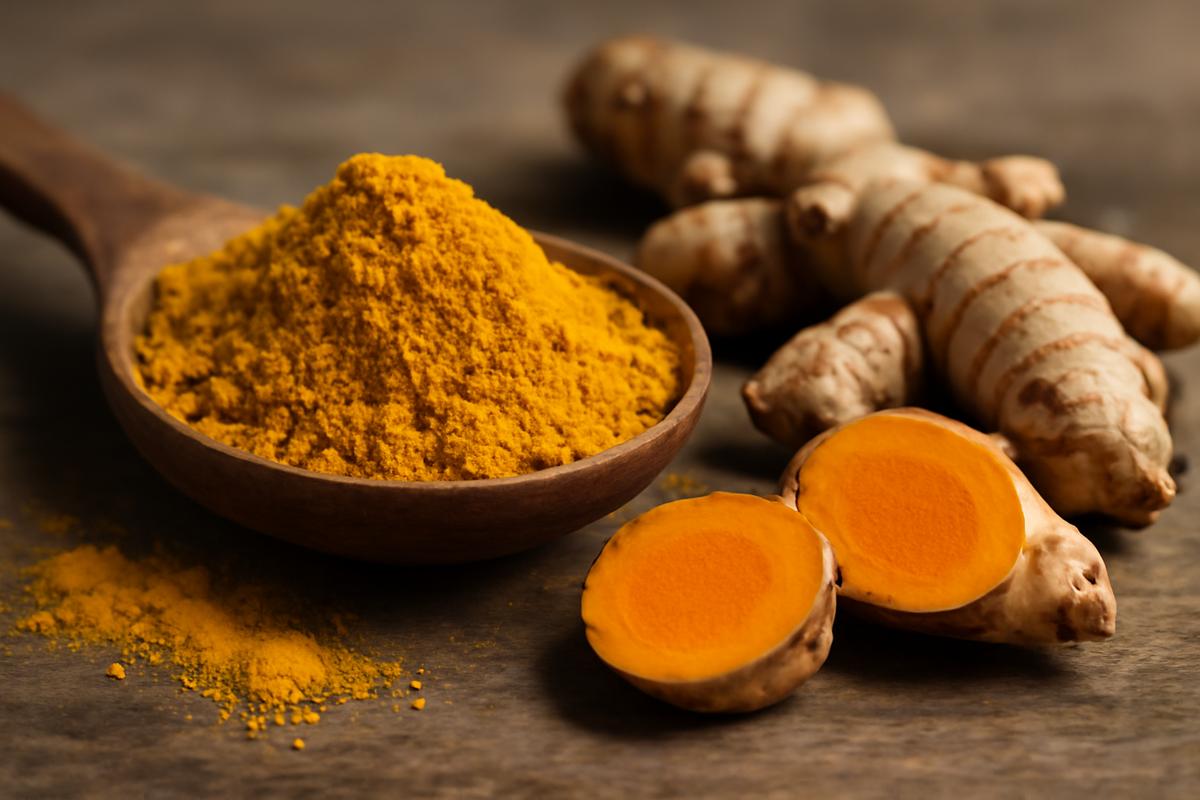
Most people know it first as a stain. It dyes fingertips, countertops, and wooden spoons a permanent yellow that refuses to wash away. Only later do they learn its name: turmeric, the knobby, ginger-like root that has colored curries, stews, and rice dishes for centuries. In the markets of India, it appears in neat pyramids of powder, glowing against burlap sacks of rice and dried chilies. In Indonesian kitchens, it is pounded fresh with garlic and shallots, turning the mortar into a paste of glowing clay. In Middle Eastern soups, it brings a gentle warmth you feel more in your bones than on your tongue.
For thousands of years, turmeric has been more than a flavor. It has been a quiet sort of medicine, tucked into food and drink, stitched into ritual and habit. No clinical trials, no lab coats at first – just a long experiment in real time across generations: “When I drink this, I walk easier.” “When I cook with this, my fingers don’t ache as much in winter.” Villagers and herbalists didn’t talk about “anti-inflammatory pathways” or “oxidative stress.” They just noticed that with this spice, morning stiffness loosened a little faster, and old knees handled one more trip down the dusty road.
Today, modern science has joined the conversation, shining a bright fluorescent light on what those cooks and grandmothers knew by feel. The star of the show is curcumin, the most studied active compound in turmeric, a molecule with a talent for calming inflammation – the slow, smoldering kind that often fuels joint pain and stiffness.
How a Spice Whispers to Your Joints
If you could zoom into an aching joint, what you’d see would look less like a clean machine and more like a busy city in the middle of a traffic jam. Messages of pain and alarm flash between cells. Immune messengers – cytokines with names like TNF-alpha and interleukin-6 – run like sirens through the bloodstream. The result, on the outside, is stiff fingers that don’t want to close around a mug, knees that creak at every stair, a lower back that stiffens after a single hour at a desk.
Curcumin seems to walk into this crowded city and gently redirect traffic. It doesn’t knock anyone over. It simply encourages the volume on inflammation to turn down. In various studies, curcumin has been shown to reduce certain inflammatory chemicals, protect joint cartilage from further damage, and act as an antioxidant that mops up some of the cellular “rust” that builds up over time.
For people with osteoarthritis – that slow grinding down of cartilage that makes knees, hips, and hands ache – turmeric extracts standardized for curcumin have been compared with common pain relievers. In some research, curcumin has performed almost as well as non-steroidal anti-inflammatory drugs (NSAIDs) for easing pain and improving mobility, with fewer reports of digestive upset. That doesn’t mean turmeric will replace your medicine cabinet, but it does mean the bright powder in your kitchen is far more than color and scent.
Of course, the story is never as simple as, “Add one spice, erase all pain.” Bodies are complex, and so is pain. What turmeric can offer is a steady nudge in the right direction – a daily, natural ally in the long, patient work of keeping joints supple and less reactive. Think of it as a quiet background musician rather than the star soloist: not always obvious in the moment, but important to the overall song.
Bringing Turmeric into Your Everyday Rituals
The best part about turmeric is that you don’t have to treat it like a pill to benefit from it. It’s food. It wants to be cooked with, stirred, sprinkled, warmed, and shared. You can start with the gentlest of experiments: a pinch here, a teaspoon there, listening to your body over weeks instead of days.
In one kitchen, a woman in her sixties stands over a pot of lentils simmering gently on the stove. She adds turmeric last, along with cumin and coriander, and pauses to watch the broth shift from dull beige to sunshine. She has early osteoarthritis in her hands, and kneading dough hurts more than it used to. But this dal is her daily ritual – a bowl at lunch, a bowl at dinner – a quiet way of feeding her joints something soothing without thinking about “supplements.”
Across the world, a yoga teacher finishes an evening class and lights a single candle in her small kitchen. She warms oat milk on the stove, adds a teaspoon of turmeric, a crack of black pepper, cinnamon, and the smallest dollop of coconut oil. The milk turns saffron-bright; the air fills with a smell that seems part dessert, part forest. She calls it her “joint kindness ritual.” Some nights, it’s more comfort than cure, but she notices – on the mornings after she remembers to drink it – that her hips feel less stubborn during her first downward dog.
Turmeric doesn’t need to be fancy. You can stir it into scrambled eggs, whisk it into salad dressings, dust it over roasted vegetables, blend it into smoothies, or fold it into soups. The goal is consistency, not perfection: letting this spice become a regular guest at your table so its subtle, cumulative effects have a chance to show up in your joints.
How Much, How Often, and in What Form?
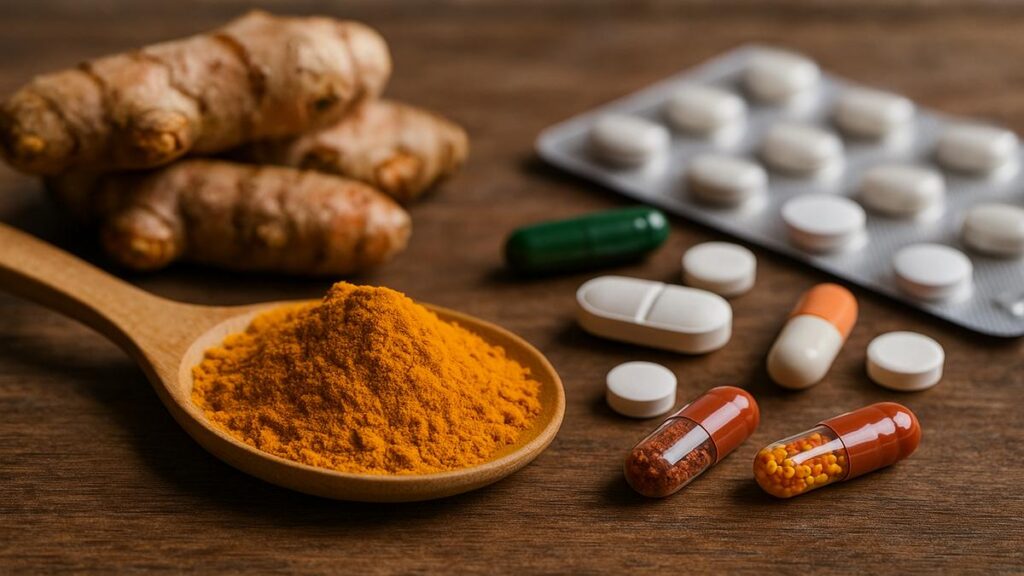
There is no single sacred dose. Traditional cuisines that rely on turmeric often use between half a teaspoon to a teaspoon or two of ground spice throughout a day of cooking. Some modern studies on joint stiffness use more concentrated extracts, often in capsule form, standardized for curcumin content. These might range from about 500 mg to 1000 mg of curcumin daily, sometimes divided into two or three doses.
If you’re starting with the spice in your kitchen, a practical approach might look like this: aim for roughly 1/2 to 1 teaspoon of ground turmeric per day in food or drink, gradually increasing if your stomach feels comfortable and your taste buds agree. If you’re considering higher-dose supplements, it’s wise to talk with a healthcare provider first, especially if you take blood thinners, diabetes medications, or have gallbladder issues.
Turmeric is famously shy about being absorbed. Curcumin on its own doesn’t slip easily from your gut into your bloodstream. Fortunately, nature has a partner waiting in the wings: black pepper. A compound in pepper called piperine can dramatically increase curcumin absorption. Fat helps too – a bit of oil, milk, or other healthy fats can act like a vehicle, carrying those golden molecules deeper into your system.
| Way to Use Turmeric | What It Looks Like | Joint-Friendly Tip |
|---|---|---|
| Golden milk at night | Turmeric warmed with milk or plant milk, a pinch of black pepper, a little fat, optional spices like ginger and cinnamon | Sip 30–60 minutes before bed; the warmth plus spice may help ease morning stiffness |
| Daily cooking | Turmeric added to soups, stews, lentils, rice, eggs, roasted veggies | Aim for 1/2–1 tsp spread through meals, always with some oil and, when possible, a bit of pepper |
| Smoothies | Fresh or powdered turmeric blended with fruits, greens, yogurt, or nut butter | Add a pinch of black pepper and a spoon of nut butter or seeds for better absorption |
| Capsule supplements | Standardized extracts with known curcumin content | Use under guidance if you have medical conditions or take other medications |
Stories Written in Knees, Hips, and Hands
Joint pain is, in a way, a story of accumulation. Miles walked, boxes lifted, cold mornings weathered, years of typing, nights spent on couches sagging in the middle. Every joint carries a history. That’s why people often describe their pain in the language of time: “It’s worse when I wake up.” “By late afternoon, my shoulders feel like concrete.” “On rainy days, my fingers remember every winter I’ve ever lived through.”
Turmeric steps into this timeline at any age, but its gift is especially prized in the second half of life, when cartilage is thinner and tendons complain more loudly. There are countless quiet stories: a retired nurse who stirs turmeric into her morning oats and notices, a few months later, that she can open jars without bracing her elbows; a gardener who takes turmeric capsules each day through spring and summer and realizes by autumn that he knelt to plant and weed more than the year before, with less evening backlash from his knees.
Not all stories end in miracles. Some people notice striking changes; others report only gentle ones – a slightly easier climb up the stairs, a bit more flexibility after sitting in traffic, fewer days when their hands feel like they’ve turned into stone. For some, there is no obvious difference at all beyond the comfort of knowing they’re doing something small but kind for their bodies. Human responses are as varied as the shapes of our joints.
What ties these experiences together is the idea of partnership. Instead of waiting passively for pain to dictate the day, people reach for tools – movement, rest, better shoes, stretches, warm baths, and, increasingly, familiar spices with surprising powers. Turmeric becomes one more ally in a whole landscape of self-care, a reminder that the kitchen and the medicine cabinet don’t have to live on opposite sides of the house.
Listening for Your Body’s Answer
If you decide to invite turmeric into your life for your joints, give it time. Our culture is obsessed with overnight transformation, but joints are patient creatures. They remodel slowly; they forgive even more slowly. Think in terms of weeks and months, not days. Keep a small notebook, or a note on your phone. Once a week, jot down how your joints felt when you woke, how many minutes it took to “warm up,” how stiff you felt after sitting, how easily you climbed a set of stairs.
Then add turmeric to your daily rhythm in a way that feels natural – maybe a nightly golden milk, maybe a turmeric-scented pot of soup each weekend that you reheat through the week. After a month, look back at your notes. Have the numbers shifted, even by a little? Is there a difference between your worst days and your best? You’re not trying to prove a point; you’re simply learning the language of your own body, one small golden experiment at a time.
Safety, Respect, and When to Be Cautious
Because turmeric is common in food, it’s easy to assume that more is always better. But even the gentlest allies deserve respect. In small culinary amounts, turmeric is considered very safe for most people. Problems are more likely to arise when large supplement doses enter the picture, especially if other health conditions are involved.
Turmeric and its curcumin extracts can thin the blood slightly. If you already take blood-thinning medication, or you’re scheduled for surgery, you’ll want to speak with a practitioner before adding concentrated turmeric supplements. People with gallstones or bile duct obstruction may need to be cautious, as turmeric can increase bile flow. Very high doses can cause digestive upset in some people – a reminder that your gut, too, has something to say about your choices.
Used traditionally – woven into meals, sipped as warm drinks, added gently and regularly rather than swallowed in heroic doses – turmeric has an excellent safety record across cultures and centuries. That history doesn’t replace modern medical advice, but it is a powerful background chorus, a human-sized confirmation that this is a spice designed to live with us, not against us.
If you’re pregnant, breastfeeding, managing chronic illness, or taking multiple medications, a quick check with a health professional who understands both herbs and pharmaceuticals is a wise act of self-protection. Think of it not as seeking permission, but as inviting a knowledgeable guide to walk the path with you.
Pairing Turmeric with Other Joint-Friendly Habits
Turmeric’s gifts unfold most fully when it’s part of a wider ecosystem of care. A spice alone cannot undo a life of immobility, stress, or strain – but paired with other choices, it can help nudge your joints in a kinder direction.
Gentle movement is one of turmeric’s best companions. Walking, swimming, tai chi, yoga, or slow stretching all encourage synovial fluid – the joint’s natural lubrication – to move and nourish cartilage. Imagine turmeric quietly dampening the internal flames of inflammation while movement circulates fresh nutrients, carrying those curcumin molecules into the nooks and corners of your knees and hips.
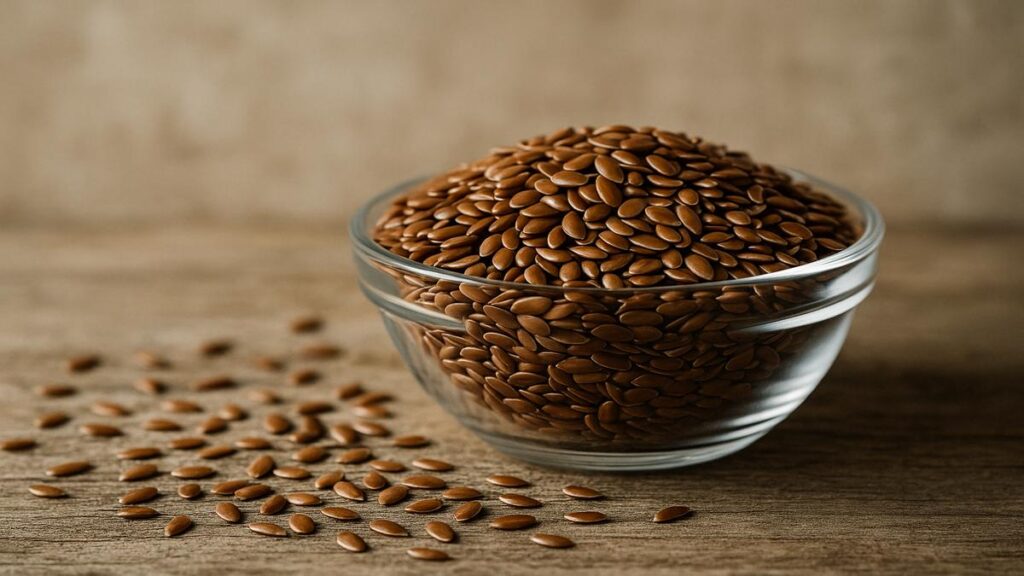
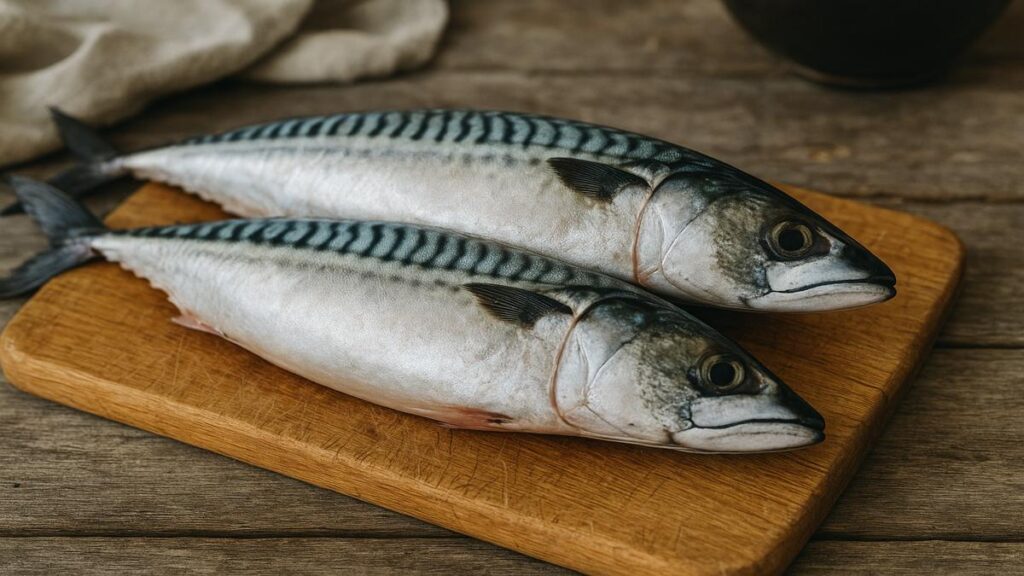
Food, too, can amplify or soften joint stiffness. Meals heavy in refined sugars and ultra-processed fats tend to fan inflammatory sparks. In contrast, a plate colorful with vegetables, fruits, olive oil, nuts, seeds, oily fish, beans, herbs, and spices like turmeric offers a more anti-inflammatory background hum. The result isn’t a single dramatic moment but a day-by-day shaping of your inner landscape into one where aching joints feel a little less besieged.
Even sleep plays a role. Nighttime is when much of your body’s repair work happens. That evening mug of turmeric milk can become a small ceremony reminding you that rest is not a luxury but a part of healing. As you curl up in bed with your hands warm around the cup, you’re doing something quietly radical: honoring your joints not just as mechanical parts, but as living, feeling pieces of your story.
A Bright Thread in an Ancient Tapestry
Somewhere, right now, a farmer is pulling turmeric roots from dark earth, their skins stained deep orange, their scent flooding the air with sharp, peppery warmth. Those roots will travel – to village markets, city spice stalls, modern health shops, gleaming grocery aisles lined with neat glass jars. They will find their way into humble kitchens and polished designer spaces alike, into old pots and shiny pans, into hands that ache and hands that simply love to cook.
For all the research, all the biochemical diagrams mapping curcumin’s every pathway, there is still something quietly mysterious about how a plant’s root can reach into the body and soften the edges of pain. Maybe that’s why turmeric feels less like a “treatment” and more like a relationship – one that stretches back through generations and forward into every meal and ritual you choose to create.
Next time your knees complain as you rise from a chair, or your fingers hesitate before gripping a pen, you might remember that little jar in your spice drawer, or the fresh root waiting in the crisper. You might decide to bring water to a simmer, to warm milk in a small pot, to dust a tray of vegetables with a pinch more gold than usual. It won’t change everything overnight. But over time, these small, repeated gestures can add up to a different kind of morning: one where your joints greet the day a little less stiff, a little more willing, as if they, too, remember the taste of sunlight in a cup.
In the end, that is turmeric’s quiet promise: not to erase the years written into your knees and hands, but to help those years move with more grace. A simple spice, a gentle companion, a golden thread woven through the long, living story of your body.
Frequently Asked Questions
How long does it take for turmeric to help with joint stiffness?
Responses vary, but many people who use turmeric regularly report noticing changes in joint comfort and stiffness after about 4 to 8 weeks of consistent use. Its effects tend to be gradual rather than dramatic, so it helps to track how you feel over time.
Is turmeric better as a food or as a supplement for joints?
Using turmeric in food is a gentle, safe way to support joint health and overall wellbeing. Concentrated supplements can offer higher curcumin doses and may be more noticeable for some people with significant stiffness, but they also require more caution and professional guidance, especially if you take medications or have health conditions.
Can I use turmeric if I already take pain medication for arthritis?
Many people do combine turmeric with standard pain relievers, but you should speak with your healthcare provider first. Turmeric can interact with certain medications, especially blood thinners, and your overall treatment plan may need small adjustments.
Are there people who should avoid turmeric?
People who are on blood-thinning medications, who have gallstones or bile duct obstruction, or who are scheduled for surgery should be cautious with high-dose turmeric supplements. Culinary amounts in food are usually fine for most, but anyone with complex medical conditions should seek personalized advice.
Does fresh turmeric work differently from dried turmeric powder?
Fresh turmeric has a slightly brighter, more aromatic flavor and contains many of the same active compounds as dried turmeric. The curcumin content can vary, but both forms can be helpful. Choose the one that fits best into your cooking habits and use it consistently, with a little fat and black pepper to support absorption.

Hello, I’m Mathew, and I write articles about useful Home Tricks: simple solutions, saving time and useful for every day.