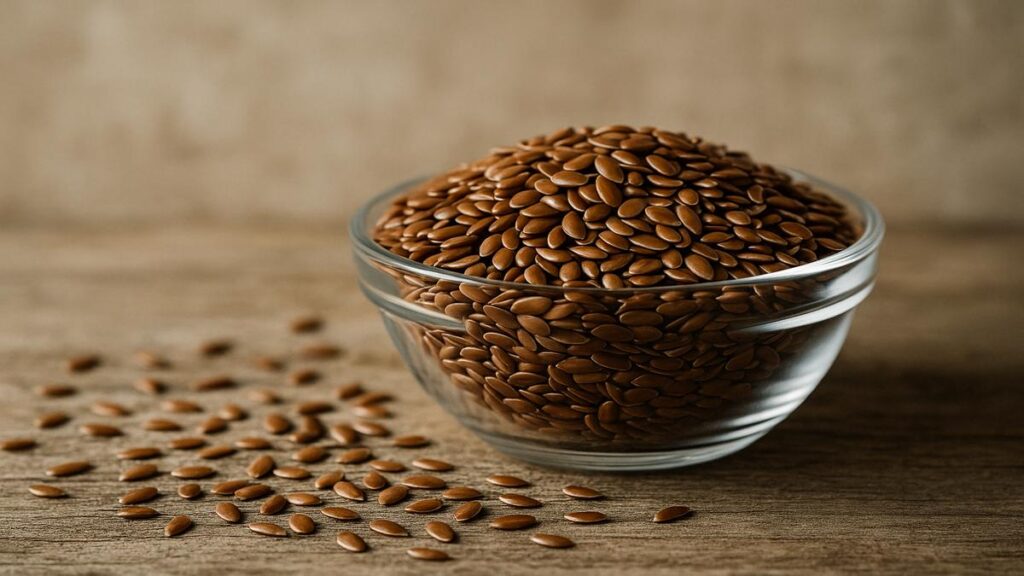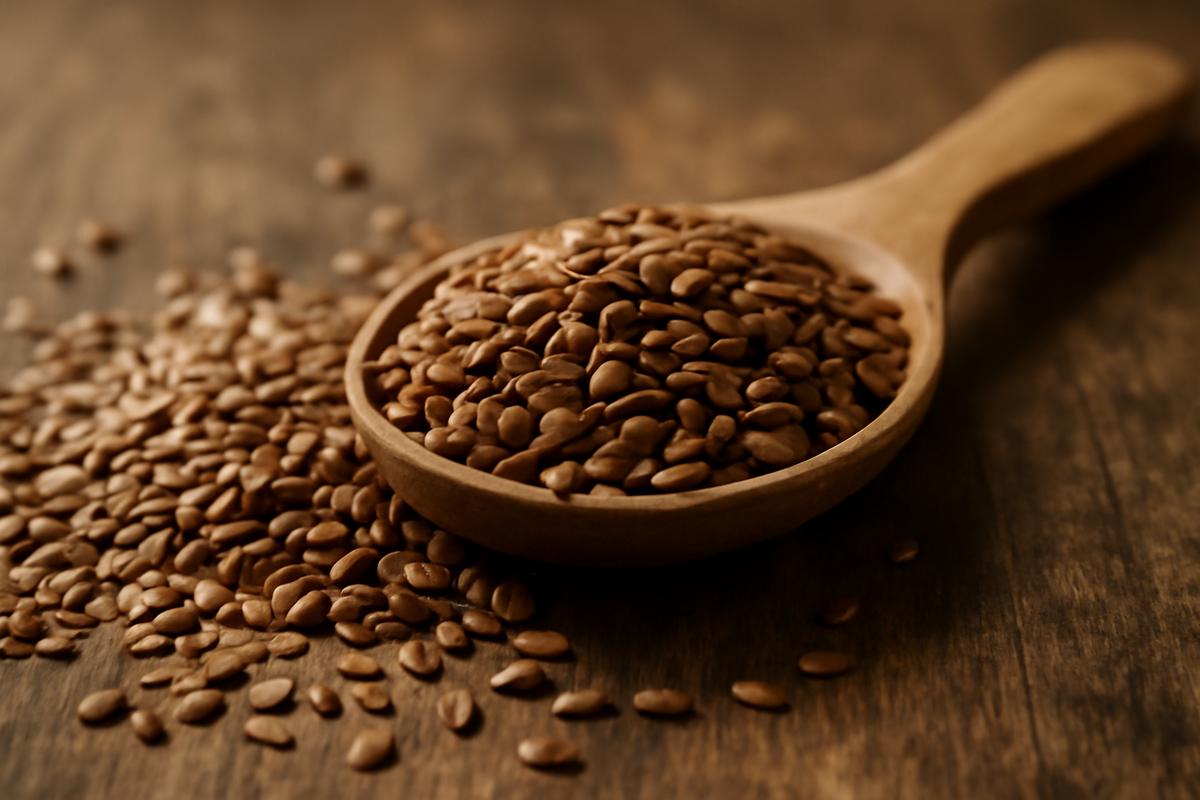
The seed sat in the palm of my hand, no bigger than a freckle. It didn’t shimmer like chia, didn’t glow with the gloss of flax, didn’t crackle with trendiness or appear on smoothie-bar chalkboards. It was quiet, matte, a dusty pebble of a thing. If it had a personality, it would be the soft-spoken friend who waits until the noise dies down and then, gently, says something that changes the whole conversation.
This was ajwain seed—sometimes called carom seed—cradled in a tiny glass bowl on an old wooden table in my friend’s kitchen. The air already held its presence before I even leaned in: sharp, almost minty, with a hint of thyme and the faint medicinal whisper of something that means to do you good. In a world obsessed with probiotics in neon bottles and gut resets with elaborate instructions, this little forgotten seed carries a much older, stripped-down promise: let’s fix your digestion the way your great-grandparents might have done—quietly, patiently, from the inside out.
The Scent of a Story: Meeting the Forgotten Seed
The first time I heard about ajwain, it wasn’t from a nutritionist or wellness influencer. It came from a place far more powerful than any lab coat or Instagram reel: a grandmother’s kitchen.
I was visiting a family in North India during winter, when the evenings fall early and food becomes a kind of gentle armor against the cold. The grandmother, silver-haired and brisk, moved around her kitchen with the purposeful choreography of someone who doesn’t measure; she just knows. On the stove, lentils simmered lazily with turmeric, and chapati dough rested under a clean cloth.
After dinner, when the table was still warm and everyone leaned back with that universal sigh that means I might have eaten a little too much, she pulled out a small tin from a crowded spice box. Inside were seeds the color of toasted earth. She dry-roasted them on an iron pan, the kitchen filling with an aroma that was half bakery, half apothecary: smoky, herby, and mysteriously cleansing.
“Eat,” she said, placing a pinch in my hand. “For your stomach.”
I chewed. The seeds cracked between my teeth, releasing a warm, peppery-bitter flavor that tingled my tongue. Within minutes, the heavy fullness in my belly—so familiar after rich food—seemed to soften, as if someone had slightly loosened a belt around my middle. The room felt lighter. Conversation returned. The evening moved on.
It wasn’t magic, of course. It was chemistry, tradition, and an intimacy with plants that has stretched across centuries. But in that moment, it felt indistinguishable from a small, kind miracle.
The Seed with a Secret Map to Your Gut
To understand why ajwain has this effect, you have to imagine your gut not as a mysterious dark tunnel, but as a bustling, crowded city—lit up, noisy, endlessly busy.
Each bite you swallow becomes a traveler trying to navigate that city. Some move swiftly, slipping through traffic and reaching their destination without fuss. Others get stuck. They meet roadblocks: slow digestion, gas, bloating, cramping, or the heavy fog of indigestion that makes you want to lie down and swear you will never, ever eat cheese again.
Ajwain seeds, in traditional systems of medicine like Ayurveda and Unani, are like traffic police and city planners rolled into one. They help reroute, clear congestion, and restore flow.
Their primary compound, thymol, is the same pungent, powerful constituent that gives thyme its distinctive scent. Thymol behaves like a multitool inside your digestive city:
- Carminative: It helps the gut release trapped gas, easing bloating and that tight, balloonish feeling.
- Antimicrobial: It gently keeps bad bacteria and certain fungi in check, supporting a more balanced gut ecosystem.
- Stomachic: It stimulates digestive juices, encouraging your stomach to break down food more efficiently.
But chemistry only tells part of the story. The rest lives in how humans, across regions and languages, kept reaching for these seeds whenever digestion turned moody.
In Indian homes, mothers crush ajwain with a bit of salt and give it with warm water to kids after heavy meals. In some Middle Eastern kitchens, ajwain slips into breads and savory pastries, its aroma quietly aiding digestion even as you tear into a still-warm piece. Along coastal stretches, it’s paired with beans and lentils—the notorious gas-makers—like an old friend who knows how to mediate an argument.
We’ve spent the last decade rediscovering the gut as the center of our health universe—linking it to immunity, mood, energy, even sleep. Yet somewhere along the way, simple tools like ajwain slipped out of everyday conversation, overshadowed by newer, shinier labels. The seed did not change. We just stopped listening.
A Tiny Spice, a Big Gut Advantage
To really appreciate what ajwain can do, it helps to look closely—almost as if you’re tracing its path from tongue to intestine.
Imagine this: it’s late, and you’ve eaten too fast. Maybe it was something fried, maybe it was a second or third serving of your favorite food. Now your abdomen feels like a crowded elevator. There’s pressure. A dull burn. The subtle churn of regret.
This is often where we reach for quick fixes—antacids, fizzy tablets, or sugary digestive drinks that flash their relief in cold, bright colors. Ajwain, in contrast, works quietly. Chew a small pinch, and its intense flavor immediately wakes up salivary glands. As it travels down, it nudges the stomach and intestines to do their jobs with a bit more vigor.
Here’s how that translates into everyday benefits:
- Less bloating: Trapped gas finds a way out more easily, and you feel less distended.
- Reduced indigestion: That feeling of food “just sitting there” tends to ease faster.
- Smoother elimination: Regular, comfortable bowel movements become more likely when digestion runs efficiently.
- Milder cramps: Especially when digestive issues come with spasms and gripping discomfort.
In some traditional preparations, ajwain is combined with cumin, fennel, and black salt to make digestive blends that many families keep in small jars, ready to pinch into palm or sprinkle over sliced fruit. They don’t call it a “gut protocol.” They just call it after meals.
Of course, no single seed is a cure-all. Ajwain doesn’t erase the impact of chronic stress, sleep deprivation, or a diet built mostly from factory-made foods. Yet when you begin to think of gut care as a long relationship rather than a weekend repair job, this seed starts to look less like a quick fix and more like a subtle, daily ally.
How Ajwain Compares to Trendy Gut Helpers
Every wellness season seems to crown a new superstar: kombucha, kefir, celery juice, psyllium husk. Most have their place. But ajwain keeps slipping under the radar, even as it offers something unusually practical: it doesn’t need refrigeration, special brewing, or elaborate recipes. It can sit in a small jar on your shelf, waiting, quietly effective.
Here’s how ajwain stacks up against other common gut-supporting options:
| Option | Primary Benefit | Prep Required | Everyday Ease |
|---|---|---|---|
| Ajwain seeds | Gas relief, digestive stimulation, antimicrobial support | Minimal: chew, roast lightly, or steep in hot water | Very high – small pinch after meals |
| Probiotic drinks | Introduce beneficial bacteria | Need refrigeration; often store-bought | Moderate – ongoing cost and access |
| Fiber supplements | Support bowel regularity | Mix with water; drink quickly | High, but can feel like “medicine” |
| Fermented foods | Microbial diversity, digestive support | Need preparation or purchase; acquired taste | Moderate – depends on habits and culture |
Ajwain is not a replacement for a fiber-rich diet or a diverse range of whole foods. Instead, it’s a small, potent companion—a kind of digestive tuning fork that helps bring your gut back into its natural rhythm when you’ve pushed it a little out of tune.
Inviting Ajwain into Your Daily Rituals
Most of us don’t need more health chores. What we need are rituals so simple they can tuck into daily life without fanfare—a pinch here, a sprinkle there, a quiet choice that slowly shifts the baseline of how we feel.
Ajwain fits this role almost perfectly.
Chew It Straight
For many people, the easiest way is the oldest: after a heavy or gas-prone meal, take a small pinch—about a quarter to half teaspoon—of ajwain seeds. Chew slowly. The flavor will be intense: warming, bitter-herbal, almost numbing on the tongue. Chase it with a sip of warm water if you like.
This simple act, done regularly, can become a gentle line of defense against that uncomfortable post-meal slump.
Turn It into a Comforting Tea
If chewing the seeds feels too strong, transform them with heat and water:
- Lightly crush 1 teaspoon of ajwain seeds.
- Add to a cup of hot water.
- Steep for 5–10 minutes, then strain.
- Sip slowly after meals, especially in the evening.
The tea will smell like an herbal remedy and taste like something between thyme and anise, with a medicinal edge that somehow feels reassuring rather than off-putting. On chilly nights or after a long day of eating on the go, this simple infusion can feel like a reset button for an overworked gut.
Cook with It, Casually
If you cook, ajwain becomes even more versatile:
- In flatbreads: Add a pinch to dough for chapati, paratha, or even homemade crackers.
- With beans and lentils: Toss a small amount into hot oil at the start of cooking, just as you might with cumin. Then add your onions, tomatoes, or other ingredients.
- In roasted vegetables: Mix a tiny pinch with salt, pepper, and oil for root vegetables before roasting.
Unlike some delicate herbs, ajwain can handle heat. Its aroma deepens, and its digestive benefits ride along with the food, built-in and unobtrusive.
A Seed with Culture in Its Roots and Science on Its Side
There is a quiet confidence in remedies that have stuck around for generations. Long before we named the microbiome, people noticed that certain foods and spices consistently eased discomfort, shortened the life of stomach bugs, and made heavy meals feel more forgiving.
Ajwain carries such stories in every region where it has taken root. In many South Asian households, it is one of the first things offered to new mothers, whose digestion can feel fragile after childbirth. In some traditions, it is used in warm compresses placed on a bloated infant’s tummy, the scent alone evoking calm. The same seed travels into snacks sold on streets, into festival foods, into meals that last late into the night.
Modern science, slowly and cautiously, has begun to catch up. Extracts of ajwain have shown promising antimicrobial and anti-inflammatory actions in laboratory settings. Early research suggests they may help control excessive microbial growth and calm spasming in the intestines—exactly the kinds of mischief behind many common digestive complaints.
Does that mean ajwain replaces medical treatment? No. If anything, its great strength is that it belongs in the space before things become severe: those early, whispering stages when your body is just starting to say, This isn’t working for me. It’s best seen as part of a pattern: eating more simply, respecting hunger and fullness, slowing down long enough to actually taste food, and remembering that your gut is not a trash chute, but a living, pulsing ecosystem that listens to every choice.
When to Pause and Listen More Closely
Like any potent plant, ajwain deserves respect:
- If you are pregnant or breastfeeding, large amounts of ajwain are not recommended; small culinary uses are usually fine, but it’s wise to ask your healthcare provider.
- If you have active ulcers, severe reflux, or inflammatory bowel conditions, you’ll want personalized advice before adding strong digestive spices.
- If you take medications, especially for blood clotting or chronic conditions, check for interactions before using large or concentrated amounts.
And always, if your digestive discomfort is persistent, severe, or comes with red-flag symptoms like weight loss, blood in stool, intense pain, or vomiting, a doctor—not a seed—should be your first stop.
Reclaiming a Slower Kind of Gut Care
There’s something quietly radical about stepping away from the idea that healing must come in big, dramatic packages—30-day challenges, detox plans, supplements ranked by price, promises made in bold type.
Sometimes, healing looks more like this: a jar of unremarkable brown seeds in the corner of a kitchen. A pinch of bitterness between your teeth. An old woman’s voice telling you, without urgency or performance, “This will help.”
Ajwain will probably never become as glamorous as matcha or as meme-worthy as kombucha. It doesn’t photograph especially well. Its flavor is more stern than sweet. But perhaps that’s precisely why it’s worth remembering. It embodies a way of caring for the gut that is as much about attention and continuity as it is about chemistry.
When you choose to keep a forgotten seed like ajwain in your pantry, you are doing something quietly subversive. You’re telling your body: I remember the simple things. I trust the slow work. I am willing to care for you not only when you are loudly unwell, but also in the small, everyday moments when you are just a little off, a little heavy, a little tired.
And maybe, in the end, that is how true gut health is built—not in sweeping resets, but in those tiny, habitual gestures that say, over and over again: I am listening.
Frequently Asked Questions
How much ajwain should I use for gut health?
For most adults, a small pinch—about 1/4 to 1/2 teaspoon after a meal—is enough. You can chew it directly or drink it as a light tea. Large or medicinal amounts should be guided by a qualified practitioner.
Can I take ajwain every day?
Yes, in culinary quantities, ajwain can be used daily in cooking or as a small after-meal digestive. If you plan to use it regularly in higher amounts or as a concentrated remedy, speak with a healthcare provider.
Is ajwain the same as caraway or thyme?
No. Ajwain (carom seed) is related to these plants and shares a similar aroma because of thymol, but it is a distinct seed with its own flavor and traditional uses. It is more pungent and intense than caraway.
Can ajwain help with bloating and gas?
Ajwain is traditionally used to ease gas and bloating. Many people find that chewing a small amount after meals or drinking ajwain tea helps relieve discomfort, thanks to its carminative and antispasmodic properties.
Is ajwain safe for children?
In many cultures, tiny amounts of ajwain water are given to children for minor digestive upsets. However, children are more sensitive, so it’s important to use very small quantities and consult a pediatrician before trying any home remedy.
Where can I find ajwain seeds?
Ajwain is commonly available in Indian or South Asian grocery stores and in the spice sections of many larger supermarkets. It is usually sold as whole seeds in small packets or jars.
Can ajwain replace probiotics or fiber?
No. Ajwain supports digestion, but it does not replace the need for dietary fiber, diverse whole foods, or probiotic-rich foods where appropriate. Think of it as a powerful, helpful companion rather than a stand-alone solution.

Hello, I’m Mathew, and I write articles about useful Home Tricks: simple solutions, saving time and useful for every day.